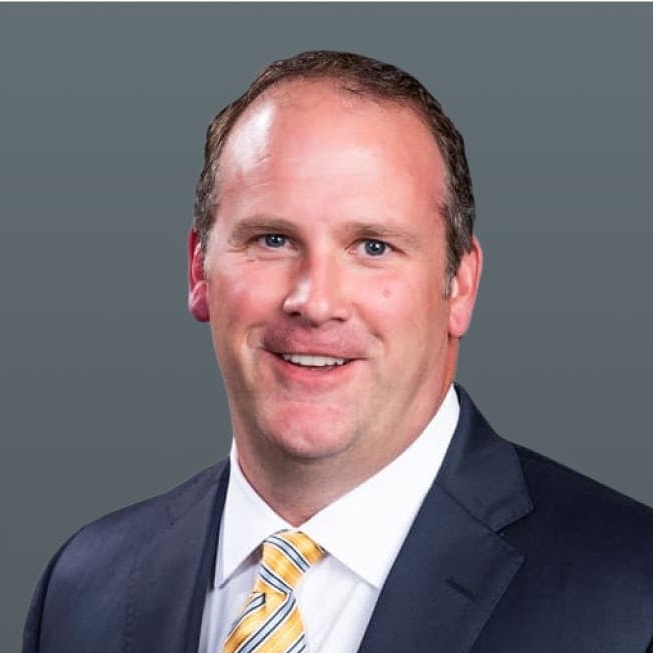
Erik Heninger
Partner at Heninger Garrison Davis, LLC in Birmingham, Alabama; trial lawyer handling medical malpractice, personal injury, trucking, and business litigation.
4
APPEARANCES
3
PODCASTS
Oct 8, 2026

Erik HeningerGUEST
How do we know when a case isn't going to work? There's a, a sense at the beginning, and I really do believe that when an attorney sits down with their client, they can pick up on what the expectations are.
Erik HeningerGUEST
And usually when you've got a client that's calling you every week wanting an update and understanding that these things now take three, four years from beginning to end, and if a client's gonna call me every week saying, "What's going on? What's going on?" The expectations are really high And I'm not gonna be able to satisfy that person.
Erik HeningerGUEST
For example, I had a meeting yesterday with a client who's got a medical negligence case.

Evan MackHOST
When, when a case does come together, you know, what tends to be the difference in your, in your experience?

Evan MackHOST
Eric, so it says, as you started looking into it, what stood out early on, anything in particular that you knew you could tackle?
Erik HeningerGUEST
So things that stood out to me early on were, one, the significance of the injury.
Erik HeningerGUEST
I didn't then have a much, much greater appreciation or understanding of the science behind that or those injuries now, what needs to happen to make sure that folks get better.

Erik HeningerGUEST
I think the, that was a vote by our peers in the community that handle medical malpractice from the defense side and from the plaintiff side.
Erik HeningerGUEST
Um, but I think you, we've got to be really selective about the cases that we take because they are so risky and they are so expensive.
Erik HeningerGUEST
Um, in, in my community here in Birmingham, the largest employer is a health system.
Erik HeningerGUEST
And so when I go to trial, if I get 40 people to come down for a venire where you pick the jury from, 30 of them are gonna be associated with the medical field in some capacity.

Zane MyersHOST
So is there, is, is there a single case during your career, um, that really kinda sticks with you?

AntoineHOST
How have you seen, you know, perhaps and how you've seen your own kind of workflow change? And what's what are some things that you use in your day to day on the AI side to help you do your job?
Erik HeningerGUEST
Within the last 12 to 18 months, it's exploded in the public, and it's also exploded here in our practice.
Erik HeningerGUEST
I think we probably use it on just about every level, from the receptionist side, intake.
8 MINS LATER
AntoineHOST
Looking forward to hearing your one, five and 10 year predictions for how AI is going to shape the legal space and maybe even more specifically the personal injury space.