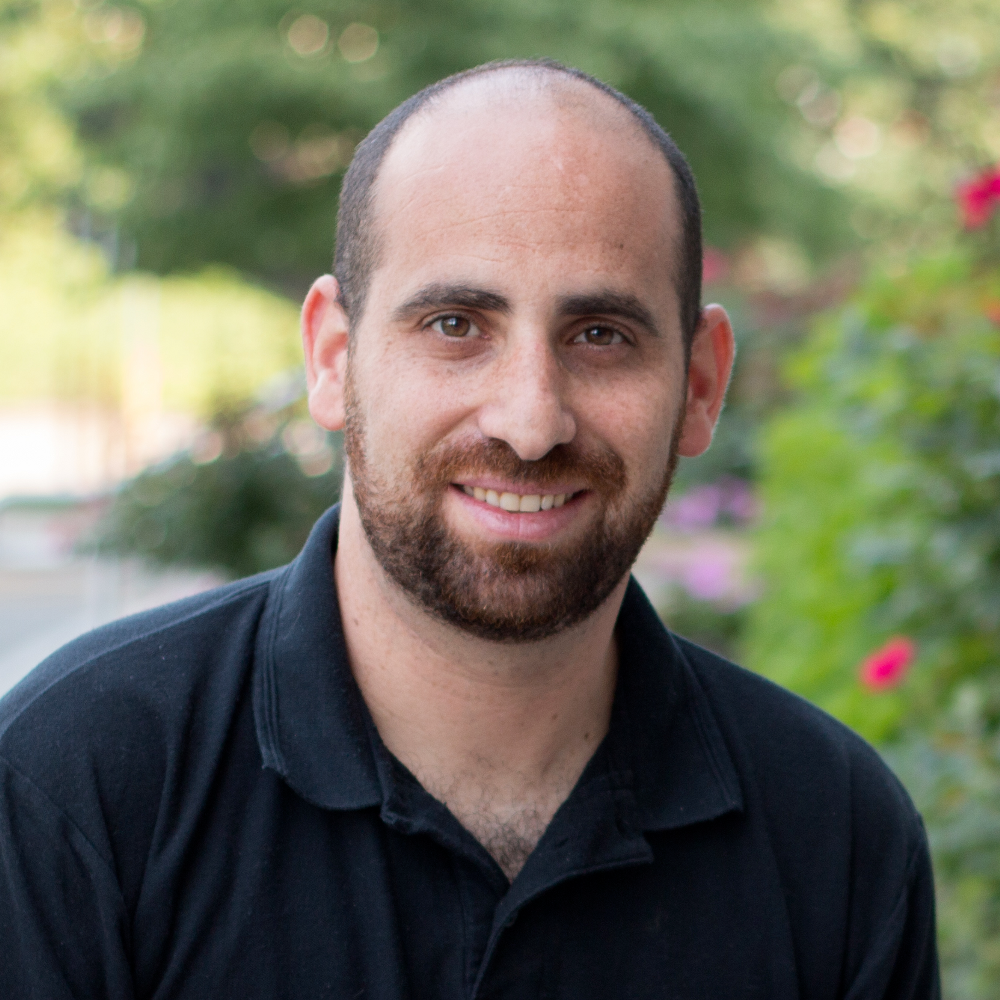
Eran Orr
2
APPEARANCES
2
PODCASTS
Aug 14, 2026


Brad CostHOST
Can you just step on that and, and talk to us a little bit about has that technology changed? Has the, has the VR changed, and what's going on today in today's case?

Eran OrrGUEST
So when we started five years ago, again, you needed a very powerful PC, a gaming PC, that only the PC cost was, like, $5,000.
Eran OrrGUEST
And today's, five years after, we're using, um, both the, mainly the Quest headset, but that Quest headset, which costs now 400 bucks, have more compute and ca- you know, compute power and capabilities that are probably 10 times better than the 5,000 computers of five years ago, including mixed reality capabilities, meaning that you put the headset on, you can actually see the room like we are talking now, and you have additional augmented reality object that you can play with, so you don't have to be fully immersed.
11 MINS LATER


WayneHOST
What were some of the biggest challenges convincing these payers, providers, and even patients that this is real medicine that works?
Eran OrrGUEST
Part of the reason why I'm here is to let people know we exist and this technology is applicable to them.
WayneHOST
but