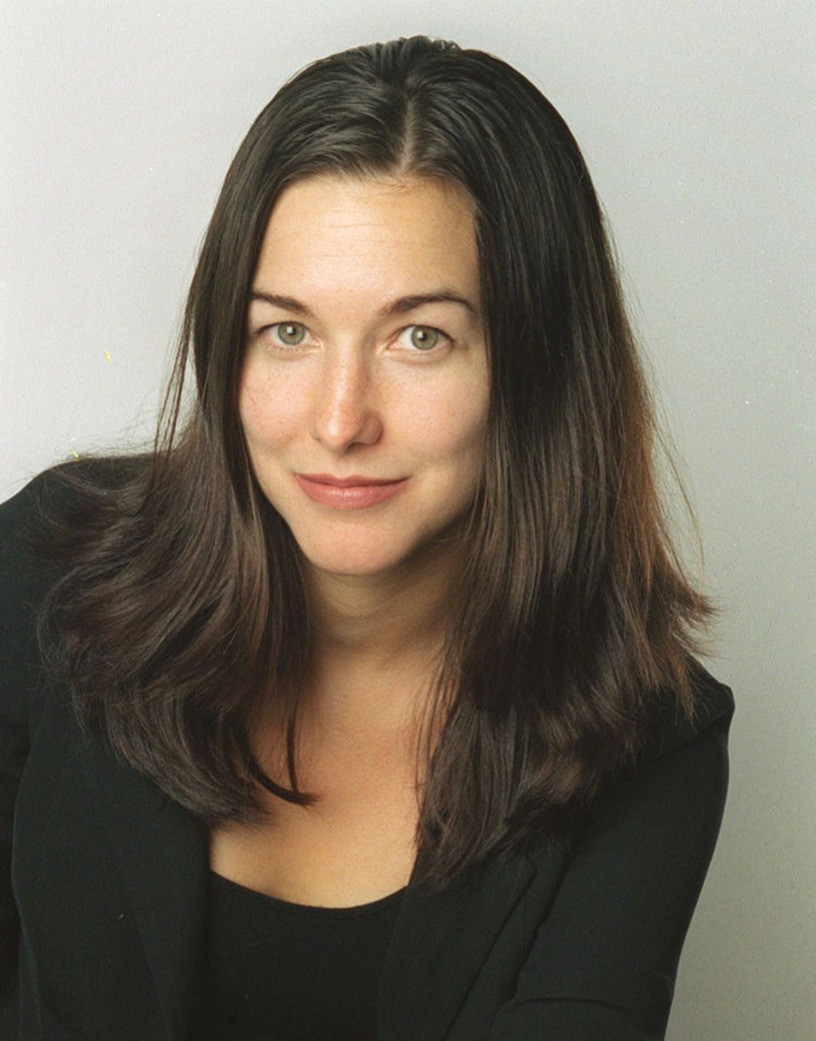
Emily Eakin
3
APPEARANCES
3
PODCASTS
Oct 2, 2026


Andrew SullivanHOST
How do you reconnect these discourses to anything called underlying reality if all that exists are discourses?

Emily EakinGUEST
I mean, that's why universalist ideas that we've inherited from the Enlightenment, ideas about sort of justice and equality, are constantly being contested, right? We can't, as a species, seem to agree on what these concepts mean.
Emily EakinGUEST
The takeaway of these French thinkers is really to understand why these concepts should be contested, why they are, because, right, we have no objective foundation on which to erect a single truth.
6 MINS LATER

Michael KovnatHOST
And then what about Michel Foucault? What would you say his major contribution was to philosophy? So we've talked
Emily EakinGUEST
And then after that book was translated into English – He got upset that people called him a structuralist, despite his emphasis on structure.
Emily EakinGUEST
And in the 70s, he became partly under the influence of his partner, who was a Maoist, Daniel Deferre.
Emily EakinGUEST
He became a real social activist, kind of inheriting the mantle of Sartre, and started looking at prisons.
21 MINS LATER
Michael KovnatHOST
Maybe you could just kind of say a little bit about some of the more public falls from grace of the theory moment.

Emily EakinGUEST
So I, too, like you, Andrew, was deeply enmeshed in the milieu of the French philosophers, as improbable as it seems in the late 80s and early 90s.
Emily EakinGUEST
And I think I was primed to be seduced by these thinkers, partly because I grew up in a family of Francophiles.
Emily EakinGUEST
My father is now a retired professor of American literature, but he was a Francophile.
Emily EakinGUEST
And we lived in Paris in the early 70s at what was really the sort of tail end of the structuralist wave.
34 MINS LATER

Andrew KeenHOST
Do you really think that Foucault saw it all, from AI to the deep state, this post-structuralist disappearance of the author that you write about? I mean, he did seem to get it, although one could also argue, and I've argued this in some of my work, that the guy who invented the internet and post-structuralism was the Argentine writer Borges.