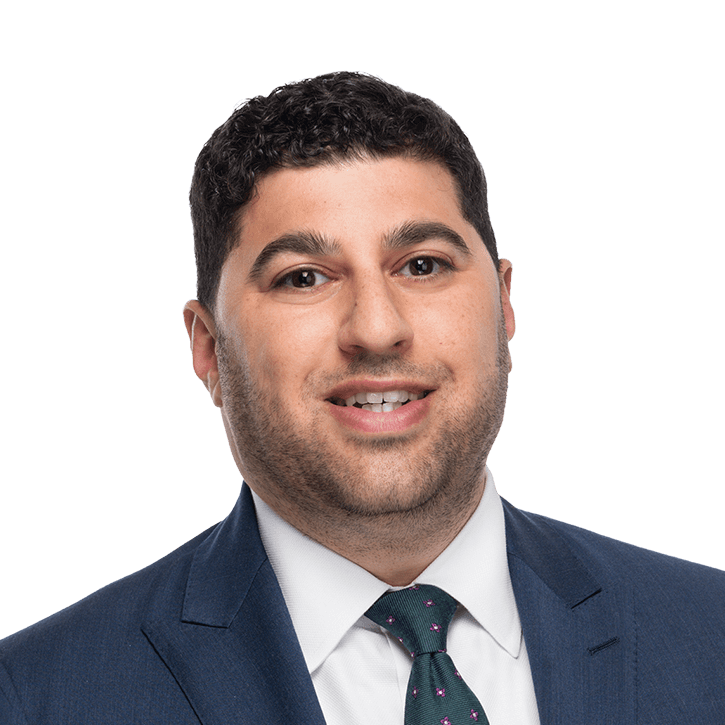
Edward Ryan
Director of Global Infectious Diseases at Massachusetts General Hospital; Professor of Medicine at Harvard Medical School and Harvard T.H. Chan School of Public Health; expert in cholera, enteric infections, and tropical medicine.
1
APPEARANCES
1
PODCASTS
Jun 10, 2026


Edward RyanGUEST
So the first was the recognition that vaccines should be part of a holistic plan to address cholera control.
Edward RyanGUEST
And the good news in two thousand and ten to thirteen range was that there was already a cholera vaccine that had been developed, an oral cholera vaccine, that was comprised of killed organisms that people could ingest.
Edward RyanGUEST
So the first was moving it into larger scale production and increasing the quantity of the vaccine.
Edward RyanGUEST
In about two thousand and thirteen or so, approximately five million dosages of the vaccine were available or could be made on an annual basis.
7:04
And then getting back to clean water and sanitary options, what strategies do you see that could help expand those options around the world, including for the people in the informal settlement areas that you talked about?