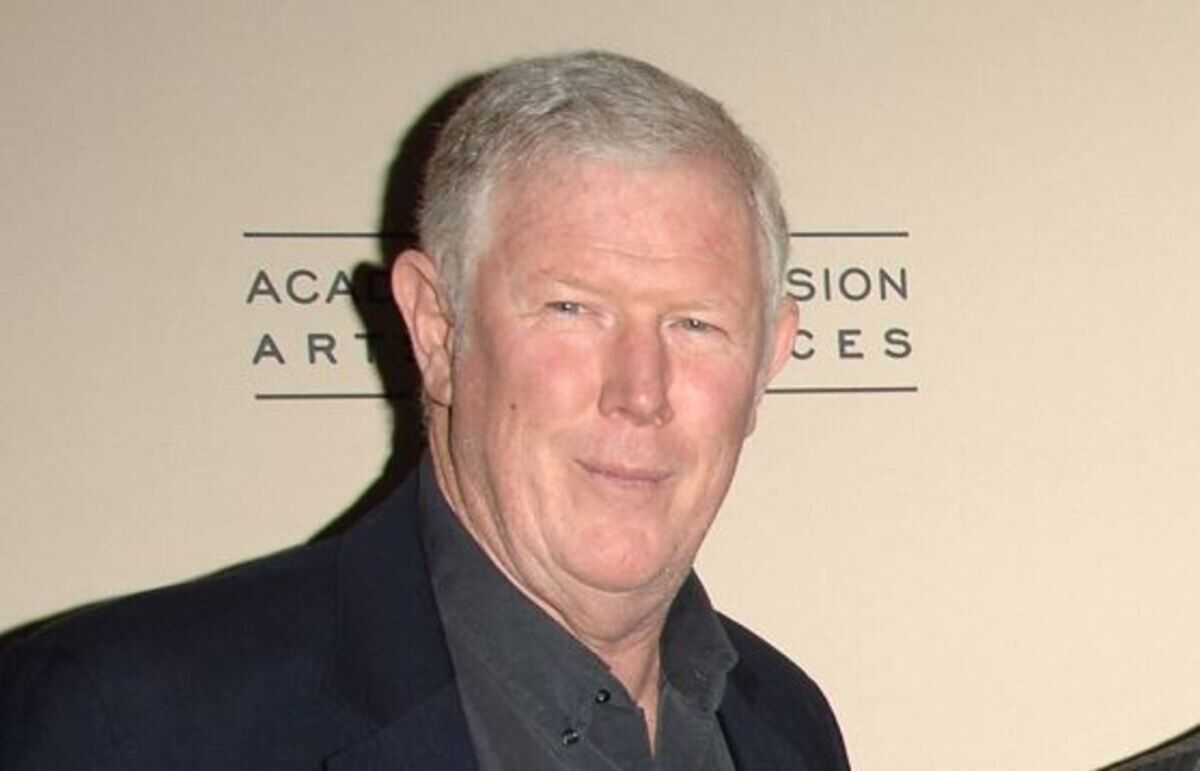
Ed Burns
American screenwriter and television producer
11
APPEARANCES
11
PODCASTS
Oct 5, 2026


Ed BurnsGUEST
Um, when I finished writing the first novel and finally finished editing it, I probably had 150 pages left over, and then I reread those and from that there were about 50 pages where I, I thought was, uh, the making of the second book.
Ed BurnsGUEST
But the real reason was I so love the w- the process of writing prose versus screenplays that I wanted to get at it again.
Ed BurnsGUEST
And I thought, "Oh, I can, I can take this kid and his family and continue the journey." So now this is number two of a trilogy.

Ed BurnsGUEST
Um, you know, there's a number of stories in the book that, uh, I pulled from my life, but, you know, all of the characters are composites of different people I've known.

Hoda KotbADVERTISER
[laughs]
Ed BurnsGUEST
Instead they tell me they wanna submit it to, like, a, uh, the Catholic Daughters of America poetry contest on Long Island.

Ed BurnsGUEST
... and she didn't tell me who I'd be meeting, but she basically said, "Oh, so my, friends of mine are in New York.
Ed BurnsGUEST
Uh, you know, why don't you come by the apartment later on? I'd love for you to meet them." Open the apartment door, and it's Bono and Edge.

Michael AzevedoHOST
Does family feel like a story that is only or a story topic that is almost endless and possibility for you?
Ed BurnsGUEST
You know, that question's come up as to why do I keep going back to that? And I really I don't have a good answer.
Ed BurnsGUEST
You know what I mean? It's I think about the I think part of it is, you know, the films that I was attracted to in film school, they were just smaller stories.
Ed BurnsGUEST
You know, there are two movies based on Larry McMurtry novels or one short story, The Last Picture Show and HUD.
18 MINS LATER
speaker_3UNKNOWN
Yeah.

Ed BurnsGUEST
So, you know, the title comes from a line in Penny Lane, Beneath the Blue Suburban Skies.
Ed BurnsGUEST
But in our case, it's an ironic title because it takes a look at a working class family that the American dream or the promise of the American dream or better tomorrow seems to have passed them by.
Ed BurnsGUEST
And, you know, it really stemmed from a conversation I had with a friend who told me about his buddy whose wife had said that she was embarrassed of her adult children when they moved back home with the family.
Ed BurnsGUEST
And like so many, you know, young people today, uh, who, who haven't found their way, right.

Kim CarriganHOST
Well, What do film festivals like Boston mean to a filmmaker like you making a smaller film like this?


23 MINS LATER
LacunaHOST
We've had some answers from Nathan's family.


Derek BelchHOST
Just give us that like filmmaking 101 to start here, because you you you do everything in the majority of these films.
Ed BurnsGUEST
I think the easiest way to sort of talk through that is I'll talk about sort of that first experience making the first film and then kind of, you know, how things changed as I moved on, right? So in the early 90s, there was a beginning of a movement in the American independent film scene where...
Ed BurnsGUEST
And that was sort of your calling card to try and then get Hollywood to hire you as either a writer or a director.
Ed BurnsGUEST
What started to happen maybe late 80s, and there's, you know, Jim Jarmusch, Spike Lee's She's Gotta Have It, Soderbergh, Sex, Lies, and Videotape.
31 MINS LATER
Derek BelchHOST
So I'm actually curious, like when you think about the business of going out and making a movie, like why, why golf? What, what made you think I can do that and do it well enough to like make this a profitable endeavor? Just kind of curious on that

Ed BurnsGUEST
And, you know, anytime I'm writing a screenplay, very rarely do I have one idea that, oh, this is the story I want to tell.
14 MINS LATER

Ann LiguoriHOST
I mean, how long did it really take to get some of those those really good shots filmed?


Ed BurnsGUEST
And I wasn't familiar with sort of, because this is early when I'm playing, the spiritual side of the game.
Ed BurnsGUEST
And you know, when people talk about that, something special sometimes happens out on the golf course that I, you know, uh, I can't quite articulate.
Ed BurnsGUEST
Um, you know, you play music, right? So like when you're with a band and you kinda drop into the pocket, and there's an unspoken language happening between you, that happened.
Ed BurnsGUEST
And like we're just, we just kinda walked up to the green and, and you know, I could just feel the three of us in something.
16 MINS LATER

AmeliaHOST
That's good.
Ed BurnsGUEST
But, um, you know, we have that first conversation about the part, and had some thoughts and talking it through, and then we kinda laughed about the fact that we both, you know, we live...
Ed BurnsGUEST
And then I hung up, and I told my wife, I was like, "Oh, I think I'm gonna be buds with this guy." [laughs]
5 MINS LATER
AmeliaHOST
Okay.
Ed BurnsGUEST
It's called A Kid from Marlborough Road, and it's a novel about a kid in the summer of 1980.


Ed BurnsGUEST
So if you run 100 or 150 trucks, you may not know how to get into an enterprise shipper.
5 MINS LATER


David SimonHOST
Ed, what were the, uh, fundamental themes of the season that you wanted to try to convey?
Ed BurnsGUEST
We've established the first three seasons who the guys are on the corner, and this season was to look where they came from.
Ed BurnsGUEST
Every classroom has a unique mix of kids and, but they sort of all define themselves eventually in the end.
Ed BurnsGUEST
And we picked four of those stereotypical-type characters and brought them together in this little team, and then we watched them in this first, uh, episode as children.
David SimonHOST
Did the, the kids that you sort of conceived of, did they represent anyone in particular in your teaching experience?