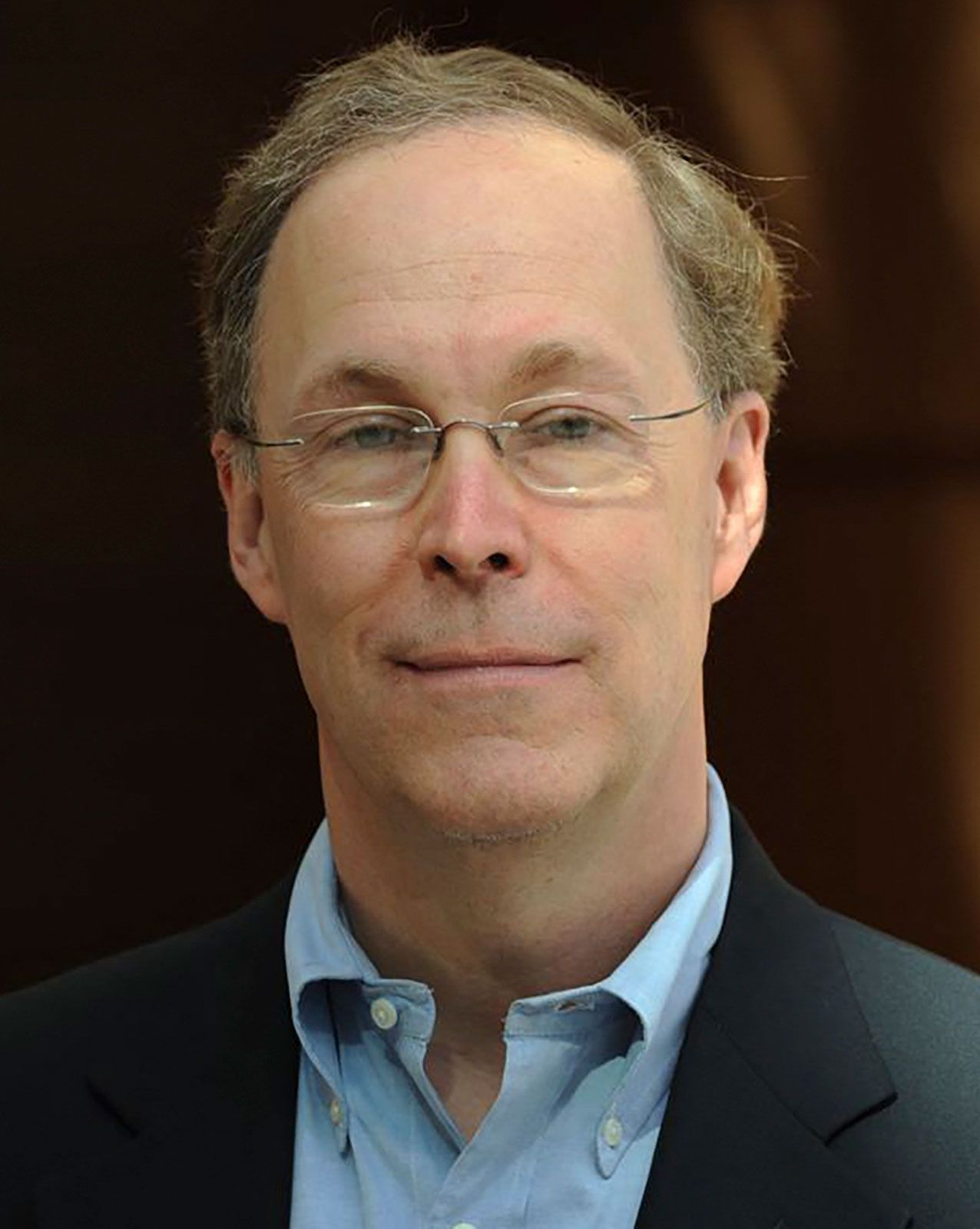
Douglas Diamond
American economist
1
APPEARANCES
1
PODCASTS
Apr 30, 2026


Douglas DiamondGUEST
So since I thought it was quite possible interest rates would need to go above 2%, that was my point, is that essentially all of the work in supervision and regulation has been thinking about making sure banks were robust to interest rate decreases, when if you just listened to what the Fed was saying, it was clear interest rate increases were coming.
Douglas DiamondGUEST
And it struck me that there was sort of a disconnect between the monetary policy part of Fed, the Fed, that wanted people to ex- to, to anticipate future interest rate increases, which would pr- keep inflation expectations in the future from getting too large, and the supervision and regulation part of the Fed that was really not worrying about interest rate increases.
Douglas DiamondGUEST
So there's sort of like what's sometimes called a Chinese wall between the two parts of the Fed, the do- the part that does supervision and the part that does monetary policy.
Douglas DiamondGUEST
It was public information that monetary policy was gonna increase interest rates.
Douglas DiamondGUEST
And then it seemed like the Fed had also been trying to convince the market that interest rates were not gonna go up before this period.
20 MINS LATER

Paul RandHOST
And if there's things that folks are taking away from this conversation about limiting that severity and what we should be thinking about keeping an eye on, advocating for, um, what is that?