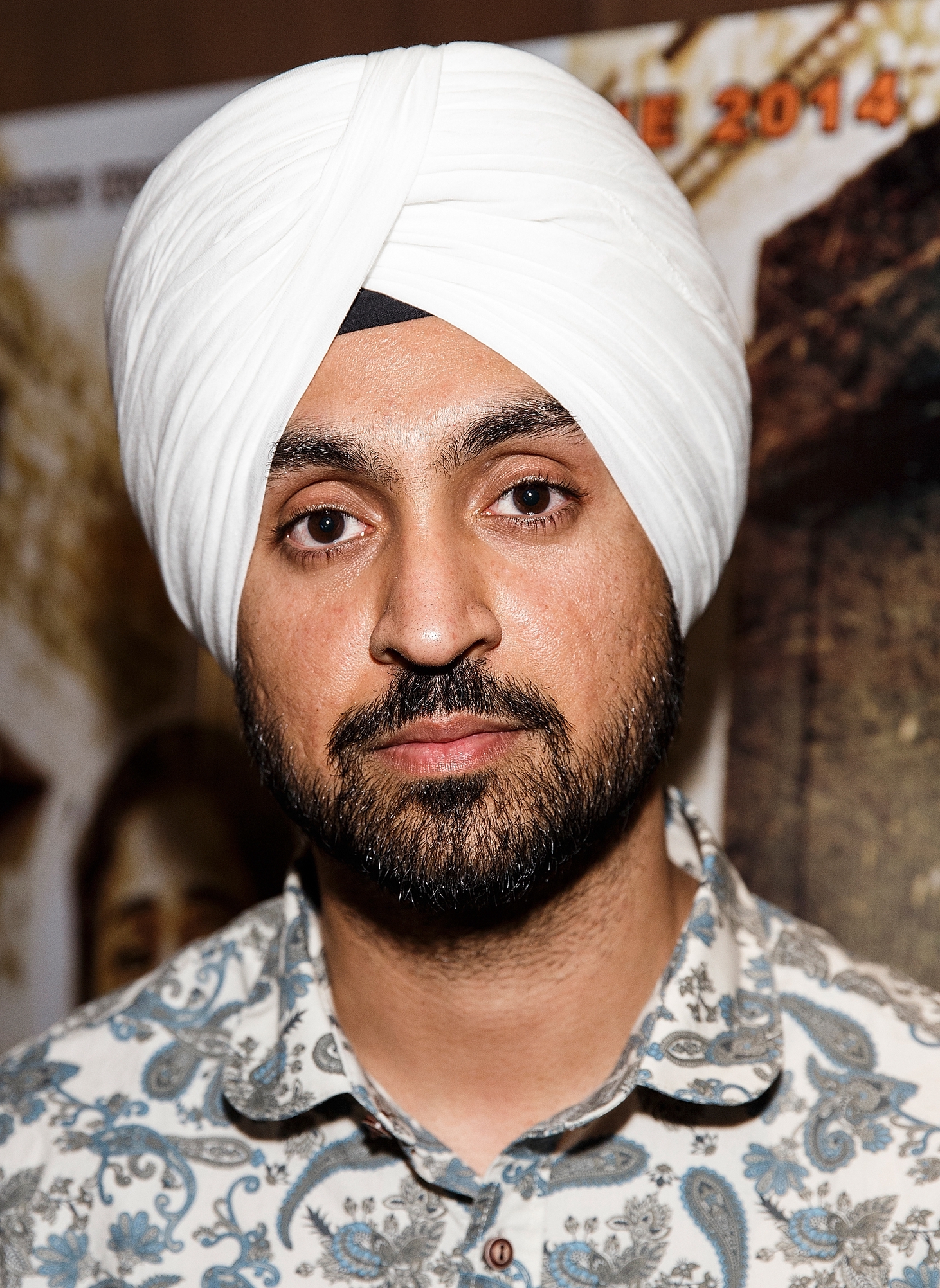
Diljeet Singh
Integrative gynecologic oncologist and president of Physicians for a National Health Program (PNHP), advocating for Medicare for All.
4
APPEARANCES
4
PODCASTS
Oct 26, 2026

Brenda GazarHOST
Moral injury is often confused with physician burnout, but Dr. Singh says there's an important distinction.

Diljeet SinghGUEST
If the thing that's getting you so angry at the system is not being able to give people the care they need, that's very different from, I just don't have time to sleep, I don't have time to eat, I don't have time to think.
Diljeet SinghGUEST
And I'm just feeling like my patients are making me crazy because they just keep asking more of me than I can physically give.
Diljeet SinghGUEST
But the important thing to me about moral distress and moral injury is it's not about the individual health care professional.
6 MINS LATER
Brenda GazarHOST
And yet, she says, it's not the suffering inherent in medicine that troubles her the most.

Diljeet SinghGUEST
Like when I was a new, fresh GYN oncologist, We used to work so hard to the second that somebody had a cancer diagnosis, like get them to treatment.
Diljeet SinghGUEST
And the concept was there was research, not in GYN-ONC at the time, although there has been since, but at the time it was clear from breast cancer care and colon cancer care that the time from diagnosis to treatment had impact on cure and survival.
Stefan KerteszHOST
What's in the survey that you used to measure moral distress or moral injury? What's in it?

Scott HarrisHOST
Dr. Singh, what models are out there that you think the United States could follow and maybe not a carbon copy, but what are some of the models that you think are successful that we could take some lessons from?
Diljeet SinghGUEST
The Canada does it one way, the UK does it another, Japan, Australia, all these countries.


Diljeet SinghGUEST
somewhere between 30 and 45 cents of every single healthcare dollar is wasted on something that is not healthcare, what would it be wasted on? Well, a big part of it is profit for those middlemen, those insurance companies, those pharmacy benefit managers, those people who stand between us and our healthcare.
Diljeet SinghGUEST
There's the administration that comes from, well, if it's Blue Cross Blue Shield, this is what we do.
Diljeet SinghGUEST
And, well, you know, I'm not in my home state, so what does it mean when I'm here in Michigan instead of Washington, D.C., et cetera? So we eliminate all that waste.
Diljeet SinghGUEST
And it's very clear the Congressional Budget Office, nonpartisan organizations have done the research.
Diljeet SinghGUEST
We have the money in our system right now to not only cover everybody, but give everybody vision care, right? How do we decide eyes aren't part of vision? Basic health care to give everybody dental.

Scott HarrisHOST
From where you sit, are you hearing from your PNHP member physicians that there is a surge of support for policies like Medicare for All this year?