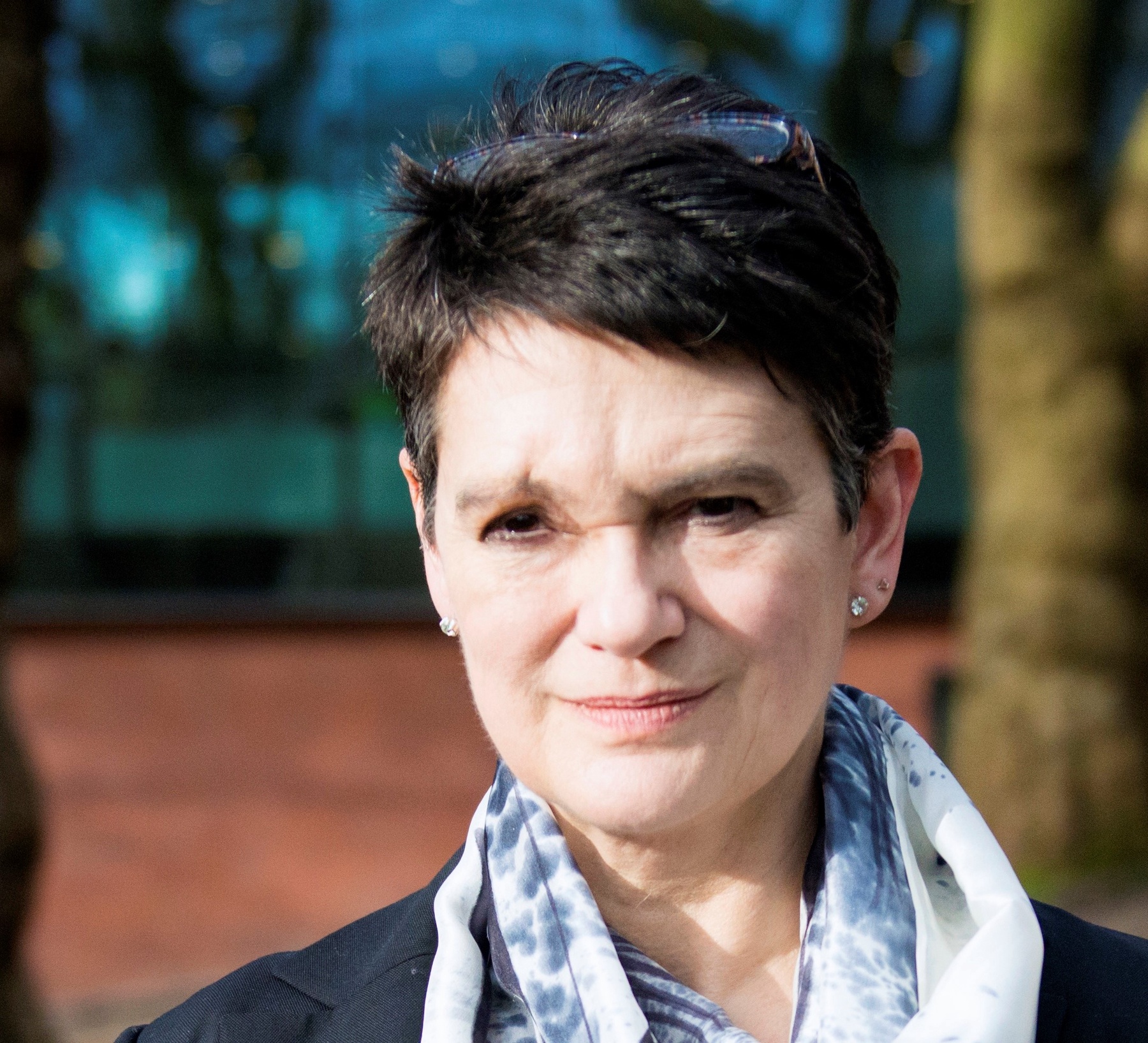
Diane Coyle
British economist
6
APPEARANCES
6
PODCASTS
Oct 26, 2026

Ben ChuHOST
Are people therefore making a mistake when they just look at growth as GDP? They should think about it in that broader sense, which you've just described.

Diane CoyleGUEST
I think ideally we would think about it in the broad sense, including things that are not easy to measure.
Diane CoyleGUEST
People's sense of identity, belonging in the place they live or the joy they take in the natural environment around them.
Diane CoyleGUEST
over obsess on the measurement and on the specific definition of measurement as well.
Diane CoyleGUEST
I suppose that's inevitable because it's an easy signal for politicians to look at and for people to understand and hold their political masters to account.
Diane CoyleGUEST
But I do think we pay too much attention to that and not enough to other things that matter but are harder to measure.
33 MINS LATER


Ben AnsellHOST
Given that a lot of these services jobs were previously part of manufacturing, is the difference between the two sectors really that clear-cut? One of the UK's leading economists, Professor Diane Coyle of the Bennett School of Public Policy at the University of Cambridge, told me that we need to stop thinking about them in isolation.
Diane CoyleGUEST
The distinction between manufacturing and services is historical, because obviously in the post-war era when the economic statistics were set up, we had a much more manufacturing-based economy.
Diane CoyleGUEST
And there's a difference in the sense that manufacturing involves the transformation of material, so it's got a physical element to it.
Diane CoyleGUEST
Having said that, I think the distinction is really unhelpful in thinking about the modern economy, which is now, as a share of GDP, 80% services, and so we lump everything together really in that services category, and we don't have a good understanding of how the manufacturing activities and different kinds of service activities relate to each other, and it's hard from the statistics to tell which bits of the economy are actually generating growth and good jobs.
Ben AnsellHOST
jobs.And she says that there's a type of business that makes things but also provides a service to its customers.
Diane CoyleGUEST
In the economic literature, there's a jargon term for manufacturing companies that provide services well, and that's servitization.
Diane CoyleGUEST
But you can see how widespread it is by looking at the fact that companies are often selling solutions.
Diane CoyleGUEST
One example would be, I've seen adverts for office furniture solutions, and they're not just selling you office furniture, the desks and the chairs.


Bart van ArkHOST
Yeah, that's one of those threats that sort of explained this sort of, in this case, negative singularity kind of outcome that might come from that.
Diane CoyleGUEST
There is the question about all the additional investments that companies need to make.
Diane CoyleGUEST
And there was a ton of research in the previous digital wave that showed that those investments actually dwarf the investments in the technology itself.
Diane CoyleGUEST
One thing that is just coming into focus, surprisingly, is actually the cost of using the systems.
17 MINS LATER
Bart van ArkHOST
So, Diane, are you convinced already or are you still on the fence when it comes to the IMI nature of GenAI?

Peter MartinHOST
Can you take us back to the original ideas of the people who developed the concept of GDP in the United States and in Britain in the nineteen thirties?
Diane CoyleGUEST
The, um, concept was, uh, down to [clears throat] Keynes, the famous economist, who was working with the UK Treasury during the Second World War and was frustrated because there weren't any figures that told him how the economy as a whole was doing, what its speed limit was, and what kind of consumption sacrifices would be tolerable during wartime to free up resources for the war effort.
Diane CoyleGUEST
And so he inspired what, uh, became the number we know as gross national product, then gross domestic product.
Diane CoyleGUEST
And there was a considerable debate at the time among economists about whether or not to include government spending, including on defense, in the number.
Diane CoyleGUEST
And they ended up doing so because they did not want the war effort to look like it was reducing the economy, although in some sense, it obviously was.
19 MINS LATER

Lizzie BurdenCORRESPONDENT
Diane Coyle is Professor of Public Policy at the University of Cambridge and a former advisor to the UK Treasury.
Diane CoyleGUEST
And the problem about that is that if you want to raise economic growth nationally and improve people's living standards around the whole country, that growth is not going to all come from London or from places like Cambridge, where I'm sitting now.
Diane CoyleGUEST
You know, obviously, it's fantastic that we've got these extremely high value, rapidly growing cities in the southeast of the country.


Diane CoyleGUEST
So just as any company would have a balance sheet to reflect its sustainable financial health, as well as a profit and loss account, I argue that countries need the same.
Diane CoyleGUEST
And in economics jargon, this is often called comprehensive wealth, sometimes inclusive wealth.
Diane CoyleGUEST
But the idea is essentially that if you're interested not just in growth this year, but over future years, then you need to understand the assets that are enabling the economy to generate that growth in the future.
Diane CoyleGUEST
That would include absolutely conventional ones such as infrastructure or capital assets that companies operate, but also human capital.
6 MINS LATER