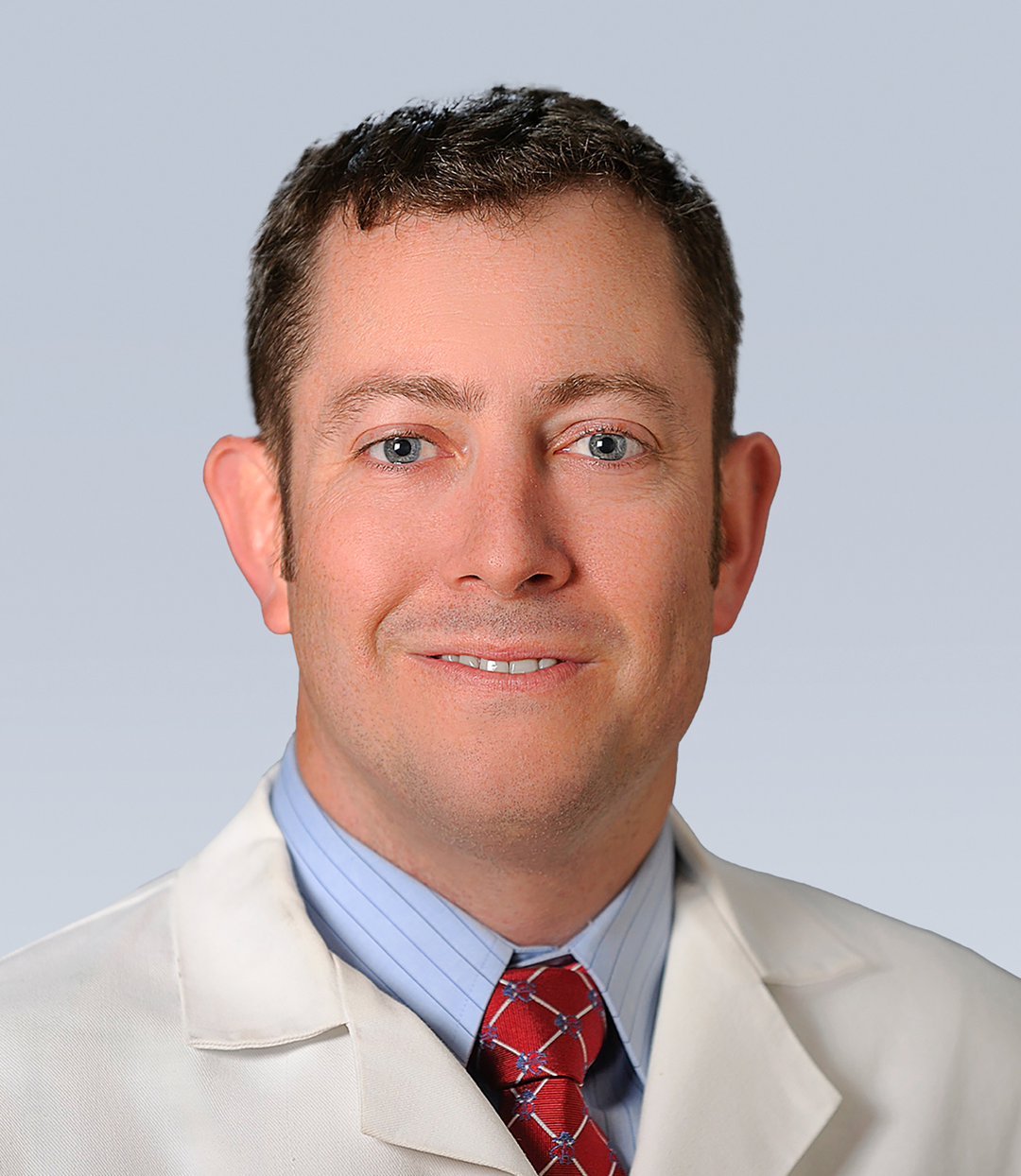
Derek Donegan
Orthopedic trauma surgeon and Associate Professor at the University of Pennsylvania; co-founder of ORtelligence and Executive Director & CMO of Flxion Medical.
2
APPEARANCES
2
PODCASTS
Sep 21, 2026


Dan DworkisHOST
Can you describe the difference between the setup for and maybe execution of what somebody would do if they're, say, replacing a knee in an elective surgery versus if they're doing a femur repair in somebody that was hit by a car?

Derek DoneganGUEST
Technically doing hip and knee replacements can be very technically challenged and our surgeons that spend time becoming experts for that are truly gifted.
Derek DoneganGUEST
But when you look at doing an elective total hip or total knee replacement, it's planned.
Derek DoneganGUEST
You meet the patient in the office, you diagnose him with, say, knee arthritis, and they failed conservative treatment.
Derek DoneganGUEST
And the decision is to proceed with surgical intervention in the form of a total knee replacement.
Dan DworkisHOST
Because I think there's an underlying question there about in general, how do you train people to work in the text environments that you work in where you have to love some of that chaos to really get it done?

Dan DworkisHOST
Can you describe the difference between the setup for and maybe execution of what somebody would do if they're, say, replacing a knee in an elective surgery versus if they're doing a femur repair on somebody that was hit by a car?
Derek DoneganGUEST
Technically, doing hip and knee replacements is-- can be very technically challenged and our surgeons that spend time becoming experts for that are truly gifted.
Derek DoneganGUEST
But when you look at doing a, an elective total hip or total knee replacement, it's planned, right? You meet the patient in the office, you diagnose them with, say, knee arthritis, and they've failed conservative treatment, and the decision is to proceed with surgical intervention in the form of a total knee replacement.
Derek DoneganGUEST
That person is then booked for surgery usually four to six weeks out, maybe even longer.
Derek DoneganGUEST
And in that time period, that patient is able to become medically optimized as well.
Dan DworkisHOST
I wanna wake up and have 10 things and not know what they are, and wanna work on somebody that's not optimized, wanna be in the, the mess of it," versus, "You know what? I actually want to be the world's best at performing, like, left ACL repairs, and I wanna be, like, so good at that, that I wanna control all the variables and make optimal really within my grasp." And how does that work, right? Like, how do you produce one pipeline that-- Are you bringing both of those people in preformed, and then they know from the time they hit the door that they're gonna go left or right? Or are you seeing people that all come in, and then somewhere along the way, they catch a spark and they're like, "Ah, I really wanna go this way"? 'Cause I think there's an underlying question there about, in general, how do you train people to work in the types of environments that you work in, where y- you have to love some of that chaos to really get it done?