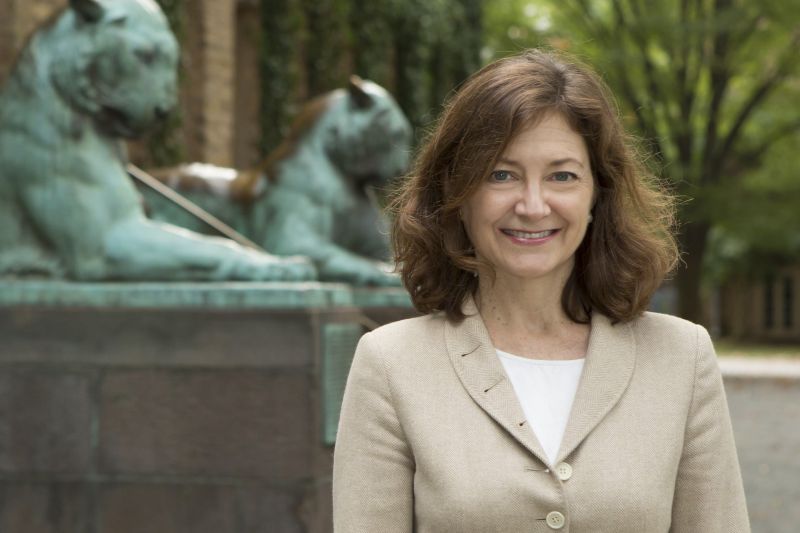
Deborah Prentice
Vice-chancellor of the University of Cambridge
1
APPEARANCES
1
PODCASTS
Oct 12, 2026


Rob WillerGUEST
Uh, Kretch and Crutchfield, these earlier, early pluralistic ignorance researchers, described it as a situation where no one believes, but everyone thinks that everyone believes.

Deborah PrenticeGUEST
A famous example is, uh, the situation when, um, uh, that, uh, it's very often experienced among bystanders, um, in emergency situations, where each individual bystander, um, thinks that they're the only ones who, who...
Deborah PrenticeGUEST
They think that everybody else is acting out of confidence and certainty, whereas they themselves, um, are, um, are feeling uncertain and unsure.
Deborah PrenticeGUEST
Um, that's why that is, that, that- Um, misinterpretation, if you will, is the reason why bystanders are so unlikely to act in cases of emergencies.
Deborah PrenticeGUEST
It's because they assume that other people are not acting, are not taking action because they know that it's, it wouldn't be appropriate or it wouldn't be needed or it wouldn't be right to take action, uh, whereas they themselves are uncertain and confused.
Deborah PrenticeGUEST
Um, so it's a-- you're, you're, you're behaving the same way as another person, but you're feeling differently about it.
12 MINS LATER

David McRaneyHOST
But if you ask a social scientist about pluralistic ignorance, they will usually bring up the work of Deborah Prentice, who in the nineteen nineties, along with her colleague Dale Miller, investigated the impact of this phenomenon on drinking behavior, specifically at Princeton, which at the time held these class reunions, which held the record for the second highest level of alcohol consumption for any event in the United States other than the Indianapolis Five Hundred.