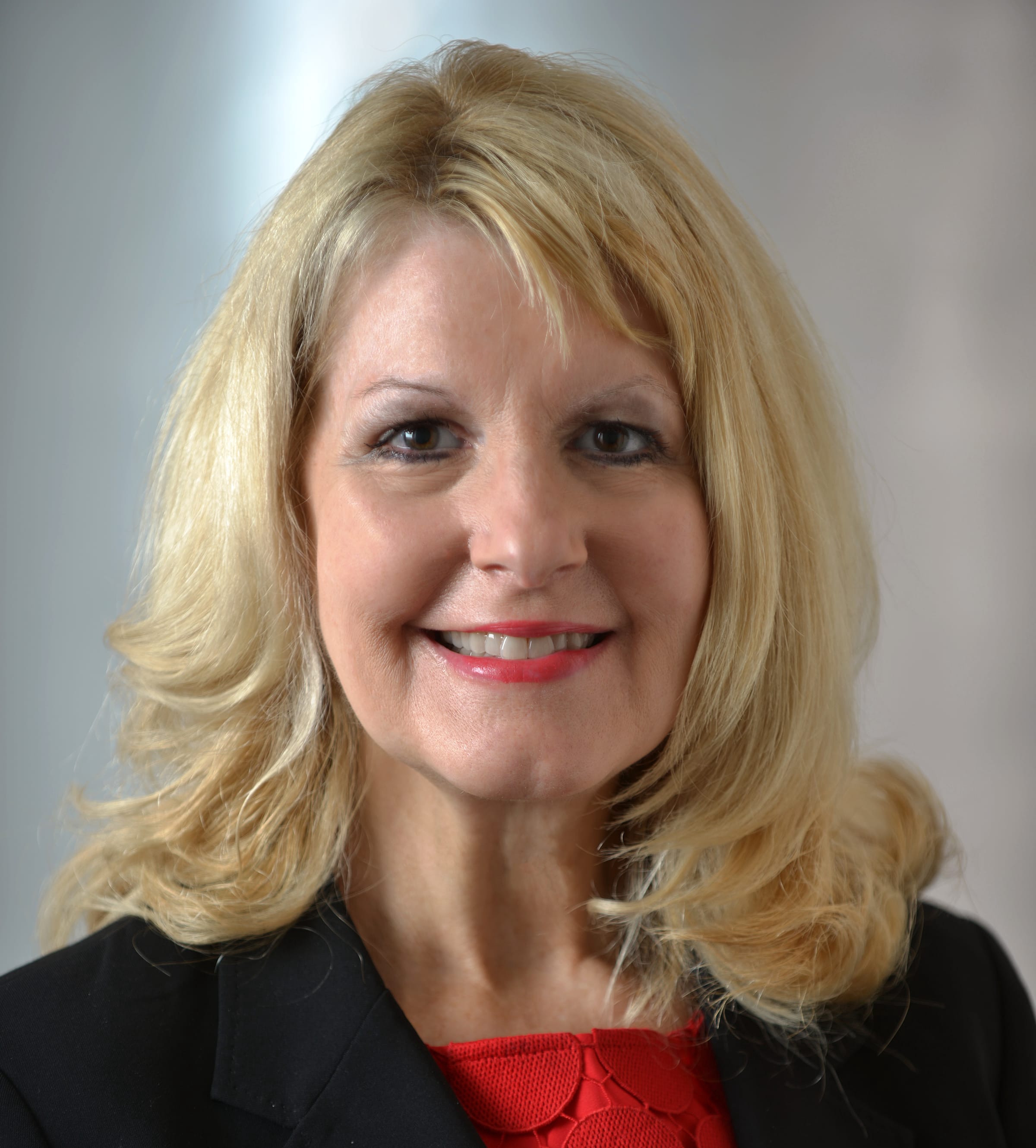
Deb Muro
Chief Information Officer at El Camino Health with 25+ years of healthcare IT experience.
5
APPEARANCES
3
PODCASTS
Jul 14, 2026

Laura DyrdaHOST
So could you tell me a little bit about some of the efforts that you're, uh, put through there? How did you, um, kind of design the, the technology as well as workflows, a- and what does it take in order to transform an organization to become more accessible, um, and serve patients in, uh, an elevated way?

Deb MuroGUEST
You know, our big focus was: how do we focus all of our efforts on the patient? So how do we help a physician focus on the patient? How do when the patient comes to us that we move them quickly through, uh, through the, their journey? And how do we make sure at the end of the day they know what the next step is in their care? So what we focused on this last year is we've obviously implemented ambient listening, where the pa- the physician can focus on the discussion with the patient and not on, you know, the documentation while the patient is with them, and that's been life-changing for, for physicians and for clinicians, and we're excited to grow that even beyond into our inpatient settings with, um, with our nurses and, and other clinicians.
Deb MuroGUEST
And then we've used quite a bit of AI in imaging so that not only are we identifying what is the issue with the, with the current X-ray, but we're also finding incidental findings, things that are i- that the AI identified That then we can treat the patient for that was not the re- part of the original problem that they came to us for, which I think for patients is such a great experience to be predictive, forward-thinking, helping them, and and it also is great for our organization too, to be able to doing things in a planful way, not waiting till a patient is in a, an emergency situation.
Deb MuroGUEST
We've also re- revolutionized our OR block utilization so that we can fill our ORs and make them very efficient and help surgeons, uh, find the, the time that they need for their surgeries, and that has actually brought tremendous revenue to our organization.
Deb MuroGUEST
And then we brought in some technology to help us personalize the appointment scheduling process so that the patient can see many options for them.
9 MINS LATER
Laura DyrdaHOST
Now, before we wrap up, I, I wanted to know what are you most curious about for the future? What's top of mind? Uh, are you excited about, nervous about? How are you thinking about, you know, technology and change moving forward?
Laura DierdoffHOST
So could you tell me a little bit about some of the efforts that you're, uh, put through there? How did you, um, kind of design the, the technology as well as workflows, a- and what does it take in order to transform an organization to become more accessible, um, and, and serve patients in, uh, an elevated way?
Deb MuroGUEST
You know, our big focus was how do we focus all of our efforts on the patient? So how do we help a physician focus on the patient? How do when the patient comes to us that we move them quickly through, uh, through the, their journey? And how do we make sure at the end of the day they know what the next step is in their care? So what we focused on this last year is we've obviously implemented ambient listening, where the pa- the physician can focus on the discussion with the patient and not on, you know, the documentation while the patient is with them.
Deb MuroGUEST
And that's been life-changing for, for physicians and for clinicians, and we're excited to grow that even beyond into our inpatient settings with, um, with our nurses and, and other clinicians.
Deb MuroGUEST
And then we've used quite a bit of AI in imaging so that not only are we identifying what is the issue with the, with the current X-ray, but we're also finding incidental findings, things that are i- that the AI identified- That then we can treat the patient for that was not the or- part of the original problem that they came to us for, which I think for patients is such a great experience to be predictive, forward-thinking, helping them, and and it also is great for our organization, too, to be able to doing things in a planful way, not waiting till a patient is in a- an emergency situation.
Deb MuroGUEST
We've also re- revolutionized our OR block utilization so that we can fill our ORs and make them very efficient and help surgeons, uh, find the, the time that they need for their surgeries, and that has actually brought tremendous revenue to our organization.
Deb MuroGUEST
And then we brought in some technology to help us personalize the appointment scheduling process so that the patient can see many options for them.
9 MINS LATER
Laura DierdoffHOST
Now, before we wrap up, I, I wanted to know, what are you most curious about for the future? What's top of mind? Uh, are you excited about, nervous about? How are you thinking about, you know, technology and change moving forward?

Laura DiertaHOST
So could you tell me a little bit about some of the efforts that you're, uh, put through there? How did you, um, kind of design the, the technology as well as workflows, a- and what does it take in order to transform an organization to become more accessible, um, a- and serve patients in, uh, an elevated way?
Deb MuroGUEST
You know, our big focus was: How do we focus all of our efforts on the patient? So how do we help a physician focus on the patient? How do, when the patient comes to us, that we move them quickly through, uh, through the, their journey? And how do we make sure at the end of the day they know what the next step is in their care? So what we focused on this last year is we've obviously implemented ambient listening, where the pa- the physician can focus on the discussion with the patient and not on, you know, the documentation while the patient is with them, and that's been life-changing for, for physicians and for clinicians, and we're excited to grow that even beyond into our inpatient settings with, um, with our nurses and, and other clinicians.
Deb MuroGUEST
And then we've used quite a bit of AI in imaging so that not only are we identifying what is the issue with the, with the current X-ray, but we're also finding incidental findings, things that are i- that the AI identified That then we can treat the patient for that was not the re- part of the original problem that they came to us for, which I think for patients is such a great experience to be predictive, forward-thinking, helping them, and and it also is great for our organization too, to be able to doing things in a planful way, not waiting till a patient is in a, an emergency situation.
Deb MuroGUEST
We've also re- revolutionized our OR block utilization so that we can fill our ORs and make them very efficient and help surgeons, uh, find the, the time that they need for their surgeries, and that has actually brought tremendous revenue to our organization.
Deb MuroGUEST
And then we brought in some technology to help us personalize the appointment scheduling process so that the patient can see many options for them.
9 MINS LATER
Laura DiertaHOST
Now, before we wrap up, I, I wanted to know, what are you most curious about for the future? What's top of mind? Uh, are you excited about, nervous about? How are you thinking about, you know, technology and change moving forward?

Laura DiertaHOST
Now, I'm curious, what are the most powerful forces that you're seeing shape the digital health and IT landscape for your organization right now? And how do you see them evolving in the next year or so?
Deb MuroGUEST
Maybe that's two words, but I love the fact that, you know, you coined that phrase.
Deb MuroGUEST
You know, what I'm seeing in the industry is really a move for healthcare to become more retail-like in the way that we approach those that we serve.
Deb MuroGUEST
And so as the industry, and I would say the world has gotten to be much more immediate with getting needs met.
Laura DiertaHOST
So what are some of the trends that you're seeing within that multi-generational preferences? How do you see different people emerging with different ways they want to experience the healthcare system?
Laura DyrdaHOST
So what are some of the trends that you're seeing within that multi-generational preferences? How do you see different people, um, emerging with different ways they wanna experience the healthcare system?
Deb MuroGUEST
And, you know, it, there's been this thinking that, well, patients really want to see the same provider or the same physician, and they will wait, you know, a matter of weeks for appointment to be scheduled according to the physician's availability.
Deb MuroGUEST
And, you know, that may work for a certain generation or a certain type of patient.
Deb MuroGUEST
But what we're seeing is, as we're seeing different generations evolving, that really individuals don't care as much often if they see the same physician, but they do care about being seen today, sometimes at their lunch break.
Deb MuroGUEST
And so with our new scheduling platform, we've, we've really tried to tailor that to the, to identify the patient preferences and provide those for the patient.
Deb MuroGUEST
For instance, if a patient has a problem, they can type in the problem, and then we will present to them various options.
Laura DyrdaHOST
Um, I'm curious now if we're looking ahead a bit, what's the next most important problem that you're trying to solve with AI and technology right now?