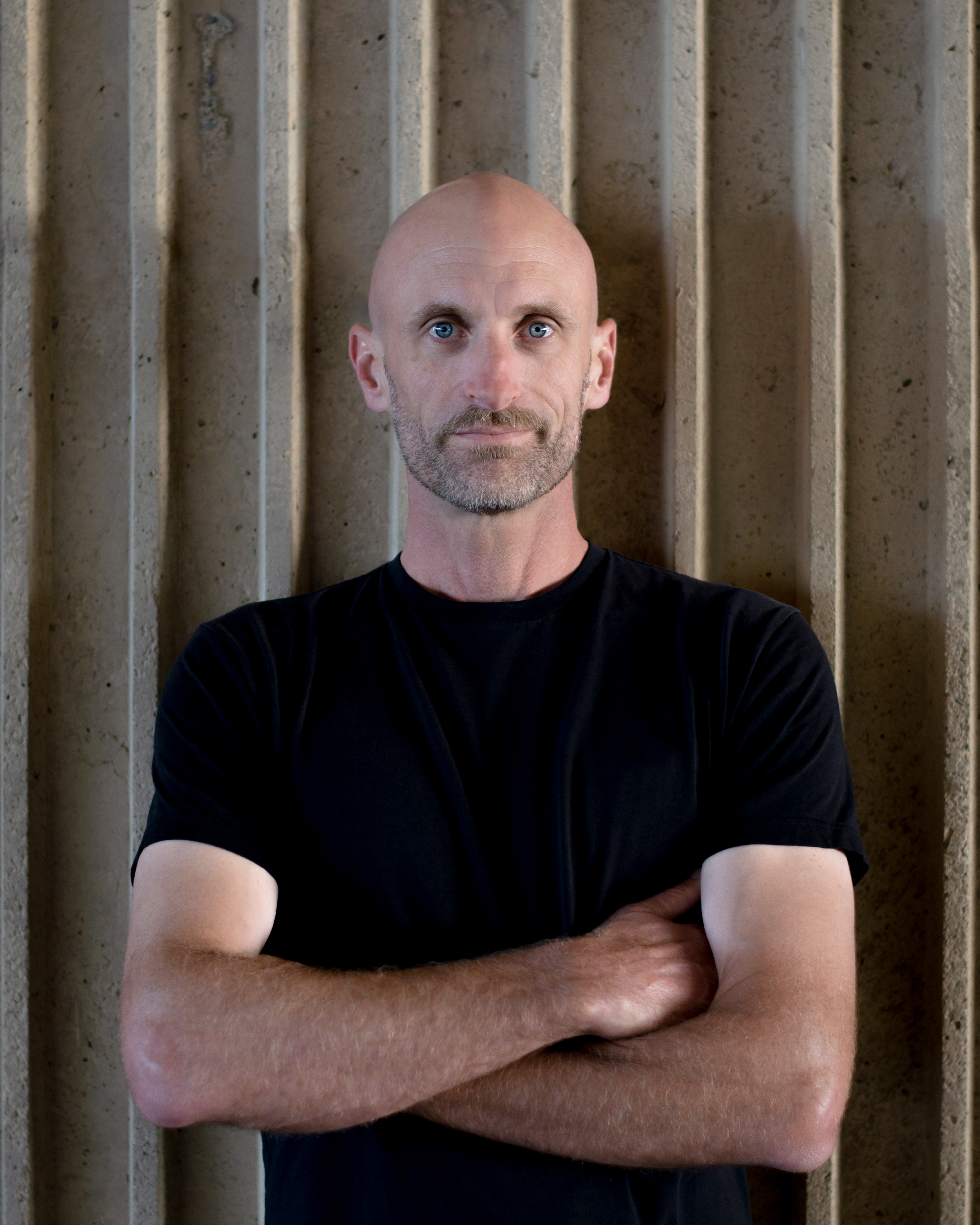
David Wiens
6
APPEARANCES
5
PODCASTS
Aug 12, 2026


Sarah SashHOST
So why should Canadians care about this if they're more worried about tariffs or manufacturing, the cost of living, all these things? What makes this matter an issue that should be priority?

David WiensGUEST
A dairy farmer should be standing, you know, with all Canadians and Canadian industries who are impacted by tariffs.
David WiensGUEST
And at the same time, protecting Canada's domestic food production is also a vital national interest, which was recently recognized by the government's new national food security strategy, which specifically acknowledged the important role of supply management.
David WiensGUEST
And so really, at the end of the day, This isn't about choosing one sector over another.
David WiensGUEST
It's about ensuring Canada continues to have a strong and resilient economy and food systems.
5 MINS LATER
Sarah SashHOST
So I wanted to congratulate you, your brother and your team, and just give you the opportunity to say some words to that because it in fact long predates supply management in Canada.

David WiensGUEST
... it's so sudden that it, that it turned around over, you know, like, uh, you know, two years or, or three years.
David WiensGUEST
So as an industry, it, it's important to, uh, continue to, you know, to adapt to, uh, the new consumer de-demands and, and make sure that we can continue to, uh, to meet those demands, you know, uh, again, on, on Canadian dairy farms, you know, produced according to, to Canadian standards.
David WiensGUEST
I think that's, I think that's very important too because, uh, uh, we know that nine out of ten, uh, consumers want Canada to have a really good control of, uh, of their, their food systems.
David WiensGUEST
And, and so they, you know, it's important that we contin- we, we are able to continue to produce milk for, uh, for Canadians at the standards that, that we, uh, that, that, that are important to us as, as consumers, right? So, uh, that continues to be our, our focus.

Lyndsey SmithHOST
So in all of this then, is it still the sugar that ends up being the excess? Is it the, the lactose that is the now we need to find a home for that? Or what, what is the thing that, that now you have to find a home for it?


David WiensGUEST
But what data shows about dairy prices is is that they are actually more stable than many other food categories and more competitive internationally than people realize.
David WiensGUEST
So, for example, over the past number of years, like let's say if we look at 2025, for example, the inflation rate like with dairy was at 2.1%, and the overall food category was at 3.2%.
David WiensGUEST
And the other part of it is that Canadian retail prices are actually – similar to the average national U.S. retail price.
David WiensGUEST
So in 2025, the average retail price for yogurt and cheese and butter were similar or actually lower in Canada than in the U.S., and that is actually without accounting for the production subsidies that consumers pay in the U.S., which they really fund through their taxes.
David WiensGUEST
So in that sense, They not only pay for their dairy products at retail, but they're also helping to pay for that through production subsidies.

Tim PowersHOST
So if the market were to open up, what would happen to you and to your members? What kind of threat does that represent to those rural communities, to the farms that you have mentioned previously?

David WiensGUEST
Yeah, so supply management basically means having a steady supply of key foods like milk, eggs, and poultry, that is produced in Canada and, of course, is there for consumers when they want it.
David WiensGUEST
Our system, the supply management and, of course, the dairy sector is a part of it, is a very resilient and stable domestic food supply system.
David WiensGUEST
So it does provide a stable supply of key foods like dairy, poultry and eggs for Canadians.
David WiensGUEST
And it also fosters thriving rural communities and family farms and strengthens food sovereignty, which is a huge concern, you know, especially with all the instability that we see all around us, especially on the world stage.
David WiensGUEST
And so, yeah, so it is that ability to have domestically produced food for Canadians and, you know, the kind of food that they want.
Tim PowersHOST
What does the market actually look like now, David? Are there American dairy products in Canada that are readily available to consumers?
Lyndsey SmithHOST
How, how do you stick handle that in these renewal negotiations? Like, like, where, where do you see Canada being able to come to a renewal or, or a renegotiation on this when it seems to be such, uh, an irritant for the Trump administration?
David WiensGUEST
You know, I, I have to think that this isn't really about dairy when it comes right down to it.
David WiensGUEST
So if you look at the trade balance between the coun-- the, the two countries, right? Like it's, uh, w-- uh, the, the US, I mean, it favors the US by, by, uh, a large margin.
David WiensGUEST
They would export about, you know, just over a billion dollars of, uh, dairy products into Canada every year, and they import about three hundred and ninety-one million dollars of Canadian dairy products.


Shaye GanamHOST
If we didn't have the program, don't you think the industry would expand and operate like every other market does in order to meet the demand domestically?
David WiensGUEST
You know, I've had interesting conversations with my dairy farmer counterparts in the U.S., and they really do struggle.
David WiensGUEST
Just recently, there was this article out of Wisconsin where, you know, there's a 240-cow dairy farm that was, you know, the point that he was making was if we don't get government subsidies, we can't make it through another year.
David WiensGUEST
And so how can you plan your business if you don't even know if you're going to be around from one year to the next? And that has been a problem there.
David WiensGUEST
And that's certainly, you know, in Canada, we have 9,000 dairy farms right across the country supplying milk in every province for Canadians.
Shaye GanamHOST
David, as we're moving towards this Kuzma renegotiation, what's the level of concern that Canada may soften some of these protections? I don't think they would remove them entirely, but what are you hearing and what are you concerned about in terms of offering a concession to the United States with an area that we know they're upset over?