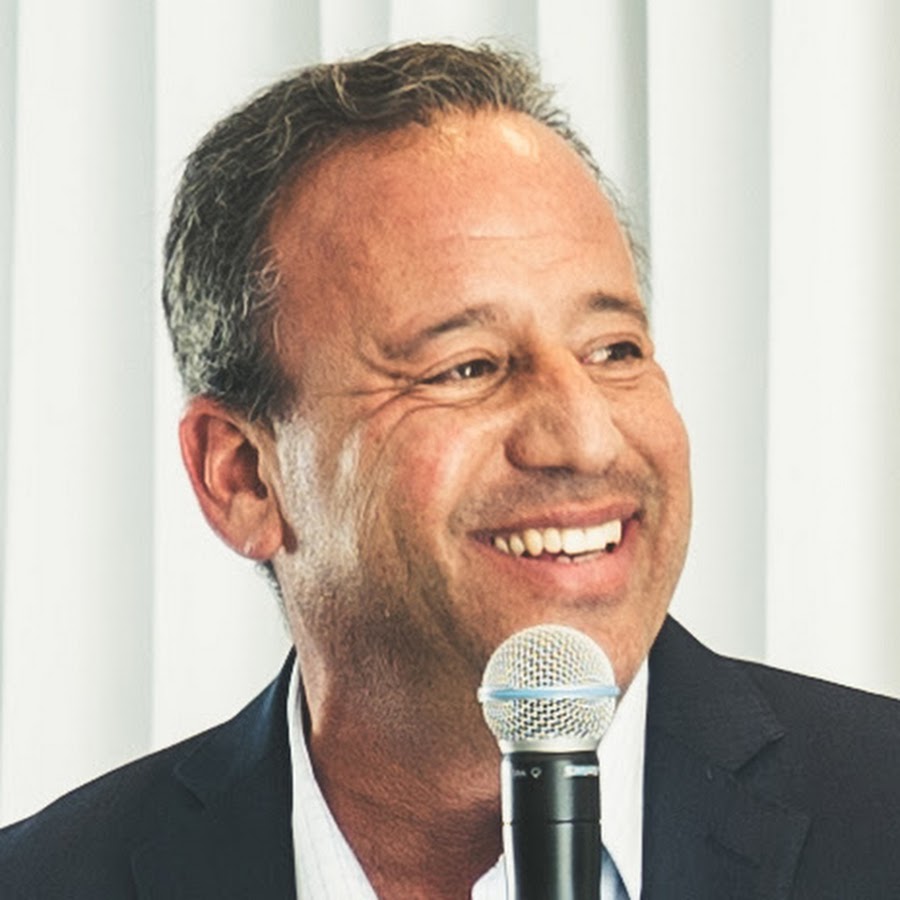
David Meltzer
Entrepreneur
5
APPEARANCES
2
PODCASTS
Sep 14, 2026


David MeltzerGUEST
Right? 'Cause one of the things that's really clear is that by around 11,000 years ago, you've got people in very different parts of North America developing, um, adaptive strategies, uh, incorporating lots of different resources in their diet.
David MeltzerGUEST
Um, so they clearly had figured stuff out, so I wanna know about that process, and I wanna know how it unfolded and what the, the impacts, uh, in, in both directions of the environment on the people and the people on the environment.
David MeltzerGUEST
Extinctions is one piece of that, obviously, right? Um, and the problem that I have with overkill, in addition to what mentioned, Metin just mentioned, uh, is that it's also the end of the Pleistocene.
David MeltzerGUEST
So all sorts of things are happening at the end of the Pleistocene, and so the question becomes an even larger equifinality issue.
41 MINS LATER


John BatchelorHOST
... of different branches? David, is there one pattern we can point to that we can demonstrate, uh, show why this split from north and south, and why in the Holocene you had splits like the Athabaskans from the Paleo-Inuits? Is there any generality that works or is, uh, is it region-to-region explanation?

David MeltzerGUEST
Um, the generality is there are no real good generalities, but, uh, we'll, we'll take a stab at a couple of them.
David MeltzerGUEST
So for one, um, early on, people are dispersing and they're dispersing rapidly, right? So they're, they get to this new world, there's nobody in front of them except, you know, open land, open forest, uh, closed forest, uh, animals that had never before encountered humans.

David MeltzerGUEST
Well, this is a really interesting, um, matter that we're- we're still sort of trying to get our heads around.
David MeltzerGUEST
At some point after that, we have a group that sort of spins off, and they will ultimately become what we refer to as ancient Beringians.
David MeltzerGUEST
The ancient Beringians and the ancestral Native Americans, they're both Native Americans.
6 MINS LATER
John BatchelorHOST
What does that tell us? That we're looking for something that's there and we, we can't find it yet? Is that the idea?
David MeltzerGUEST
Um, a genetic ghost is basically, uh, we can see in the genomic record that there was another population that contributed to a group, but we don't actually have an individual from that population.
David MeltzerGUEST
And let me, let me back the story up a little bit, um, from your, uh, summary just now.
David MeltzerGUEST
Once we've got people across the land bridge, uh, you remember that they're crossing during the times of maximum glaciation because these are the times when sea levels are lowest and the land bridge is best exposed.
David MeltzerGUEST
That also means, however, that because we have two vast continental ice sheets covering North America, basically from the North Pole down to say, central Ohio and, you know, the Northern Dakotas and Montana, uh, when they cross that land bridge, this is the time of maximum ice extent on land, so they're essentially running into a cul-de-sac.
David MeltzerGUEST
Well, um, l- let me, (laughs) let me add a few more details here, John, if I may.
David MeltzerGUEST
Um, actually, global sea levels worldwide on average, uh, dropped about 130 meters....
David MeltzerGUEST
but, uh, they only needed to drop 50 meters, as you mentioned, in order for the land bridge, the shallow continental shelf separating Siberia and Alaska to be exposed as dry land.
David MeltzerGUEST
And during the last glacial maximum, that period between 23 and 19,000 years ago, you basically had so much ice on land that it locked up all of that water.
David MeltzerGUEST
Most of that water was coming out of the oceans, evaporating out of the oceans, moving out as clouds over dry land.