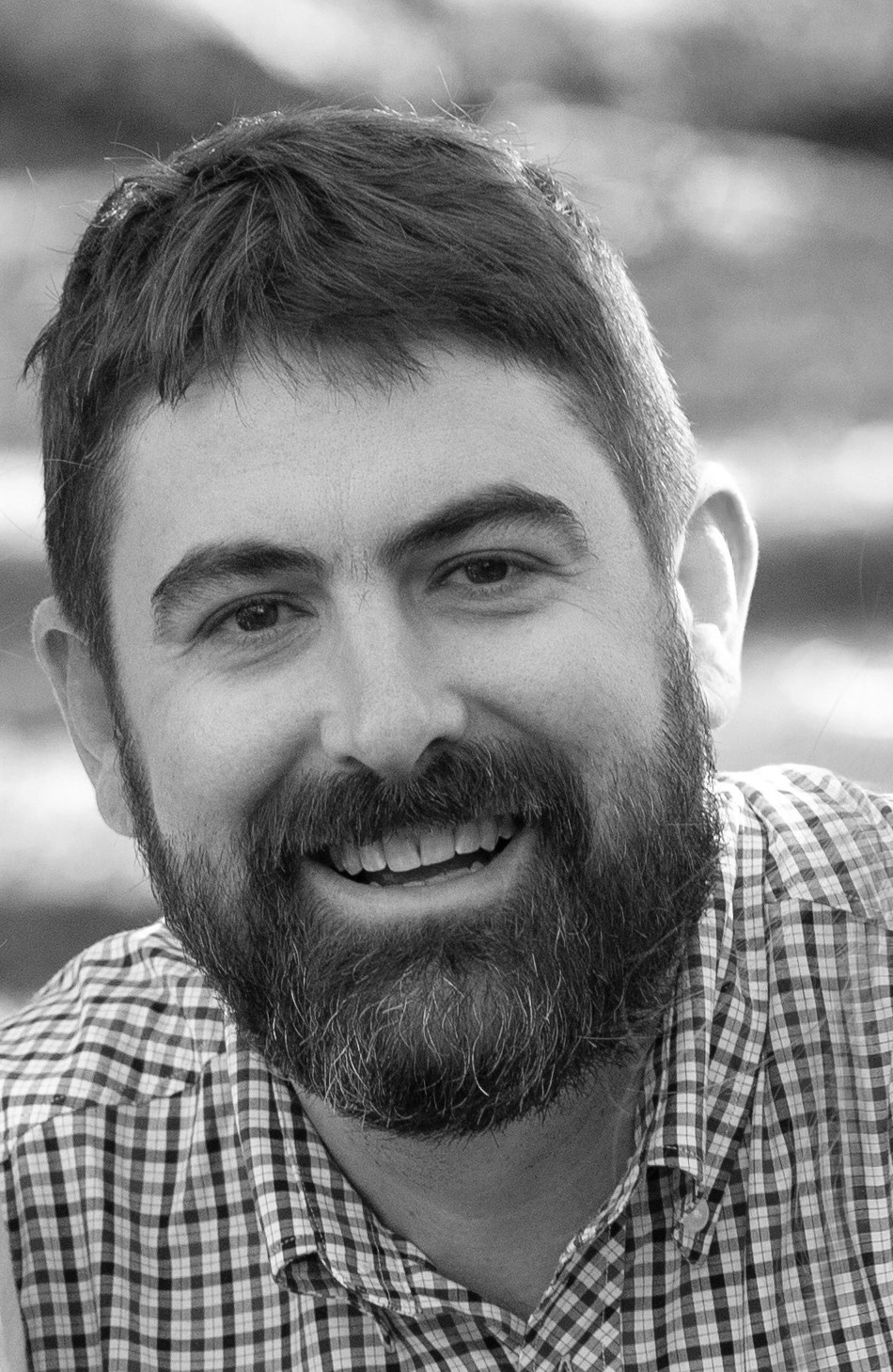
David McElrea
CEO of the Smart Energy Council (Australia); former Deputy Chief of Staff to Minister Tanya Plibersek and Chief Advocacy Officer at SEC.
3
APPEARANCES
2
PODCASTS
Aug 5, 2026


Corrie MacLeodHOST
What are we not talking about? Where do we need to see the acceleration? What are the big things that need to happen to make sure that we are capitalizing and managing this opportunity as best we can?

David McElreaGUEST
Small scale or household, that has been tremendously successful in Australia, particularly over the last twelve months with the government's Cheaper Home Battery program.
David McElreaGUEST
But Aaron just gave the example of large scale utility, which we need more of large scale utility batteries as well, but those batteries have at least the household smooth that, that curve out in the middle of the day, so they're absorbing power, and that means you're turning off less solar during the middle of the day.
David McElreaGUEST
There's a missing middle, I think, in commercial and industrial where we don't have much take up.
7 MINS LATER
Corrie MacLeodHOST
So if you were to have, I guess, a wish list for the next 12 months, you know, given how quickly things are moving and the opportunity has really arrived, David, and then I'll ask you, Aaron, in, in closing, what do you want to see? What would be the three things that would make a huge difference in the next 12 months towards net zero?


Tom ElliottHOST
But, but, but does that also take into account that if we just leave it in the ground, eventually it rots and creates methane, which, you know, in its unadulterated form, is a very potent greenhouse gas?
David McElreaGUEST
Uh, and, and there are alternatives though to treating that waste and that the...
David McElreaGUEST
A better way of doing it is particularly separating the sort of organic material, you know, so often like wood or, or pulp or, or, or organic material, and then putting that in and then harvesting the methane, farming the methane, and you can get about eighty-five percent.
Tom ElliottHOST
Okay, but, but, but does that also take into account that if we just leave it in the ground, eventually it rots and creates methane, which, you know, in its unadulterated form, is a very potent greenhouse gas?
David McElreaGUEST
Uh, and, and there are alternatives though to treating that waste and that the-- a better way of doing it is particularly separating the sort of organic material, you know, so often like wood or, or pulp or, or, or organic material, and then putting that in and then harvesting the methane, farming the methane.
David McElreaGUEST
And you can get about eighty-five percent, so that's a much better way of managing that methane.