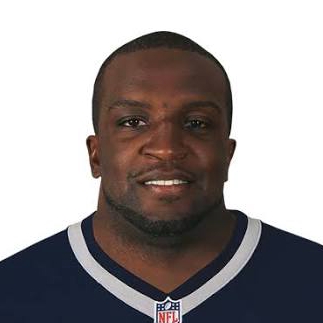
David Harris
David Harris is a CPA, certified fraud examiner, and licensed private investigator who is founder and CEO of Prosperident, the world's largest firm investigating embezzlement against dentists.
5
APPEARANCES
5
PODCASTS
Nov 22, 2026

JacksonHOST
So what happens when a thief is caught? For that $2 million case, are the dentists able to get any of that back, or how does that normally work?

David HarrisGUEST
The question is, what percentage of what you lost will you recover? Believe it or not, and there are some urban myths on this one that just won't go away, a lot of dentists make a full recovery.
David HarrisGUEST
The first thing is that, and a lot of dentists don't even know this, but built into their business insurance, you know, the stuff that would cover them if their practice burned down or something like that is a limited amount of coverage for employee theft.
JacksonHOST
So I'm curious, a dentist listening to this right now, what are things other than those, you know, behavioral traits you mentioned earlier? What are things in their office they can do to help prevent this? Is it like looking at the numbers every day, kind of auditing things or what do you know this works?

EricHOST
Ocean's Eleven thing going on here that we don't know about?
David HarrisGUEST
Usually when that happens, they have some connection that goes beyond working together.
David HarrisGUEST
In other words, if I want to be a thief, and let's say that I need to get my coworker, Alex, involved if I'm going to steal.
10 MINS LATER
EricHOST
right that's fine there's a lot of bureaucracy there's a lot of layers built into this there's a regional manager a regional director there's a director of operations okay stuff isn't getting passed up and down well okay i can really like this would be easy for me just to lay low and i feel like as i'm describing it dso's probably are even more susceptible than like a well-run private practice owned by an individual that's my hypothesis


David HarrisGUEST
And what I mean by that is if it goes wrong, no matter what it was in my practice, it's my fault.
David HarrisGUEST
you know, whether it's the crown that broke off or, you know, the patient who's complaining because the hygienist dug in a little bit hard doing scaling and root planing or whatever, you know, as one dentist said to me, yeah, it's like crap rolls downhill and dentists will forever live in the valley.
David HarrisGUEST
I mean, if you're treating me as a healthcare provider, I expect you to be fully accountable for what you do, what your assistant does, what your hygienist does, you know, that should be the standard.
10 MINS LATER


David HarrisGUEST
might hang around at night or maybe they make a quiet visit to the office on a weekend if we'll catch up on things.
David HarrisGUEST
I'll add one more that also often gets mistaken for a really good employee, and that's territoriality.
6 MINS LATER


David HarrisGUEST
And the thing about these timing differences is that they self-correct the following month.
David HarrisGUEST
So let's assume that for this month, the only timing difference I have is that a patient pays $4,000 by credit card on the last day of the month.