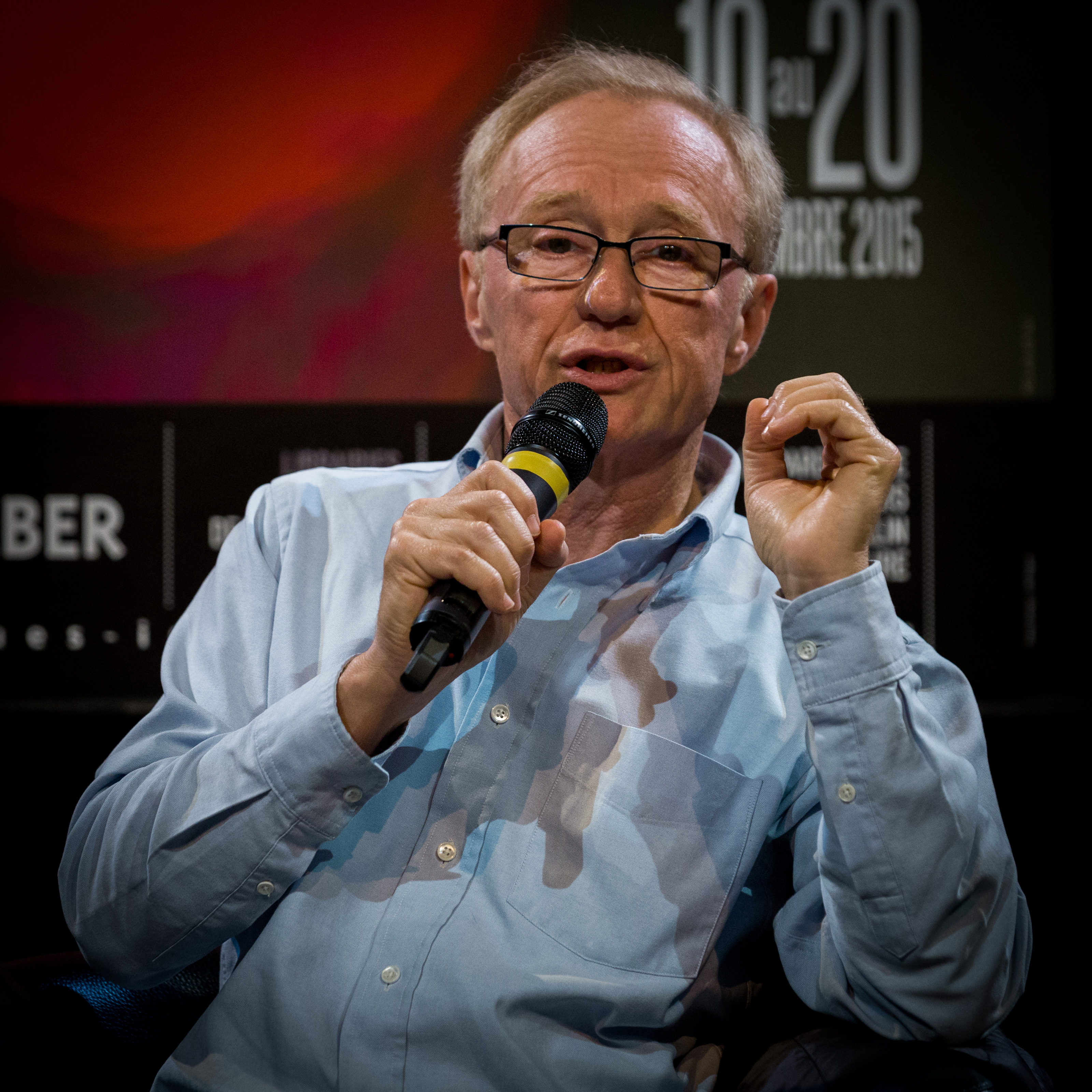
David Grossman
Israeli author
4
APPEARANCES
4
PODCASTS
Sep 1, 2026


Gary SchwartzGUEST
You know, when you're doing it, you don't think that, but it's a real legacy.

David GrossmanGUEST
i have run into people on actors on sets that'll come up and really and then say yeah and and and what comes over there when they no it's just it's just that i'm always surprised it's like really considering the
19 MINS LATER

David GrossmanGUEST
I don't know how not many people understand the preparation has to go through for the actors to learn and the choreography and stuff done so quickly.


Frank CottleHOST
Um, so, If 80% of the employees in the United States, just use the US as an example, are in companies of less than 500 employees, do the layoffs and do these changes of the larger companies really matter that much or are they just easier to watch?
David GrossmanGUEST
Look, I think there are lots of lessons, no matter what the size of the organization is.
David GrossmanGUEST
I mean, it's clear your ship, Frank, is easier to turn than some of the larger corporate ships.
David GrossmanGUEST
But at the same time, what we know about employees is there are fundamental needs that employees have, no matter what organization that they're working for, that when we meet those needs, they are more productive, more content, they help us get to where we want to go.
David GrossmanGUEST
And so I go back to, can we better understand the needs of our folks and then deliver on what's most important to them? So the Harris research that we did with employees asking folks, tell us the good, bad, the ugly when it comes to leadership, I think absolutely applies across the board.
13 MINS LATER
Frank CottleHOST
Well, do you think that certain executives think this is just an HR problem as opposed to a true leadership change management problem and they're basically shuffling it into a departmental issue as opposed to an overall cultural and directional issue?


David GrossmanGUEST
... stable is not a word I would use in any way, shape, or form to describe the times that we are in today.
David GrossmanGUEST
So let me talk about first, what do good leaders do well today? When we asked employees how they feel working for a good leader, 35% said they feel valued and appreciated, meaning the leader notices when they deliver, they say thank you.
David GrossmanGUEST
34% said they feel supported, meaning the leader provides direction, answers questions, removes obstacles, keeps things running.
David GrossmanGUEST
And in my experience, these are the leaders organizations tend to leave alone, right? They are achieving their goals.
9 MINS LATER
14:44
Can you maybe describe to our listeners these traits that you just alluded to?

Mahan TavakoliHOST
So what is a great leader in your view before we find out what makes great leaders?
David GrossmanGUEST
I answer that question by looking at some data, 'cause I have my own perspective on my own experiences and seeing sort of the evolution of leadership over time, and I think there's some basics that remain the same, but as we look at the leadership research we just did with the Harris Poll.
David GrossmanGUEST
So I wanted to understand, what does exceptional leadership look like today? So I thought, let's go to who knows better than anyone else, employees today.
David GrossmanGUEST
So we surveyed 2,200 employed Americans, and we asked them, "Tell us about your leader, the good, the bad, and the ugly." And what most surprised me was not one statistic, but it was a pattern that emerged as they talked about their own experience, and it reminded me of something that happened in my house a couple months ago.
7 MINS LATER