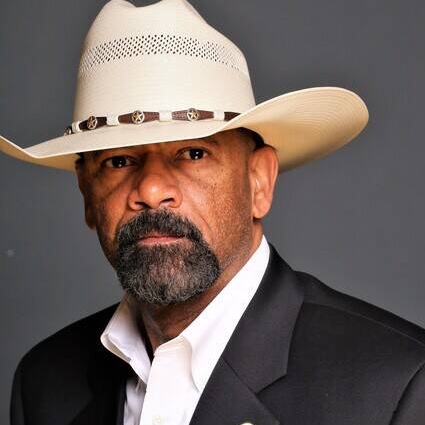
David Clarke
Associate Professor and Director of Amergin University Institute of Research in Irish Studies at Universidade da Coruña, specializing in Ireland-Galicia cultural links and Celtic literature.
1
APPEARANCES
1
PODCASTS
Jun 7, 2026


David ClarkeGUEST
The Galician Revival was something which happened in the early years of the 20th century.
David ClarkeGUEST
Basically, it was a continuation of what had been called a, a regionalist movement in the mid to late 19th century, in which Galician poets, historians, writers, uh, started to look at Galician as being something a little bit different from other parts of Spain, something with its own identity, with its own language, with its own culture, with its own way of being.
David ClarkeGUEST
Um, we had poets, uh, like Rosalía de Castro, who became Galicia's national poet.
David ClarkeGUEST
We had historians like Manuel Murguía, who started, um, uh, a regionalist movement.
David ClarkeGUEST
By the beginning of the 20th century, this regionalism had turned into nationalism.