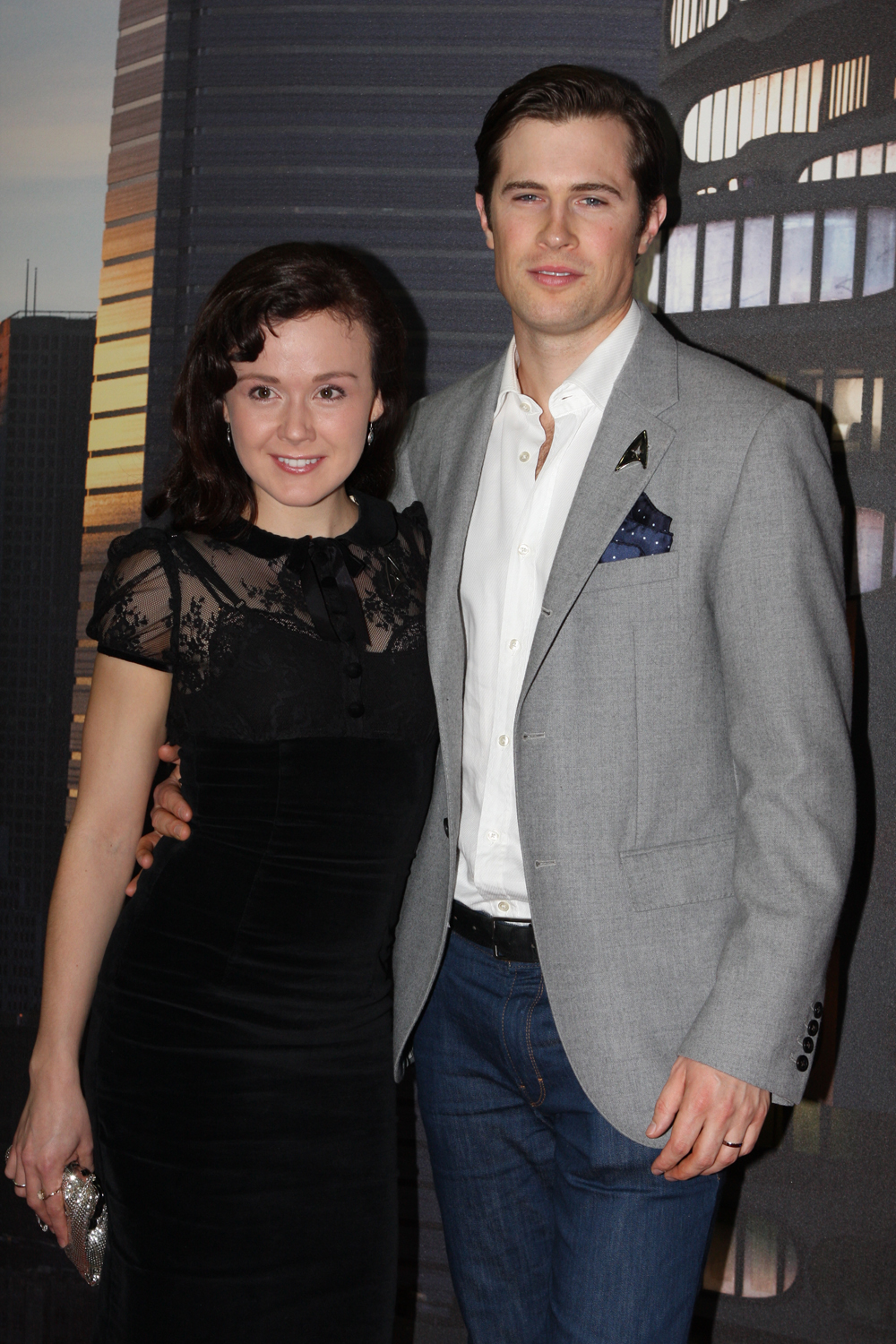
David Berry
Australian actor
10
APPEARANCES
7
PODCASTS
Sep 7, 2026


Brendan JonesHOST
And to see it on the screen, but then I thought as well, it would make a great stage play and here it is and you're in it.

David BerryGUEST
yeah um yeah yeah it started off as the novel and and then of the film that everyone loves it's like up there and i think it's imdb's top rated film of all time apparently um everyone loves it now the stage show there's a lot of pressure on me to you know nail it because it is not just your favorite jonesy but so many people come and tell me that yeah it's their favorite film of all time

Amanda KellerHOST
Does this mean over Christmas you can't pig out because you'd have been fitted already for costumes?
David BerryGUEST
I can't indulge in the food because there is a – I'm not giving anything away here.
David BerryGUEST
So when you get inducted into prison, the first thing to happen is you have to strip off and then you get de-loused and then you get hosed down.
Brendan JonesHOST
And to see it on the screen, but then I thought as well, it would make a great stage play, and here it is, and you're in it.
David BerryGUEST
It started off as the novel and, and then the film that everyone loves, it's like up there and I think it's IMDB's top rated film of all time.
David BerryGUEST
Now the stage show, there's a lot of pressure on me to, you know, nail it because it is not just your favorite Jonesy, but so many people come and tell me that, yeah, it's their favorite film of all time.
Amanda KellerHOST
Does this mean over Christmas you can't pig out because you'd have been fitted already for costumes?

speaker_1UNKNOWN
course
David BerryGUEST
But as any actors want to do, they're going to frame anything around their point of view.
David BerryGUEST
But character Andy Dufresne gets wrongly convicted for murder, is placed in a prison.
David BerryGUEST
And then within prison, you know, he undergoes this transformative experience and human connection with the prisoners.

JessicaHOST
starting off perfect
David BerryGUEST
hey i'm in the spirit of the podcast we have to talk um i should have known that i'd have to talk about myself a little bit um that's probably why a lot more is that i got to ask questions of other people instead of me having to talk um Anyway, that already tells you a little bit about myself.
David BerryGUEST
It's strange that I ended up in acting because I do kind of shy away from the spotlight or attention.
David BerryGUEST
And yet through my entire life, I've had some kind of performance things going on, on reflection.
David BerryGUEST
If you look in the narrative of my backstory, my origin story, now on reflection, I see that I was, it kind of makes sense how I got here as an actor.
50 MINS LATER
JessicaHOST
I thought that was pretty good.


David BerryGUEST
He was a self, um, sort of self-taught guitarist, played the blues, kinda gospel, Southern tradition, but he knew this one, one song on piano.
David BerryGUEST
Um, and I always mention this, is that, um, you know, years, years later, I'm studying, you know, at these places and, you know, advanced studies in piano pedagogy and all of these things, and, you know, they t- one of the things they teach you is about, um, the white keys and the black keys and, um, playing something only on the black keys and how students can learn and, you know, the rainbow and the arc and all of, all of these things.
David BerryGUEST
And, um, that's an important connection for me because, um, n- now that I'm in the academy, you know, to not forget that that first piece I learned was pedagogical brilliance.
David BerryGUEST
Um, and that part of my training is equally as important and valid as what I'm being taught here, um, and was first.
19 MINS LATER
speaker_1ADVERTISER
Visit SpinQuest.com for more details.
David BerryGUEST
[piano music] I think for me, the through line, if I, if I were to say one thing, is just heart, of how do you put your heart and, and soul into this? That whatever, um, the task is, uh, that you're accomplishing, how do you shine through? How is it something that you feel proud of and something that you feel like you're giving your soul to?

Yukimi SongHOST
In this conversation, we explore virtuosity, improvisation, composition, contemporary music, and what it means to bring your full musical self to the stage.
David BerryGUEST
And then im- improvisation o- offers you the n- unique opportunity to be totally present with that experience and that audience, and what the spirit in this room right now, what r- what, what is it I need to do that speaks to the spirit right now? Finding and, um, sort of, uh, living into, uh, are two different, uh, different things maybe.
David BerryGUEST
All of those elements of my musical life had always been in the picture and been there.
David BerryGUEST
All of those things, they can find a way to, to live together in, um, my identity as an, as an artist.

Marc PrestonHOST
Is it, is it something that, um, you know, for people that have done shows for a while, that have b- it's been a part of your life, you know, is it hard to kinda set it down whenever you're not shooting? That, y- you know, to kind of step into another project?
David BerryGUEST
Uh-I mean, it's great to have, as an actor, you know, that security of employment and to be on a show, to, um, have that continuity of character, and to get to explore a character in, in really great depth.
David BerryGUEST
And, you know, like so often in this industry, you, you might play a role for, you know, be on set for only a day, um, and, you know, have a guest appearance or something.
David BerryGUEST
But to have that privilege to really, you know, have that longevity is a, is a real gift.
David BerryGUEST
At the same time, it can make transitions in and out of that very tough because this also is an industry that is kind of defined by its in, you know, uncertainty, and that one job doesn't necessarily lead to another, and, you know, you have peaks and troughs in your career.
Marc PrestonHOST
I need to kinda break out it and tap into the US market or another market?" Uh, did you feel the same way about the, your ascent, uh, you know, into acting, or into your career rather?


David BerryGUEST
But first, what do we think about when we talk about biotech? Biotech is really developing drugs, and whether that's small molecules or proteins or cell therapies or gene therapies, all of that tends to get bundled up together in what we think about as biotech.
22 MINS LATER

Emily LongerettaMODERATOR
recycling of friendship?
David BerryGUEST
But yeah, obviously these two have a complicated relationship to kind of sort through.
20 MINS LATER
Emily LongerettaMODERATOR
David, are you taking anything away from Lord Grey? Any?
speaker_0HOST
Is it much more difficult to change the direction of a company when you actually have a little success? Is that really the most difficult part?
David BerryGUEST
It's incredibly difficult to get companies to change when they're full, when they're fully going.
David BerryGUEST
And that's why I always think about the early phases of a company as so incredibly important, right? When you, in the early days, there's not many people, so you have tremendous control over culture, tremendous influence on culture, uh, tremendous ability to make sure you're hiring the right people, people who live to those values, to the goals, to the virtues you're trying to instill in the company, uh, but also people who have a shared vision.
David BerryGUEST
And, and the people, I think, who join companies in very early days are just driven by this passion to do something special.
David BerryGUEST
And they're the sorts of people that they'll bring to you, that funny thing, when they see it, and they want to engage with you in that conversation, and they're looking for how we can do something that's great.
David BerryGUEST
What happens when a company gets bigger is, well, your systems get diffuse, your hiring gets diffuse, and so sometimes the ability to hire people that are aligned with culture or aligned with standards or aligned with values tends to drift a little bit, because, you know, I have a goal, you know, I have my, my near-term goal that I'm trying to achieve, and I need X, Y, and Z number of people to be able to achieve it, so I know at corporate, we think about this, but in my little world, I think about my end-year goals.
9 MINS LATER
speaker_0HOST
Why do those opportunities exist? Isn't the market pretty efficient when it comes to venture creation?