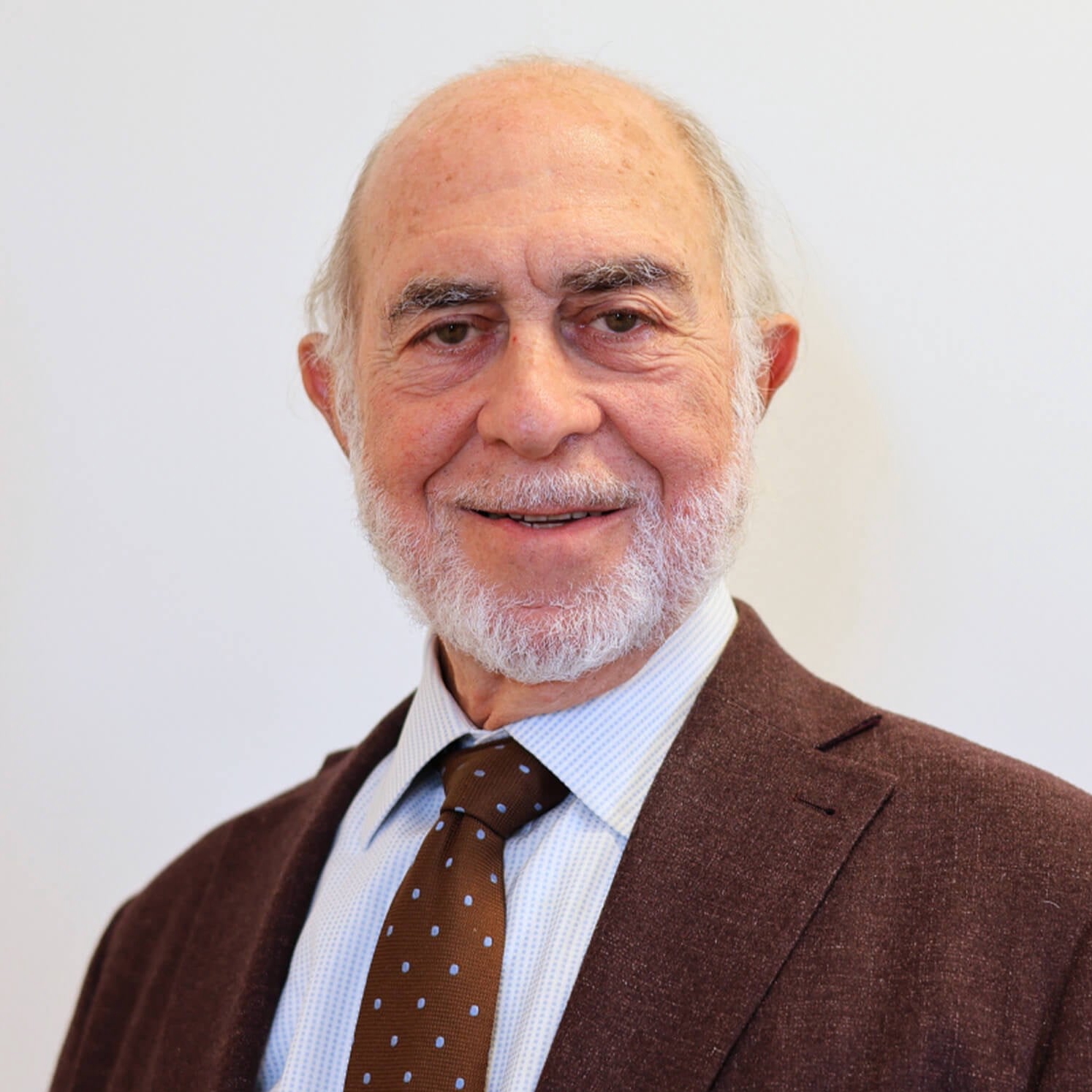
David Barad
Dr. David H. Barad, MD, MS, FACOG, is a reproductive endocrinologist and Clinical Director of Assisted Reproduction at the Center for Human Reproduction (CHR) in New York, specializing in IVF and ovarian aging.
2
APPEARANCES
2
PODCASTS
Jul 19, 2026


Lisa SchumannHOST
Could you help us understand some of the things that will be important for our listeners?

David BaradGUEST
The plastic detox on Netflix was an interesting series of a few cases of people who tried to detox themselves from plastics for a period of time, and luckily three of them did achieve a pregnancy.
David BaradGUEST
And so it's not really a formal evaluation of the effect of these plastics on fertility.
David BaradGUEST
It's actually kind of thought-provoking evidence that there are microplastics found in all of our organ systems and testes and semen and endometrium and ovaries and follicular fluid.
18 MINS LATER


David BaradGUEST
Hi, I'm Dr. David Barad, Director of Assisted Reproductive Technology here at Center for Human Reproduction.
David BaradGUEST
And today we're going to talk a little bit about taking care of LGBTQIA patients.
David BaradGUEST
Really, the most important thing to realize is that although LGBTQIA we deal with sort of as a group, but everybody's different.
David BaradGUEST
So the most important question that we can ask when you come in is, what is it that you want to do? How do you want to achieve? What are your reproductive goals?