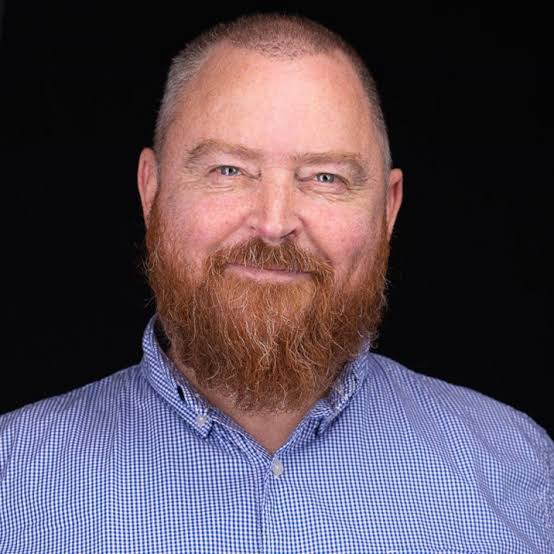
Daragh O'Connell
Senior Lecturer (Associate Professor) of Italian at University College Cork and Director of the Centre for Dante Studies in Ireland.
1
APPEARANCES
1
PODCASTS
Aug 7, 2026


Daragh O'ConnellGUEST
For those of you who were listening to me last year, you will remember that I flagged language as one of the key areas.
Daragh O'ConnellGUEST
But why? Dante set out to compose his great poem, a poem that we should remember he wanted to be on a par with the great works of literature available to him, Virgil's Reputation of Homer's Iliad and Odyssey.
Daragh O'ConnellGUEST
And therefore, This aim should have had a language worthy of rising to that particular cause.
Daragh O'ConnellGUEST
Now, anyone who was intent on writing a serious piece of literature would naturally write it in literary Latin, as those before him had already done.
6 MINS LATER