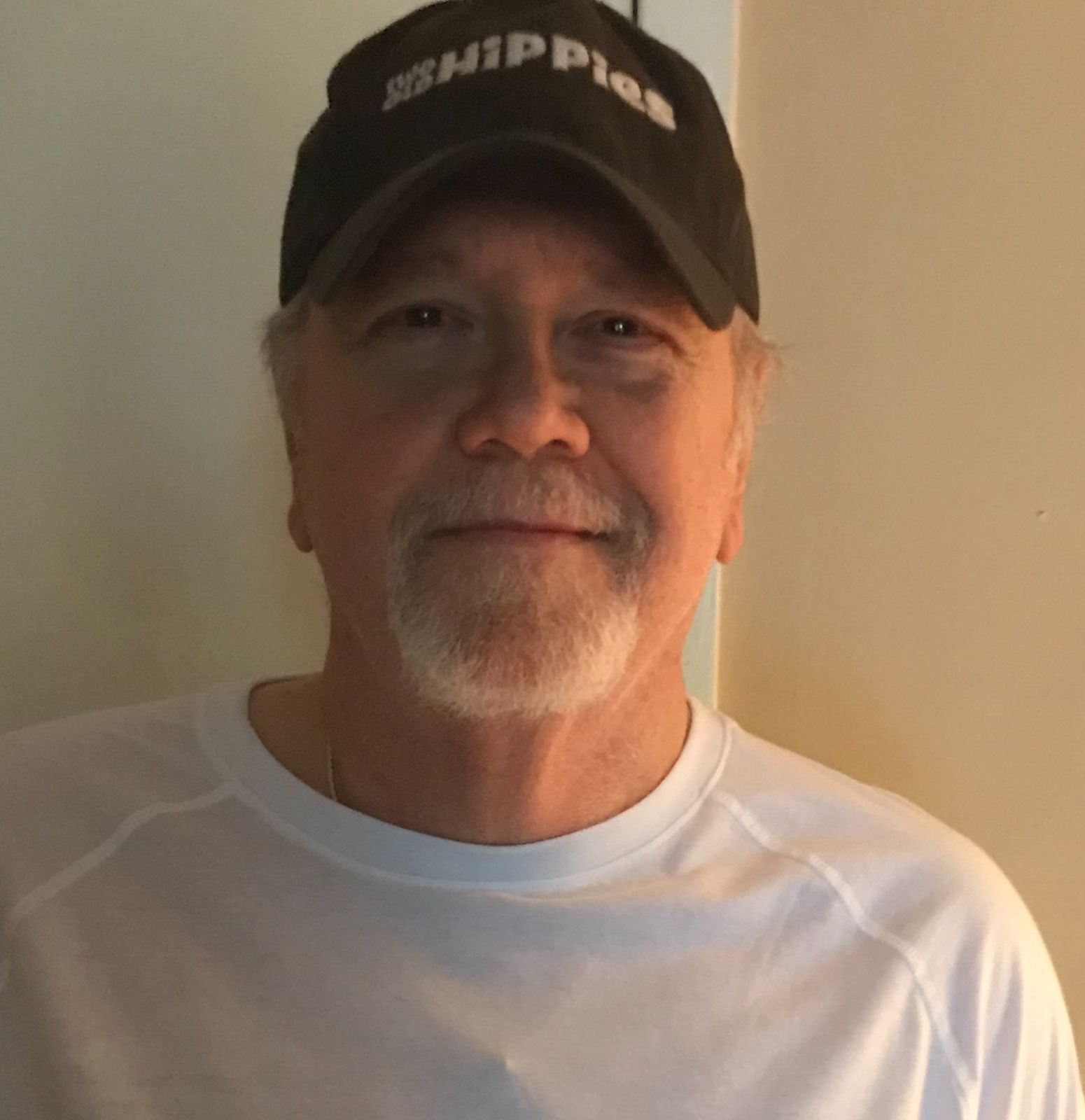
Dan Mitchell
Drummer
7
APPEARANCES
5
PODCASTS
Sep 14, 2026
Dan MitchellGUEST
So the last several years, uh, under HB 1143, a permit was required to, uh, to purchase a firearm in Washington, but we've had it on our website for free, and 550,000 people have done it.
Dan MitchellGUEST
The change now under HB 1163, which, which goes into effect May 1st on all purchase and transfers of any firearm, is that you have to have Washington State Patrol permit, issued permit to purchase, which requires $126 fee to Washington State Patrol, about a $30 fee to your local law enforcement agency to get fingerprints if they're doing them or scheduling them in time, plus you have to get live fire training by a Washington State Patrol certified training and instruction program.
Dan MitchellGUEST
So you... we're looking at about $400 to $500 to get a permit to purchase in the State of Washington, uh, coming up, and it goes into effect May 1st.

Lars LarsonHOST
Would you mind telling my audience about Spokane Freedom the Restoration Project and how it's going and how they can help out?
Dan MitchellGUEST
Uh, yeah, so some good friends of ours, uh, up there in Spokane, uh, the, the longtime family business sharpshooting, uh, indoor range, uh, up there, the ball family, um, they lost their home in the fire.
Dan MitchellGUEST
They got a 20 minute notice and, uh, they got their, their kids in a couple of basic things out of the house before their entire neighborhood burned to the ground.
Dan MitchellGUEST
Um, their parents and their brother also lost their homes, uh, in the same basic neighborhood.
Dan MitchellGUEST
And so myself and a few other people from the Second Amendment community, we wanted to do something to help them out.
Dan MitchellGUEST
And then, you know, obviously sometimes items survive other times they don't, uh, or they're, they're damaged when they're in there.
Lars LarsonHOST
If some of the people listening are hearing this and they want to get this information, what's the best way for them to connect to this program?


Bob SchulzGUEST
Where does the 20% national tax estimate come from? Without the cost of the bureaucracy of IRS, we should be able to make it much lower, 7% to 10% or lower.
Dan MitchellGUEST
Well, the IRS is a very big bureaucracy, but even once you factor in even the non-IRS tax compliance costs that the government has, you're basically dealing with a maximum figure of $10 to $13 billion, which, considering that we have a budget of, what, $1.8 trillion, frankly, just getting rid of 95% of the IRS, which a good tax reform plan could do, isn't quite, in and of itself, going to save enough money to allow a noticeably lower rate.
Dan MitchellGUEST
Now, there is another aspect to this, though, which is the fact that you're going to get rid of all the compliance costs imposed upon the private sector.
Dan MitchellGUEST
The Tax Foundation here in Washington estimates that the compliance costs of the income tax alone exceed $150 billion.
Dan MitchellGUEST
That's the lawyers, the accountants, the man-hours, and so on and so forth, that it simply takes just to get your tax return to Washington.


Dan MitchellGUEST
There is no question that creative destruction is what makes us richer as a society.
Dan MitchellGUEST
If you worked in a typewriter factory when the personal computer came upon the scene, you may have lost your job.
Dan MitchellGUEST
If your job or if you were an entrepreneur and you ran a candle factory and all of a sudden the electric light bulb was invented, you may have lost your fortune.

Austin PetersonHOST
So is mass immigration something that people who are free market libertarians, is this something we should be reexamining as a liberal, whether or not it's actually a libertarian principle at all at all?


Sharjeel AhmedHOST
What are the current trends that you're seeing in, in county lines activity, specifically when it comes to the exploitation of young girls?
Dan MitchellGUEST
So, so, um, so sadly, uh, we, we see for women and girls, but for girls particularly, in the data that, uh, we have reported of who's involved, they're, they're, they're really underrepresented.
Dan MitchellGUEST
And, and I think, um, you know, one of the reasons for this is there's just a real challenge for policing to be able to, uh, see and understand and identify those that are, that are being exploited.
Dan MitchellGUEST
So we're, we're asking for help really from parents and carers, you know, community members, if they, if they know of, uh, young girls, um, particularly women, women and girls generally being groomed.
Dan MitchellGUEST
Um, so that could be some sort of emotional ma- manipulation by criminal gangs, um, where they've built a relationship, um, that sort of mimic affection, but actually it's fake and they're just then being used for overlapping sexual exploitation as well as criminal exploitation.
Dan MitchellGUEST
Um, and they might be given, uh, they might be given gifts, money, they might be given some alcohol or some drugs, um, to try and draw them in.

Dan MitchellGUEST
When we started, eighty, ninety percent of drugs lines were coming out of one force area and going to another, so were traveling some distance.
Dan MitchellGUEST
That is a little bit of the Whac-A-Mole that you're talking about, where criminal gangs are saying, "What's policing's focus?" Well, it's on the cross-border drugs lines.
Dan MitchellGUEST
You know, you've been to court, you've seen the types of evidence we present, and we'll present maps and say, "This telephone started in this big city.
Dan MitchellGUEST
Here's all of the points of movement, and this shows that's a county line." When you've made twenty-seven thousand arrests and you've shut nearly nine thousand lines and you've presented evidence in all of those cases, it's gonna be the case that criminal gangs are thinking, "Well, what do we do differently?"