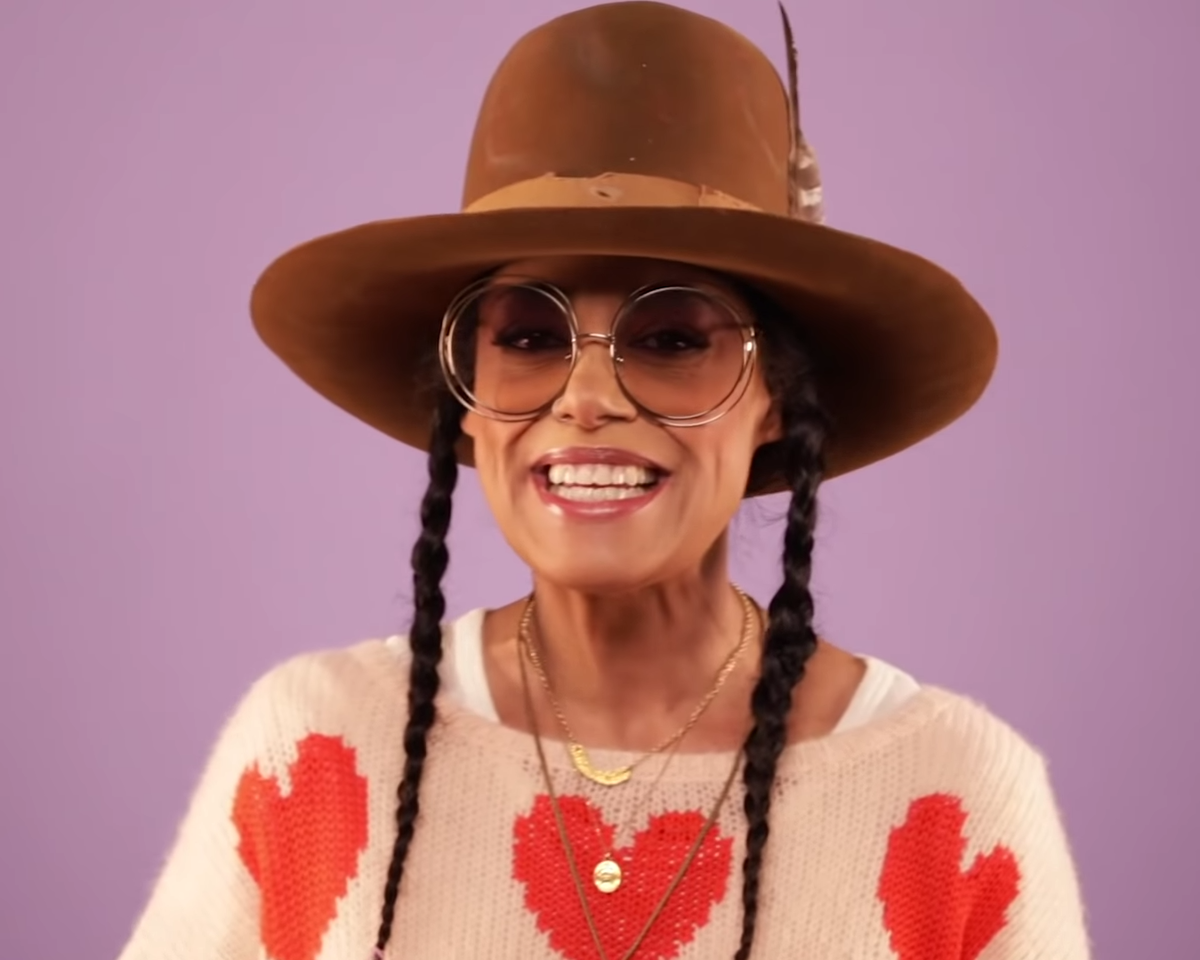
Cree Summer
Canadian-American actress
7
APPEARANCES
5
PODCASTS
Oct 21, 2026

28:15

Why was it important for this iteration of Freddie to kind of show up in that kind of teaching, and what do you feel like your own life has taught you about, like, how healing and rigor can intersect?

Cree SummerGUEST
Well, this bridge called my back, right? We've got this, what Black women have contributed politically, and yet still not acknowledged for what we have done for this country and, uh, this around the world.
Cree SummerGUEST
And also Black women being really for so long even pushed out of feminist spaces and having to find and create our own place to be and represent, and our own intellectualism honored.
Cree SummerGUEST
But I do think that the, you know, it just brings us back to seeing young Black people in spaces of higher education.
Cree SummerGUEST
You know, to be intellectually sparked, have those synapses set off, is a healing thing, right? Every time we read a book and see ourselves, we get healed.
Cree SummerGUEST
Every time we have these elevated conversations, a healing takes place, sometimes unbeknownst to yourself.
Cree SummerGUEST
Sometimes you walk away, maybe you got it on a cellular level, and you didn't even understand the conversation, but you know, you just feel a little different, right? And I love that Freddie incorporates these things.
33:09
Can you talk about like how that has transcended throughout the time since making the first iteration?


Cree SummerGUEST
And then I was even told by someone, it was so disparaging, that they're encouraging writers to consider when you're creating that the audience is gonna look at the screen and then back down to their phone.
9 MINS LATER

Cree SummerGUEST
What are your thoughts on white students joining a Black organization built by Black people for Black people, but infiltrated by white people? What are your thoughts on it, especially since you're an Alpha?

Cree SummerGUEST
Because I knew there were other characters that would balance that or challenge that.
Cree SummerGUEST
And it, it was comforting to know that, because I said some pretty awful things.
42 MINS LATER

Cree SummerGUEST
But even beyond jobs, what, you know, like, when we're talking about Hillman and talking about A Different World, beyond jobs, what a Black college and what an education gives you is self-esteem and the ability to express yourself.


Cree SummerGUEST
I grew up on an Indian reservation with the Plains Cree Indians, then I lived in a school bus, nomadic, for years.

speaker_15GUEST
No.
Cree SummerGUEST
What Debbie Allen brought, she's so smart, and what Phylicia Pride is bringing as well, is we sock it to you with the political truth, but then we catch you with humor, and it's that incredible balance that Different World always had.
speaker_15GUEST
... it's so glorious.
Cree SummerGUEST
One thing I loved about Different World, past and present, is that at home, as a Black person, you get to see yourself, and that is so important.
Cree SummerGUEST
You- it's so important that we are represented, and it's so important to see a reflection of yourself.
Cree SummerGUEST
Because when you see a reflection of yourself, you get electrified and you realize what you have the potential and possibility to do.


Cree SummerGUEST
Um, well, let's start with my old man, my father, I, whose name was Iron Buffalo, right, to give you some insight as to how alpha he was.
Cree SummerGUEST
Um, my parents met in s- in the '60s, and when I was born they dropped out of society completely, and they went to live on a reservation with the Plains Cree Indies- Indians in Saskatchewan called Red Pheasant.
Cree SummerGUEST
And we stayed there for six and a half years, and then we lived nomadic in a school bus, and we found ourselves in horse stables.
Cree SummerGUEST
We lived in an abandoned, uh, uh, cu- boxcar, uh, that was on a, on a railway track.
Cree SummerGUEST
Uh, uh, we just lived all kinds of ways, in tipis, and we didn't have a lot of money 'cause nobody was working real jobs.
6 MINS LATER
Cree SummerGUEST
Um, well, let's start with my old man, my father, I, whose name was Iron Buffalo, right? To give you some insight as to how alpha he was.
Cree SummerGUEST
Um, my parents met in s- in the '60s, and when I was born they dropped out of society completely, and they went to live on a reservation with the Plains Cree Indies- Indians in Saskatchewan called Red Pheasant.
Cree SummerGUEST
And we stayed there for six and a half years, and then we lived nomadic in a school bus, and we found ourselves in horse stables.
Cree SummerGUEST
We lived in an abandoned, uh, uh, c- boxcar, uh, that was on a, on a railway track.
Cree SummerGUEST
Uh, uh, we just lived all kinds of ways, in tipis, and we didn't have a lot of money 'cause nobody was working real jobs.
6 MINS LATER