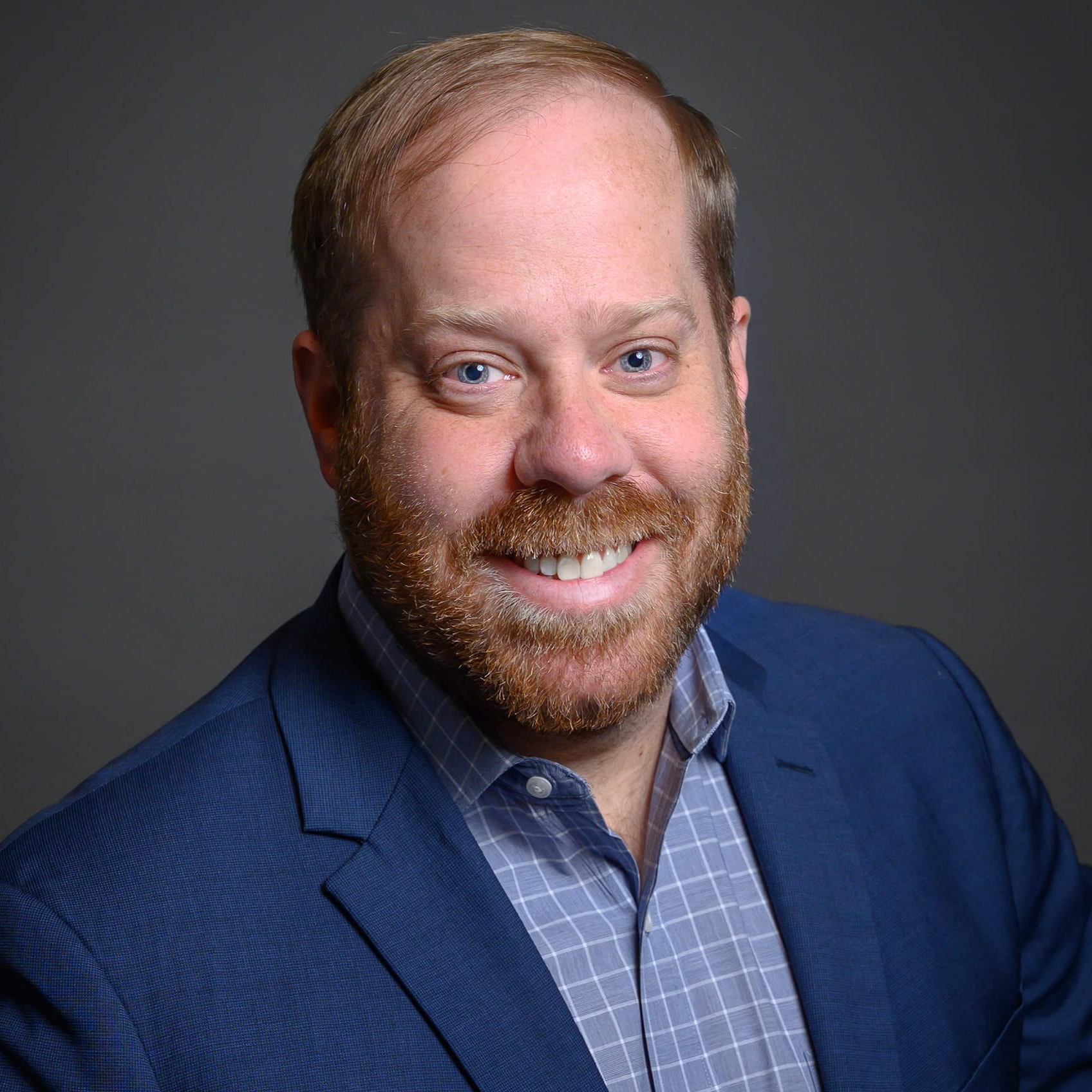
Christopher Rivers
Former U.S. Army officer, West Point graduate, combat veteran, and author of "You Shouldn't Have to Kill to Get Ahead: Reimagining Wealth, Power and Belonging in America."
3
APPEARANCES
3
PODCASTS
Sep 22, 2026

15:16

So tell us a little bit first about the title and then where you'd like to see this book go and how you'd like it to be impacting the readers who have the opportunity to read it.

Christopher RiversGUEST
So the title of the book really is... has three meanings to it and they're associated with the three parts of the book the first meaning is in the first part of the book i share my life story and for anyone listening to this podcast you already know i served in iraq and afghanistan and i tried to use my own life story to just say we have a system where millions of kids born into this country their surest way to a world-class education without having to go into a massive amount of debt is for the military and at periods of time that we're actively at war and it just seems crazy to me that the richest country in the history of the world has that as a primary path and i wanted to show people with my own life story what that actually looks like because i don't think we talk about it enough and then the second part of the book is diagnosing how do we get to now politically where so many people are asking for change and the economic system seems to keep getting more and more out of balance to the point where people are working more hours per day they're producing more per hour and earning less for it than basically any time in american history and people are quite literally at the point if you look at the stats of the dust of despair and other stats that we don't really like to look at but people are quite literally working themselves to death at the same time The corporate earnings across the country are exponentially growing.
Christopher RiversGUEST
And I just wanted to make the point of there's a real clear story of how we got here.
20:12
And so I'm curious about your thoughts about how do we, maybe something from the book, how do we actually get up underneath the propaganda and deprogram people on both sides from this jargon and really get to the point?

AbrahamHOST
How did that experience influence the way you think about the American dream?
Christopher RiversGUEST
Yeah, and I was really reflecting on this in the last few weeks because I really used the book to tee up sort of my grandfather's experience, who was a factory worker, able to have seven kids.
Christopher RiversGUEST
She worked at home to raise a family, and they had a good quality of life.
Christopher RiversGUEST
My dad is an industrial mechanic, and my mom had to work some temp jobs, only had three kids.
6 MINS LATER
AbrahamHOST
Why is belonging so important to people's ability to thrive, lead, and participate in society?


Etu DanielHOST
In addition to that, um, I would like to ask you, when did you first realize that, uh, many hardworking people were doing everything right but still struggling to move forward?
Christopher RiversGUEST
Growing up, I could see that my brother and sister were far more gifted and work harder than I did, but I got farther than they did 'cause I was able to learn from their mistakes.
Christopher RiversGUEST
It was really when I went to Georgetown and got to see behind the curtains of how national decisions are made in Washington, D.C. that affect the entire world, and you start to realize the people who make it there aren't inherently smarter or more gifted than the people I grew up with.
Christopher RiversGUEST
But what they did have that the people I grew up with generally did not have is access to networks of people to help support them, mentor them, coach them.
Etu DanielHOST
What does that title really mean, and, um, why, and what message do you hope readers take away from it?