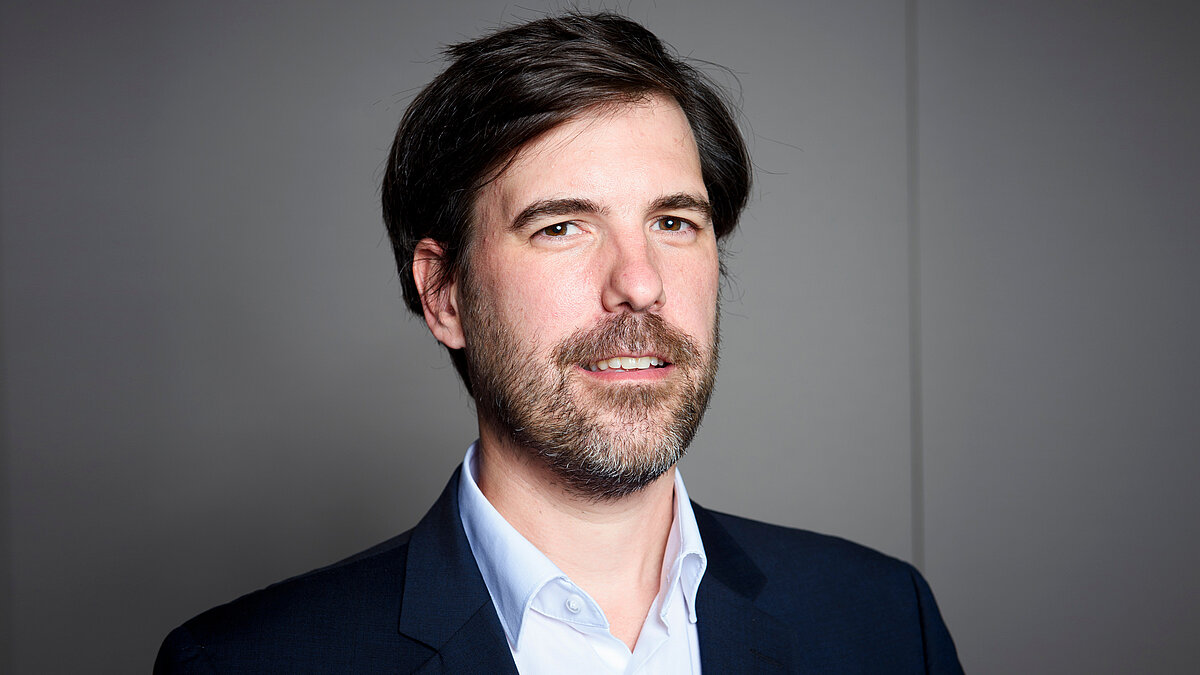
Christoph Trebesch
Economist
2
APPEARANCES
2
PODCASTS
Jul 2, 2026


Christoph TrebeschGUEST
So, so I think in 80, 80 to 90% of the cases it was absolutely crystal clear.
Christoph TrebeschGUEST
There are some borderline cases, and we ended up, you know, uh, in multiple rounds of refereeing, doing all sorts of checks, um, a- including some of these borderline cases, uh, like Ronald Reagan.
Christoph TrebeschGUEST
You know, there are some cases that, that they use, they, they, they- They use some populist rhetoric, but it's not the core strategy they, they pursue, right? So, um, in-- we can include or exclude those people in the analysis.
Christoph TrebeschGUEST
W- again, we, we decided to exclude them as a baseline because we want to impose this high bar.
Christoph TrebeschGUEST
We also have parts of the analysis where we just use existing data sets of political scientists who have coded this using textual analysis of speeches, right? That's another approach that people have used.
Christoph TrebeschGUEST
Or expert coding, right? So there's various approaches to how you can go about identifying populists.
13 MINS LATER
Wioletta DziudaHOST
Uh, what about redistribution, for example, income inequality? Um, did, did you look at other macroeconomic, uh, variables or things that people might care about, and, uh, what did you find?

Tim PhillipsHOST
How, in that case, do you define a boom, unfortunate name in this context, in military spending?
Christoph TrebeschGUEST
You know, the last big crisis we had was financial, and there was all this research trying to understand the consequences of these credit booms.
Christoph TrebeschGUEST
So we used this kind of methodology and identify booms by strong increases in military spending to GDP.
Christoph TrebeschGUEST
Specifically, if a country has a six point five percent increase in military spending to GDP over two consecutive years, that is considered a boom onset, according to our algorithm.
Christoph TrebeschGUEST
And then the boom ends once the growth rate goes below zero, so when basically there's no more growth in military spending.
11 MINS LATER