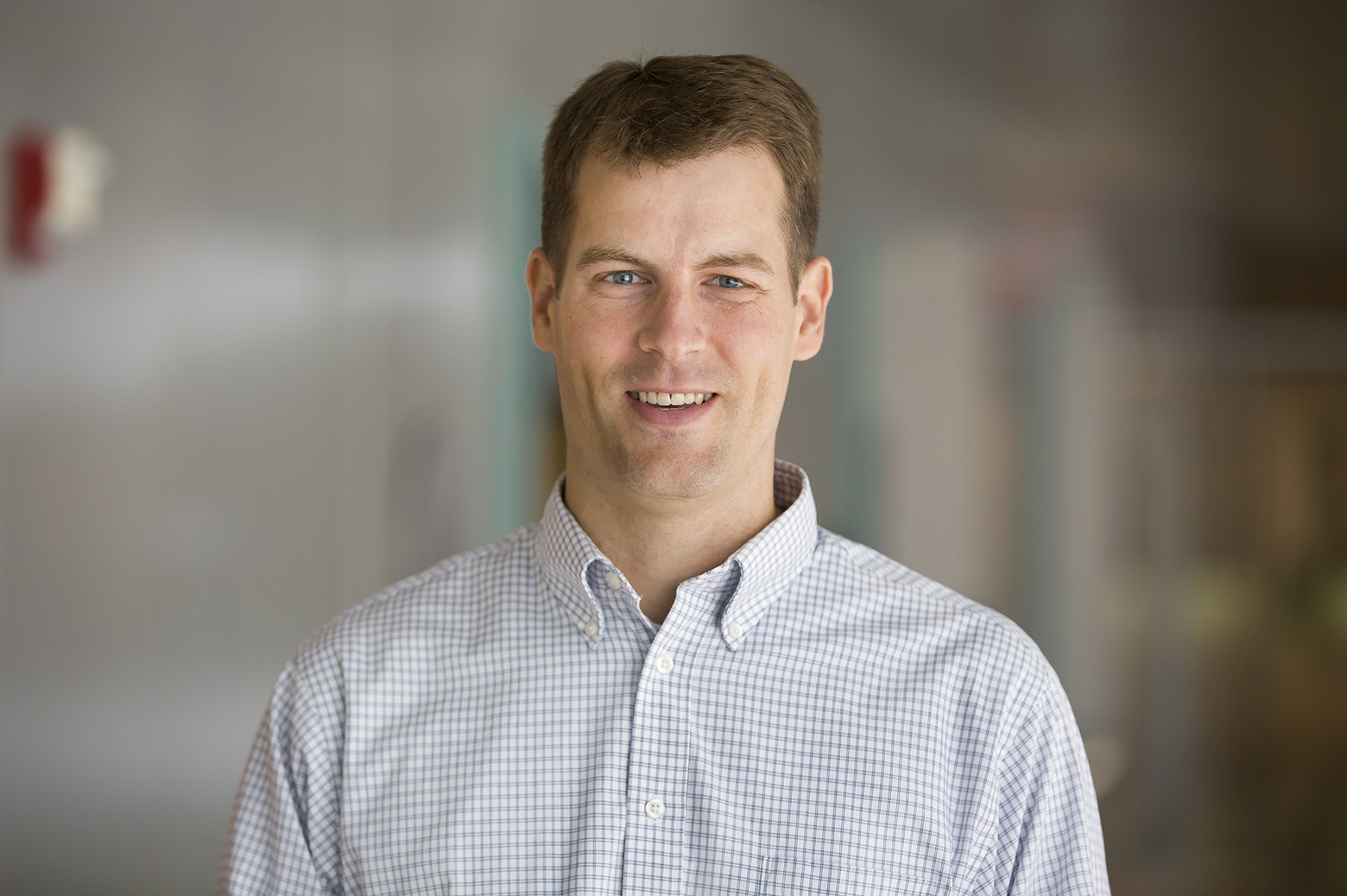
Chris Peikert
Computer science researcher
2
APPEARANCES
2
PODCASTS
Aug 26, 2026


Chris PeikertGUEST
So before we go to dihedral, we should go to cyclic, because that's where the story begins, really, like 30-some years ago.
Chris PeikertGUEST
we kind of all know Shor's quantum algorithm, which breaks factoring and discrete log.
Chris PeikertGUEST
And the way it does that is by solving this what's called a hidden shift problem on the cyclic group, basically.
Chris PeikertGUEST
So there's cyclic groups in the discrete log problem, and there's cyclic groups hiding in the factoring problem.
Chris PeikertGUEST
And quantum algorithms, computers, sure, is really good at solving these hidden shift problems on the cyclic groups, huge cyclic groups.
10 MINS LATER


Laura ShinHOST
Like, does Algorand have any plans or do you know of any other chains that have like certain plans around, you know, how to kind of transition before the threat arrives?
Chris PeikertGUEST
Yeah, there are several chains that are thinking, I think, seriously or to some degree of seriousness about how to do these kinds of upgrades and transitions.
Chris PeikertGUEST
I think it's absolutely important to do it very deliberatively and iteratively.
Chris PeikertGUEST
So the approach at Algorand, for example, has been let's deploy this state proofs for the for the underlying consensus and chain and the long-term viability and accuracy of the chain.
Chris PeikertGUEST
And then they moved it to post-quantum transactions, post-quantum protected transactions.
Chris PeikertGUEST
We'll learn from that and discover new techniques, new ideas that allow to move forward to other pieces of the picture.
9 MINS LATER