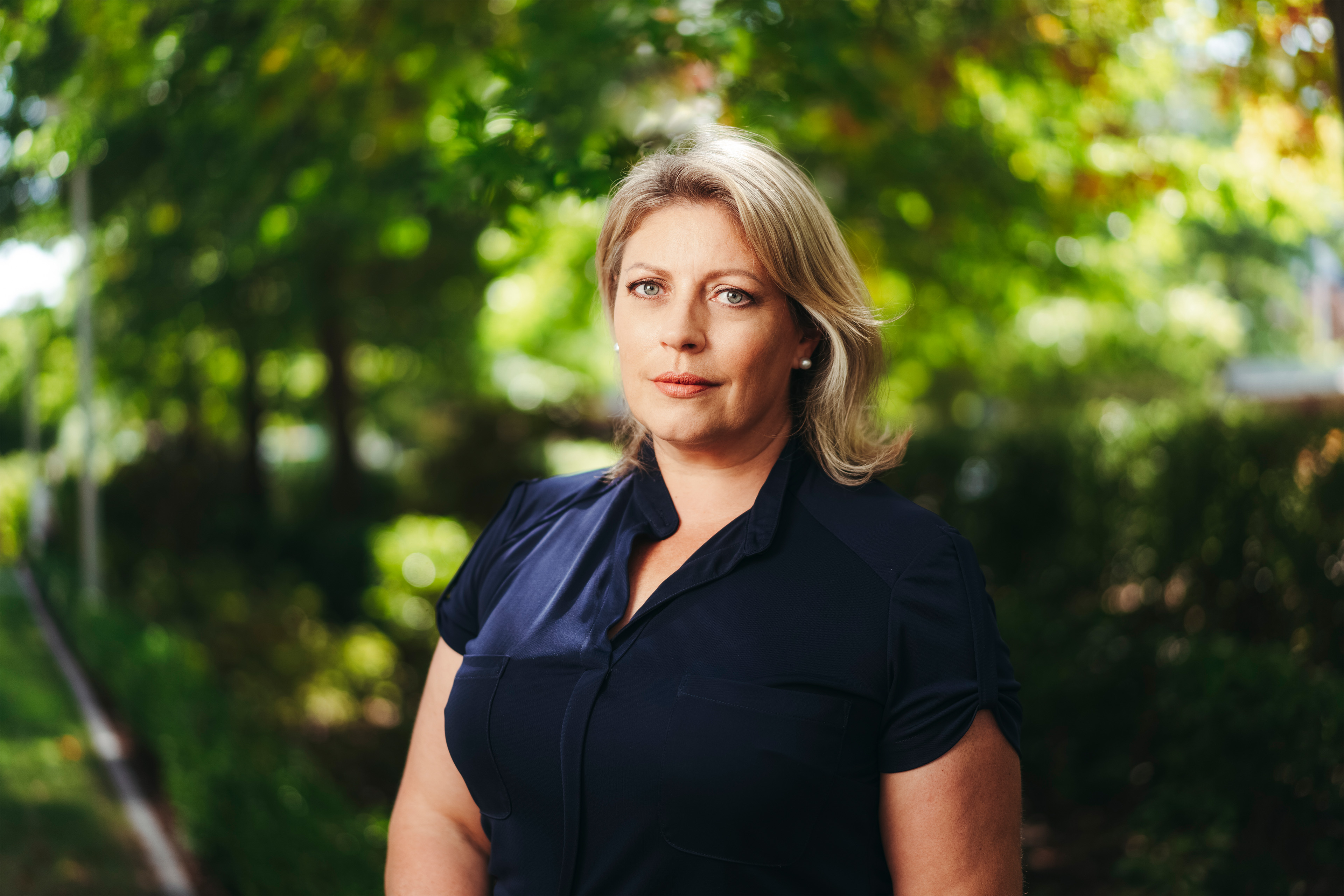
Cherelle Murphy
Economist
4
APPEARANCES
3
PODCASTS
Aug 13, 2026

Peter MartinHOST
Might this new knowledge about what really matters to Australians, might that make governments less keen to prioritize employment in the future and, uh, keener than they have been to do everything they can to keep prices under control?

Cherelle MurphyGUEST
I think it's just because it's a relative concept, which inflation sort of hurts now.
Cherelle MurphyGUEST
We got an unemployment rate, I think it's around about 7.5% at the peak in COVID.
Cherelle MurphyGUEST
You know, as Gianni said, there was expectations from some of the best forecasters in the country that that could've been as high as 20%, and the reality is that had the policy response not been as it was, it could've been 20%.


Sally SaraHOST
Where do you think we're headed for the rest of the year when it comes to interest rate rises? More on the cards?
Cherelle MurphyGUEST
Unfortunately, I think so because we know that on the basis of the Reserve Bank's own forecast, which of course will really matter for what it will do, you can see the underlying inflation rate sitting up above 3% really right through 2020. to the middle of next year.
Cherelle MurphyGUEST
And that is with the assumption in the forecast, because it uses market forecasts to give a rate assumption, that there's one more rate hike already in there.
Cherelle MurphyGUEST
So even with that situation, you still have inflation too high, which means inflation There's no other read of this other than the fact that inflation will remain high and therefore interest rates need to go higher.
Sally SaraHOST
What did you make of Michelle Bullock's comments about government spending yesterday? It was quite
Cherelle MurphyGUEST
clear, wasn't it? She was saying that the increase in demand that comes from government spending, which is kind of no different from increase in demand that may come from a private sector spending or a tight labour market, that's all contributing here.
Cherelle MurphyGUEST
You can't kind of quarantine that type of spending off and say it doesn't matter.

Cherelle MurphyGUEST
Yeah, I don't think we should be too concerned at the moment because it has been so strong for such a long period of time.
Cherelle MurphyGUEST
And so any sort of deterioration from here to some extent had to be expected because you couldn't kind of maintain that level of jobs growth and such a low unemployment rate forever.
Cherelle MurphyGUEST
Of course, you know, it's hard to talk about this in the macro because to one person, obviously a loss of a job is a big deal.
Cherelle MurphyGUEST
And this is a point, actually, that Michelle Bullock, the governor of the Reserve Bank, made last week at the Senate Estimates Committee hearing.

Sean AylmerHOST
And, of course, we're going to hear a lot from the Reserve Bank this week, be it minutes from the most recent board meeting as well as a few speakers.
Sean AylmerHOST
I mean, if you could pick where you wanted your economy to be, inflation in that 2% to 3% target, 4.2% unemployment, growth is a bit slow, definitely, but it's not a disaster by any stretch.