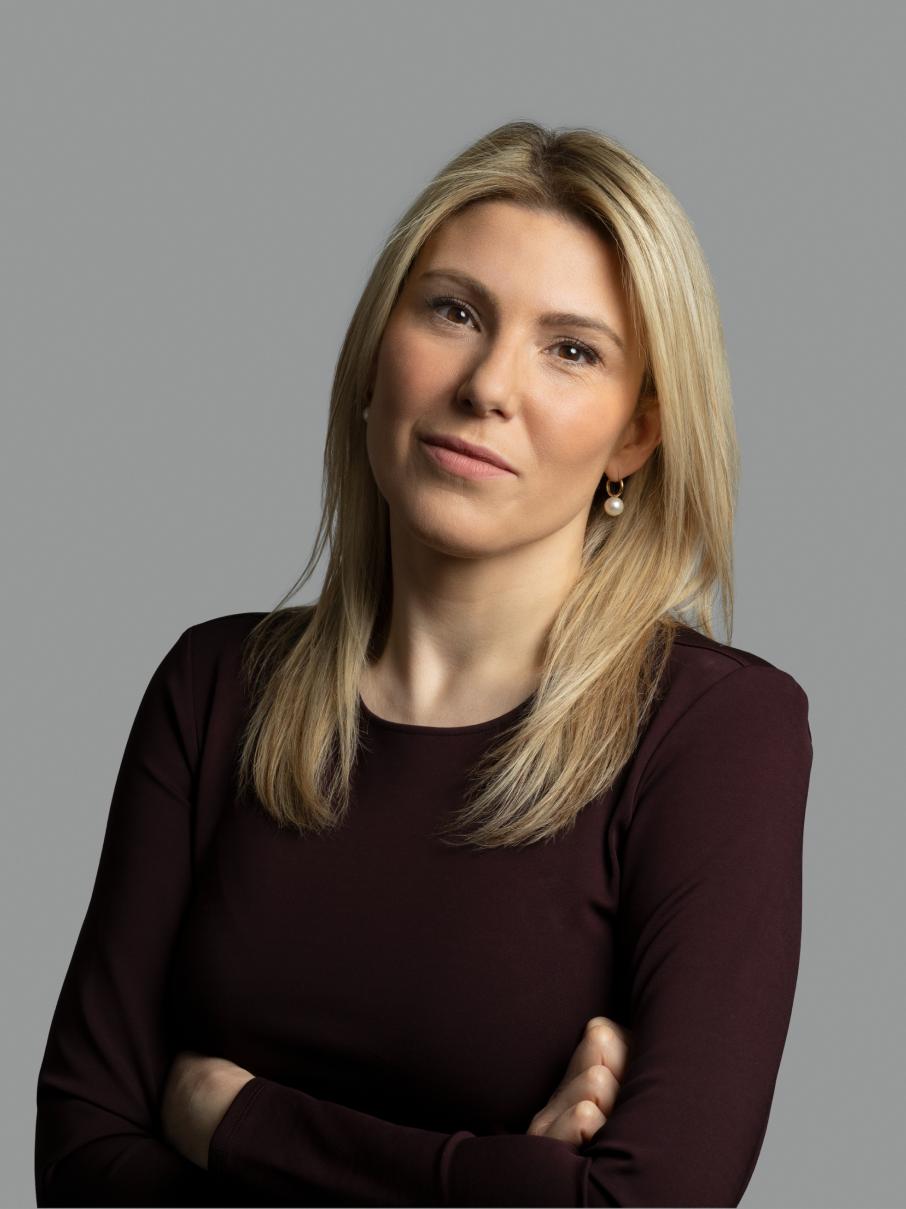
Charlotte Refsum
6
APPEARANCES
6
PODCASTS
Oct 13, 2026


Charlotte RefsumGUEST
And I had been doing some thinking about what it means to be a GP and what primary care actually is.
Charlotte RefsumGUEST
And actually, I think that primary care, when it was invented in 1948, was a really elegant solution to a problem.
45 MINS LATER
speaker_0ADVERTISER
I think there are a lot of services


Steve RoestHOST
So you saw healthcare from the frontline before you came anywhere close to doing what you're doing right now.
Charlotte RefsumGUEST
The first thing I want to say about it is it's a massive privilege, and that's the thing I take with me from my time.
Charlotte RefsumGUEST
Like, it, it's, it's something completely different to sit in a room and have somebody walk in and trust you with their deepest fears and their biggest problems, and that they trust in you to, to, to help them through that.
30 MINS LATER


Jimmy EndicottHOST
Is that a deliberate design choice, do you think, by OpenAI or Google, or is it an accidental consequence?
Charlotte RefsumGUEST
I think it's an accidental consequence, but I think they've cottoned onto it.
Charlotte RefsumGUEST
So basically, the point I was making was that when you have a service like 111 that's owned and operated by the NHS, you can rest assured, if you're Jim Mackey or whoever, that if a patient comes to you and says, "Is my cough a pharmacy cough, a GP cough, or an A&E cough?" That there is an NHS clinician making a decision behind it.
Charlotte RefsumGUEST
But if people are turning to Claude or, or ChatGPT or whatever, it's no longer an NHS person making that decision.
Charlotte RefsumGUEST
I think that's a really, really striking realization when you, when you kind of make it.
Charlotte RefsumGUEST
Um, the reason I say they've definitely caught on is because when I wrote that piece, I wrote that, uh, what's really interesting is people are throwing data at these models in a way that they don't throw data at the NHS.
Jimmy EndicottHOST
I- if it does, has the NHS got a moral obligation to support that change and to accelerate that change? And even if they have, have they got the capacity and the wherewithal at the moment to be able to do that?


Charlotte RefsumGUEST
I did a session with Ayo Bayat from NHL england or department and um we talked about a lot about the adoption of digital we talked particularly about consumer facing tech and um making sure that digital transformation is tangible and real and um so we talked a lot about the app and uh i actually talked about my recent hobby horse which is about use of these kind of ai assistants that people are using more and more you talked about complexity last time but people are using all sorts of things And I was particularly interested in, I don't know if you've heard what Amazon are doing in, or maybe we talked about it last time, but I'm just staggered that you can have a whole journey now with Amazon.
54 MINS LATER

Tammy LovellHOST
What do you think of the way that the NHS app's evolving and what would you like to see it look like?
Charlotte RefsumGUEST
I'm probably not close enough to it at the moment and the way it's progressing to be able to talk to exactly where it is at the moment and whether it meets this high standard ideal.
Charlotte RefsumGUEST
But you know what I talked at the beginning about, you know, we're moving into a new future.
Charlotte RefsumGUEST
All of these, you know, tectonic plates are just shifting and climate's changing, tech is changing, demography is changing, geopolitics is changing, that increasingly, like the role of the state in order to be able to keep up with all of that change and to keep up with what patients want and everything, I think you need agility and I think you need, and often the people who are running fast with the solutions or the tech solutions to some of these problems, so developing these apps and they're not NHS services.
Charlotte RefsumGUEST
So if you want to move at the speed of society and tech and where people's expectations are i think you're going to have to have a much more grown-up relationship with the private sector and i'm not saying we should abolish point of use or uh or anything like that you the nhs is well used to commissioning private services to provide uh public services but i think that i really do think a digital health record or a single patient record that came like your digital id would allow you to do that otherwise the NHS will just stagnate particularly the kind of the less acute side like I'm sure everyone will always depend on it for an ambulance or an A&E but a lot of this stuff that sits outside it like in GP prevention all these other sort of services people are already starting to circumnavigate a system that doesn't work for them and my concern is that you know with the neighbourhood health services and staff that they're so focused on building integrated services for a small proportion of the population that I admit consumes a large amount of services, but it's not everyone.
Charlotte RefsumGUEST
And it's only a small proportion of the wider population, i.e. it's a small proportion of the wider voter base and people.
Charlotte RefsumGUEST
So I think that I see the digital health record or single patient record as absolutely fundamental and intrinsic to being able to move at pace and with agility through a period of change, technological change.


Roy LilleyHOST
Why can't it be sensible like the rest of us and not do that? You see, you open a door.
Charlotte RefsumGUEST
But I've never advocated for denying people things based on whether it's their fault or not.
Charlotte RefsumGUEST
We've been thinking about ways that you can... determine what the NHS is and isn't there for.
Charlotte RefsumGUEST
How do you define the value of the basket of goods for which you're eligible for? And by the way, other countries do that.
Charlotte RefsumGUEST
So if you look at the Netherlands or Israel or any of these other countries, Singapore, they determine what the state pays for and what you're responsible to pay for yourself.
10 MINS LATER

Neil DixonHOST
I'm just not getting a feel for is this a really pivotal point in which health and care services will change?