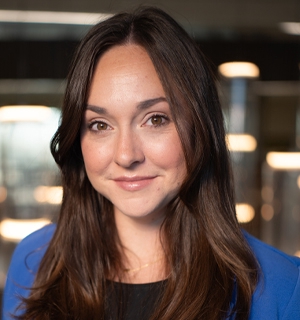
Cassandra Stevens
Aerospace Engineer at NASA Marshall Space Flight Center; Payload Communications Manager for the International Space Station
1
APPEARANCES
1
PODCASTS
Jul 22, 2026


Cassandra StevensGUEST
You can only be trained so much on how to handle anomalies during training.
Cassandra StevensGUEST
We have things we call simulations or sims where we train, go through like take a timeline for a day and go through different scenarios like, oh, how would you react to this happening or that happening? But there have been so many times on console where it's like things nobody would have expected.
Cassandra StevensGUEST
Or one thing we have to keep in mind on the science side is some of these payloads are brand spanking new.
Cassandra StevensGUEST
So it's working with your team, working with your payload developer, whoever, to be like, okay, here's what's happened.