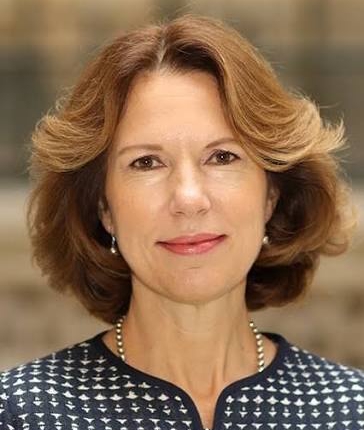
Caroline Wilson
Consultant breast and acute medical oncologist at The Christie NHS Foundation Trust, Manchester, and UK Acute Oncology Society secretary.
2
APPEARANCES
2
PODCASTS
Sep 25, 2026


Caroline WilsonGUEST
It was your good old fashioned chemotherapies that caused the toxicities that the patients are coming in with.
Caroline WilsonGUEST
Then if we go back to about five years ago, IO at that time in the whole scheme of AO was still only about 10% because we audited it across South Yorkshire and looked at how much was pure IO tox versus everything else that we give.
Caroline WilsonGUEST
So our tyrosine kinase inhibitors, our chemos, and AO was still only about 10%.
Caroline WilsonGUEST
And I don't think that percentage, I haven't looked at the data in the last year or so, but when I look at my acute oncology daily MDT data, It doesn't feel like it's hugely bigger than that.
Michael RoweHOST
And how do you see, on that note of people potentially deteriorating in the community and sort of being able to highlight that and do something about it to prevent admissions, how do you see acute oncology services coordinating or synergising with things like enhanced supportive care services, including things like managing people in virtual wards? And then on top of that, how we bring together, because it feels quite fragmented, it feels like, because things have happened so quickly, know there's immunotherapies come through but then there's now you know all of our androgen receptor pathway inhibitors there's parp inhibitors there's androgen adcs all of these new drugs new toxicities coming through so quickly no one can keep up and so we're kind of building bolting on great ideas i'm thinking specifically about a thing like immunotherapy toxicity services that some trusts will have set up as a standalone service separate to the acute oncology Is there an argument to try and bring all of this under one group or should it be remaining as this sort of bolt-on modular status that we currently run?

Sarah LipscombHOST
I think it universally turns people upside down, regardless of the severity of their trauma.
Caroline WilsonGUEST
I remember she had been in the hospital and I don't recall why she'd been hospitalized.
Caroline WilsonGUEST
There wasn't any evidence of her brain bleed at the time that they did the imaging.