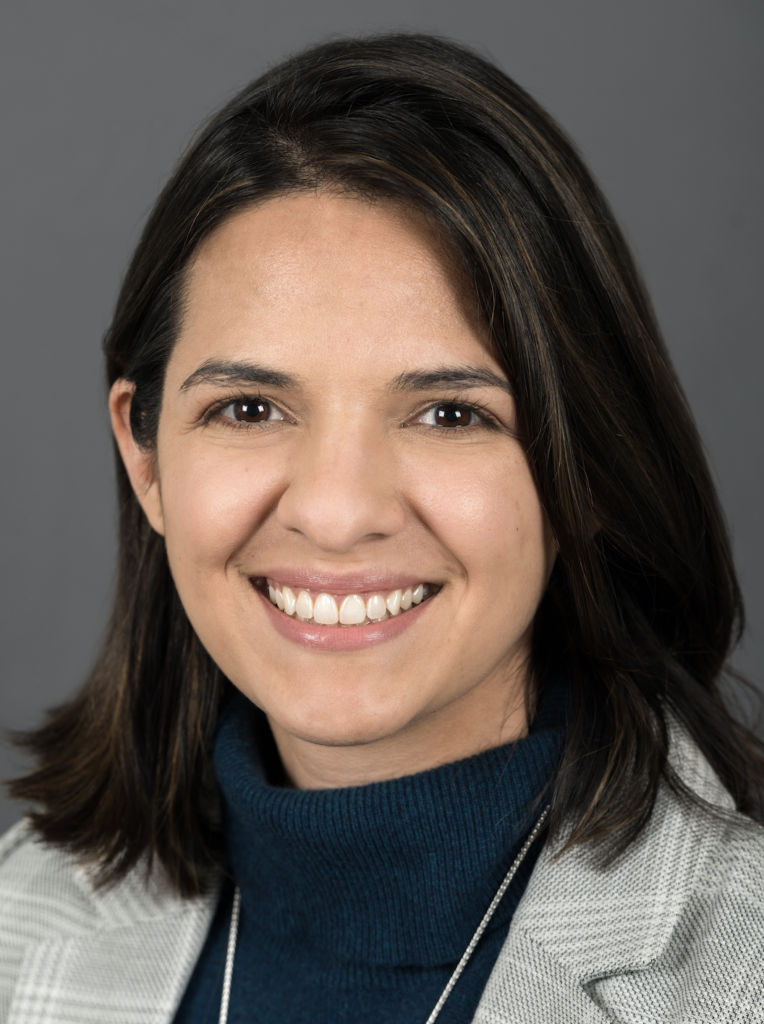
Caroline Dias
Assistant Professor of Developmental Pediatrics at University of Colorado Anschutz Medical Campus; attending physician at Children's Hospital Colorado; Principal Investigator studying neurogenetics of neurodevelopmental disorders.
1
APPEARANCES
1
PODCASTS
Jul 21, 2026


Caroline DiasGUEST
Yeah, um, and this kinda ties into the question of like what we, what we see often.
Caroline DiasGUEST
But, um, we're often doing evaluations for autism or other neurodevelopmental differences, and many times, not always, but, um, many times families will have something in their mind that happened very early on, um, that is kind of standing out to them.
Caroline DiasGUEST
You know, whether the kid fell from a shopping cart, or, uh, maybe at birth, you know, they needed a little bit of resuscitation.
Caroline DiasGUEST
Like, "Is this, is this why my child is different?" Or, "Is this what caused a, a differing pathway?" And while we don't necessarily have objective answers of the roles of specific events like that, overall I usually like to relieve parents' anxiety in saying that, "Yeah, that thing probably wasn't related," because we do know a lot now about how genetics kind of sets the blueprint for how the brain is developing, and then the environment can then shape how that kind of goes in the future.
Caroline DiasGUEST
Um, but even genetics isn't answer everything, right? So even kids with a genetic syndrome, for example, can present very differently.
7 MINS LATER
David BrumbaughHOST
If we have concerns about the environment and the support that parents have in this space of development in response to babies, what, what are the steps that you guys take in your practices in terms of referrals, uh, or, uh, perhaps connecting families to information that they can read, uh, about? How do you guys handle that? Caroline?