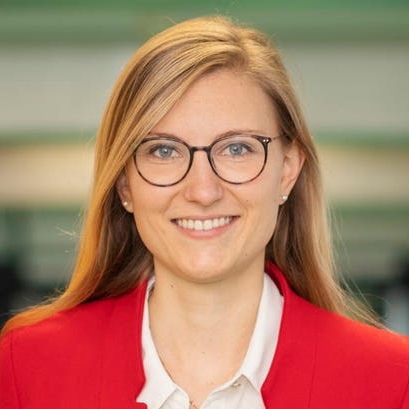
Carolin Schneider
Junior Professor for Prevention and Genetics of Metabolic Diseases at RWTH Aachen University; physician-scientist specializing in AI-driven tools for digital prevention and disease risk prediction.
1
APPEARANCES
1
PODCASTS
Jul 14, 2026


Carolin SchneiderGUEST
So actually, I was also quite s- quite surprised, especially also as I worked, uh, in genetics also in the past.
Carolin SchneiderGUEST
So especially about the finding that, uh, yeah, none of the single nucleotide polymorphisms that we included in the model showed up, um, in the top, uh, fifteen model in the end.
Carolin SchneiderGUEST
This was actually really surprising to me, and I think it points us in a good direction where AI can actually be useful.
Carolin SchneiderGUEST
Because if we can start with a quite complex data set, but actually for this particular type of cancer, find out in the end that routine parameters are actually enough to already stratify patients in high risk, I think that's quite interesting.
11 MINS LATER
