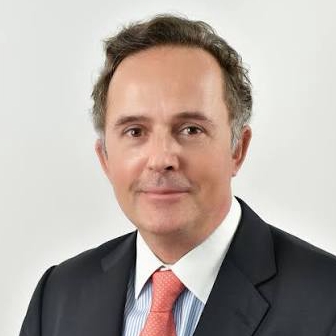
Carlos Grau-Tanner
Director-General of the Global Express Association (GEA), a Geneva-based trade association representing major express delivery carriers including DHL, FedEx, and UPS
1
APPEARANCES
1
PODCASTS
Jun 4, 2026

RobHOST
But is there a way now that things can still be fluid, even though we keep layering on additional requirements? Yes,

Carlos Grau-TannerGUEST
It takes technology, it takes a mindset, and it also takes regulatory changes inevitably, because you can have wonderful technology, but if your customs law says, ah, but I need a piece of paper with a handwritten signature in it, you can have all the blockchain in the world you want, but you cannot file that customs declaration or that piece of information.
Carlos Grau-TannerGUEST
through blockchain or whatever the case may be, or you cannot have an AI agent work out a simple customs declaration because it's not authorized to file it.
Carlos Grau-TannerGUEST
Now, one important thing is that in many supply chains, no one has all the relevant information or all the needed information.
Carlos Grau-TannerGUEST
The important thing, as we always say in our mantra, is to send the right information from the right source at the right time.
ArtieHOST
So before we move on to the, what Rob likes to call the scientific part of the segment, one thing hearing you speak and maybe partly answer this is I'd be curious to know what is one key takeaway you'd like listeners to take away from this interview from your perspective?