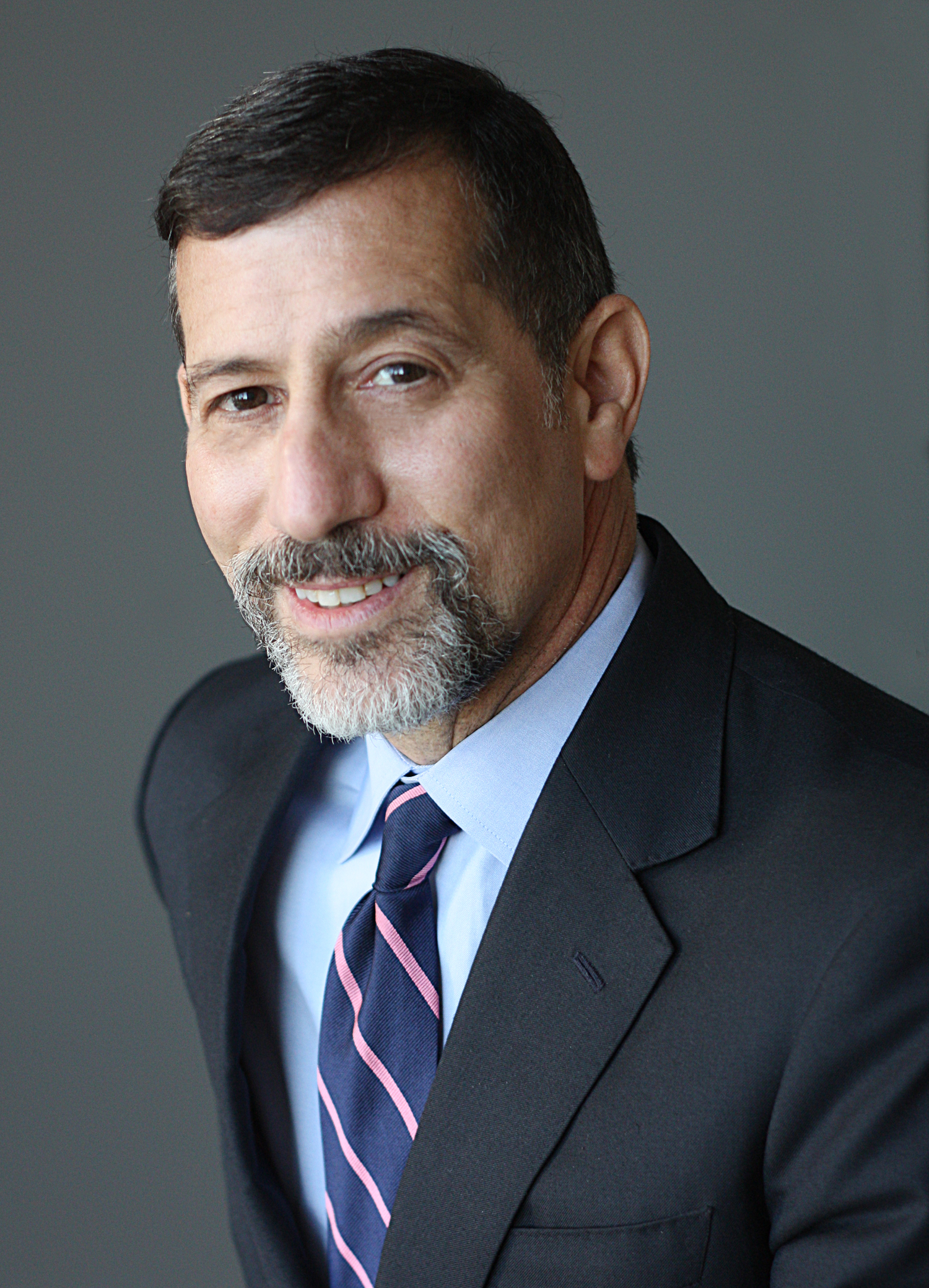
Bruce Hoffman
American political analyst
4
APPEARANCES
4
PODCASTS
Oct 19, 2026


Sara HarmouchGUEST
And Bruce can talk about the ISIS versus al-Qaeda type of branding when it came to the pilot as well.

Bruce HoffmanGUEST
Well, you know, to me, what's also been so interesting about this is we've kind of forgotten about the terrorist threat to commercial aviation and assume that it was yesterday's threat.
Bruce HoffmanGUEST
But when we think about it, we had a 10-year run from 2004 until 2014 when all terrorist attempts to target commercial aviation were thwarted, including the 2000 attack.
Bruce HoffmanGUEST
Six liquid bombs plot on flights from the United Kingdom to the U.S. And this is why we can't carry liquids in air, you know, carry on bags that are larger than three ounces.
Bruce HoffmanGUEST
But it was ISIS actually in October 2014 that broke that perfect record when using an insider at the Sharm el-Sheikh airport in the Sinai Peninsula, Egypt, planted a bomb on a Russian metro jet, a charter flight that was returning to Egypt.
Bruce HoffmanGUEST
And also twice in the past seven or eight years, al-Shabaab, which I would rank as al-Qaeda's least competent, at least technologically, franchise, has sent terrorists to undertake the same kind of training that the 9-11 pilot hijackers had undertaken before September 11th.
27 MINS LATER
Sara HarmouchGUEST
Yeah, it just requires, I think, very, very much increased vettings because how would you trust any, like, to fly? And the pilot has on his hands, he has lives of many civilians that should trust him when they're flying.


Karen GreenbergHOST
One is, what do we anticipate or what do we worry about in realistic terms, in terms of targeting? Are we thinking about targeting in particular with the United States? Are we thinking about US entities and individuals abroad? Are we thinking about, are people talking about, you know, some kind of attack against the United States now? Is it more just the global unrest around the world and the damage that can do in the short term and the long term? And as attached to this question is, how do we understand, you're going to like this one, how do we understand the relationship now when we talk about it between state and non-state actors, when we're talking about terrorist groups and their, you know, network?
Bruce HoffmanGUEST
You know, September 10th, 2001, I would have told you we'd have more warning and more indication that, I mean, this is from a layman's perspective, not from the heart of the intelligence community, because, of course, President Trump...
Bruce HoffmanGUEST
Bush was briefed August 6, 2001, bin Laden ready to attack the United States.
Bruce HoffmanGUEST
But I think even in the U.S. government, in the White House back then, we thought we'd have more warning and more indicators before al-Qaeda was going to cross that line and attack the U.S. I'd like to think today... another 9-11 attack would be very difficult to pull off.
Bruce HoffmanGUEST
Although one has to say that twice in the past eight years or so, members of Al-Shabaab, the group I just described, the Al-Qaeda affiliates in Somalia, that's probably the least technologically proficient, has sent two of its operatives to undertake the same sort of flight training lessons that the 9-11 hijacked pilots had.

Michael IsikoffHOST
I mean, should we be sounding the alarm quite as loudly as you are, given... you know the lack of evidence of that al-qaeda can even pull off um a mass casualty event such as 9 11 today

7:27

I mean, what do we take away from this milestone? What are the lessons learned? What are the lessons maybe that we have yet to learn?
Bruce HoffmanGUEST
Thinking back to the immediate aftermath within months after the 9-11 attacks, firstly, I think everyone expected there would be another attack or another wave of attacks.
Bruce HoffmanGUEST
We know al-Qaeda was planning them, Khalid Sheikh Mohammed, the architect of 9-11. had a plot to crash an airplane in a similar way into an iconic skyscraper in Los Angeles.
Bruce HoffmanGUEST
It was, of course, the shoe bomber incidents that fortuitously didn't amount to anything.
Bruce HoffmanGUEST
So I think everyone expected in the aftermath of 9-11, when's the next attack? And it's really a towering achievement that we've gone a quarter of a century away without any major or significant terrorist attack occurring in the United States.
Bruce HoffmanGUEST
And with only one attack, the 2019 shooting at Naval Air Station Pensacola, where three sailors and eight others were tragically wounded, is the only evidence of a successful foreign-directed, plotted, planned terrorist attack materializing.
10:49
Do you think we're still at a place now where it's a constant that the system's blinking red every day? Or do you think that the overall threat of jihadism is diminished even if it's not gone?


Bruce HoffmanGUEST
Well, like many episodes of contemporary affairs in history, Britain's rule of Palestine began on an extraordinarily optimistic and happy note.
Bruce HoffmanGUEST
I mean, you have to go back to World War I, where there had been several thrusts by the Egyptian expeditionary force, which was the British-led force attempting to liberate the Holy Land.
Bruce HoffmanGUEST
And then General Sir Edmund Allenby, a failed commander on the battlefields of the Western Front in Europe, is reassigned to what he thinks is a demotion or a career stopper.
Bruce HoffmanGUEST
To take over, to take the reins of the Egyptian expeditionary force, because obviously the British were based in Egypt then.
44 MINS LATER