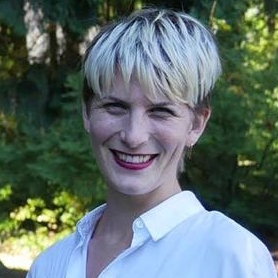
Bronwyn Bragg
Assistant Professor of Geography & Environment at the University of Lethbridge; human geographer studying migration, precarious work, and refugee integration in Canada.
5
APPEARANCES
5
PODCASTS
Oct 13, 2026


Saima DesaiHOST
Why is the UCP pushing this idea that immigrants need to be charged a fee for using public services?

Bronwyn BraggGUEST
So this is really a little bit nuanced and complicated, like, why are they doing it would be a good question for them.
Bronwyn BraggGUEST
I argue in the report that this is really about shifting responsibility onto migrants, so it's a s- a strategy of scapegoating, not unique to Alberta, certainly not new, but a kind of age-old strategy of blaming outsiders, blaming others for the social and economic political challenges that we're facing as a province.
Bronwyn BraggGUEST
So there's, there's a perception that this is, like, immigrants or refugees or whoever people kind of imagine as, like, others who are f- newcomers from outside are taking up all of our healthcare and our education and-... on our social services.
Bronwyn BraggGUEST
But what, if you read these questions carefully, they're actually specific to temporary residents, and so the premier has called them most recently guest workers.
Bronwyn BraggGUEST
Um, the emphasis on their temporariness in the province is kind of foregrounded here.
Saima DesaiHOST
Can you tell me a little bit more about the ecosystem of these myths in Alberta and the relationship between these ideas being put forward within the Alberta government and outside of it?

Bronwyn BraggGUEST
I, I think I just wanna step back and, and sort of s- like s- try to like frame out like what is the problem that this question is trying to address, right? So, I mean, it's a three-part question, as you articulate, so there are sort of maybe three problems put into it.
Bronwyn BraggGUEST
But the first is this idea of increased control over immigration, suggesting that immigration is out of control.
Bronwyn BraggGUEST
And as I identify in the Parkland report, um, this is, uh, not really supported by evidence in the sense that the provincial government's kind of effort to take more control over immigration is aligned with the current posture of the federal government, which has become much more restrictive around immigration.
Bronwyn BraggGUEST
And that has resulted in declining immigration levels numbers, declining number of temporary residents.
Bronwyn BraggGUEST
So that's kind of like the first piece to be aware of, is like the whole premise for this referendum is that we are living in a period of, quote-unquote, unchecked migration or, quote-unquote, open borders, um, that like sort of l- started under Trudeau and have continued into the present.

Jenny YeremiyHOST
So first of all, I'd ask you, is this government overreach? Is this outside of the Alberta government's jurisdiction?


Bronwyn BraggGUEST
Uh, well, in the report, we go through some of the most problematic elements of the questions, and I think, you know, question one, which you just read, is a really good example of some of the, the highly problematic underpinnings of these questions, which are...
Bronwyn BraggGUEST
This one, we- if we just look at it in a little bit more detail, the government suggests that Albertans are to vote on whether we support the government taking increased control of immigration for the purposes of decreasing immigration.
Bronwyn BraggGUEST
Immigration is a shared jurisdiction between the federal and the provincial government, but a lot of Alberta's population growth that's come through immigration is what we call secondary migration.
Bronwyn BraggGUEST
So this is when someone arrives in another city like Toronto or Vancouver and then decides to move to Alberta.

Saima DesaiHOST
So can you tell me what you know about what the organized resistance to the anti-immigration questions is? and the sort of overall climate of anti-immigration sentiment looks like in Alberta?
Bronwyn BraggGUEST
I just want to dial in on one thing you said and then get back to the kind of resistance to this.
Bronwyn BraggGUEST
It kind of feels like we're living in the upside down here sometimes because on the one hand, we're having this referendum and the provincial government is telling everybody that we're living in this period of unsustainable, unchecked migration over quote unquote, open borders, like that is the language of the premier.
Bronwyn BraggGUEST
At the same time, most of us engaged on questions of immigration are looking at what's happening federally.
Bronwyn BraggGUEST
And it is a period, like I said earlier, of intense contraction and actually limiting services and supports for newcomers broadly, like cuts to settlement programs, cuts to language programs, but also to migrants, specifically hearing meaning temporary foreign workers, international students, We've seen through Bill C-12 that was brought in by Carney earlier this year, the real restrictions on asylum seekers.
Bronwyn BraggGUEST
And we've seen increased collaboration, ironically, between the federal government and provincial services.
12 MINS LATER

Bronwyn BraggGUEST
So you've got your mix of like small so-called ethnic businesses, right? Like Lebanese grocery stores, tons of Vietnamese food, kebabs, a lot of liquor stores.
Bronwyn BraggGUEST
And so Forest Lawn also has among like the highest density of service provider organizations, like things like food banks.
Bronwyn BraggGUEST
supports for people who live in low income, for single parent families, language programs like training, that kind of thing.

Andrea HuangCORRESPONDENT
Bronwyn Bragg, the immigration expert, she thinks the questions around restricting access to social services miss a key fact about a majority of these people.