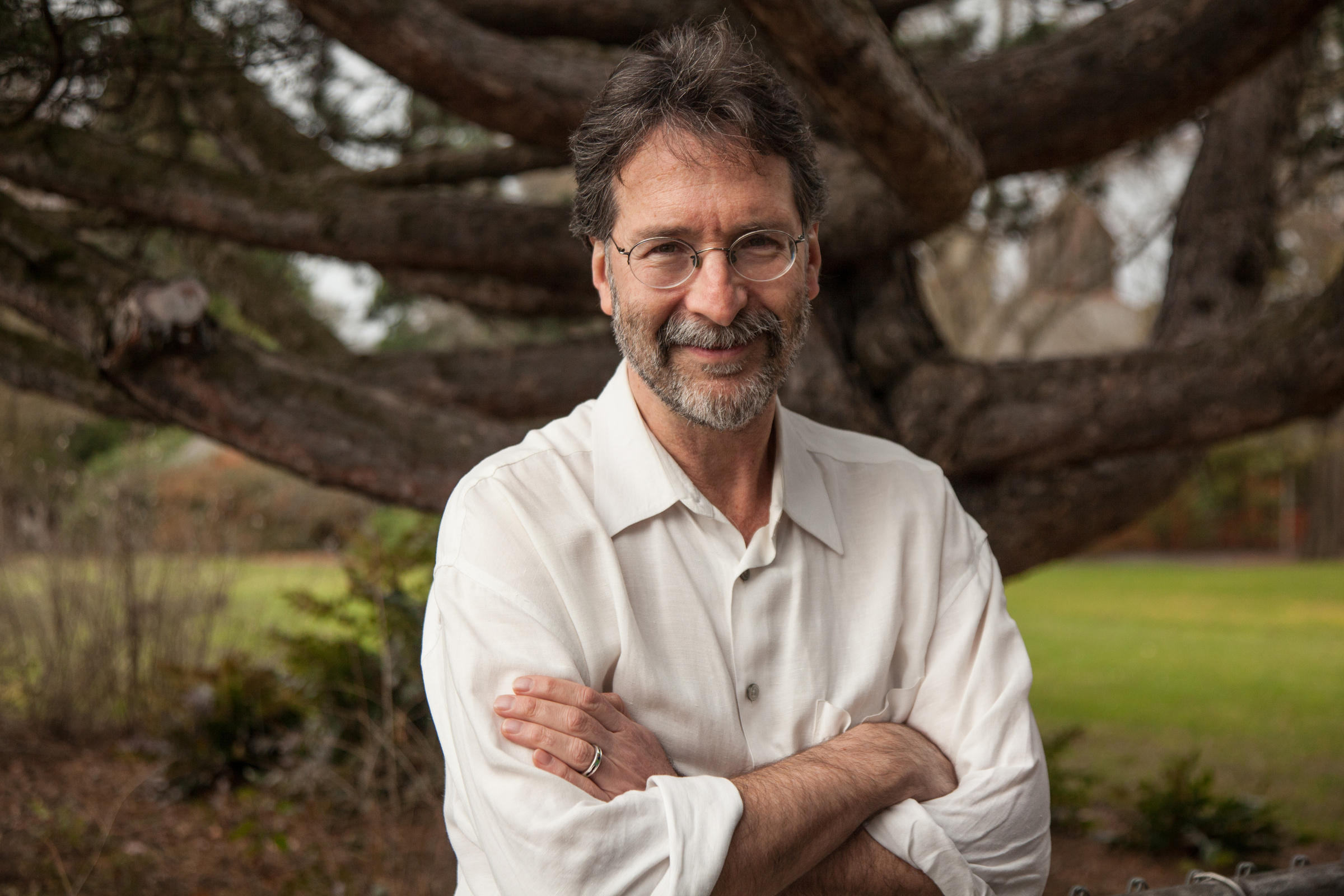
Brian Doyle
American writer
5
APPEARANCES
5
PODCASTS
Oct 19, 2026


Brian DoyleGUEST
You know, in order to successfully do an AI project, you really need to meet with different business leaders out in the world.
Brian DoyleGUEST
Let's start a step back to figure out what you want to do with the company as an AI project.
Brian DoyleGUEST
You have to meet with the different business leaders and you're going to find different tasks they have that could be AI ready.
Brian DoyleGUEST
More than likely, you're going to sit down with a company and probably come away with anywhere from eight to 12 different projects that are AI ready.
Brian DoyleGUEST
But then you got to be ruthless and really say which ones of these are going to give the biggest value realization up front.
Brian DoyleGUEST
And that's the ones that we need to focus on as possibly the top three in the pipeline.
speaker_0NARRATOR
But then


35 MINS LATER
HannahHOST
So with that being said, I'm going to give it to Brian.
Brian DoyleGUEST
Through God's grace and the program of Alcoholics Anonymous and sponsorship, I've been sober since December 3, 1994.
Brian DoyleGUEST
You know, I got to Alcoholics Anonymous by way of a psychiatrist, by way of Al-Anon.


Steve MikstaHOST
So kinda in looking at this with AI, like how, how has your role in all of this changed in the last couple years, six months, three months, right? I mean, everything's moving so quickly, but what's changed in, in that process, and how does AI amplify this or complicate this or all the above?
Brian DoyleGUEST
It simplifies and it complicates at the same time, uh, depending on the perspective.
Brian DoyleGUEST
So in terms of simplification or assistance to us, we have, uh, projects now that used to take three people and we can run them with one person because AI is doing a lot of the analysis that would require a human to really crunch numbers and see what's going on, and that's not really where the value was being added anyway.
6 MINS LATER
Steve MikstaHOST
Like, were there specific moments where you were like, "Hey, I..." Like, "This is a real problem, and I think I'm capable of, of solving it," or, or what led you down this path?


Brian DoyleGUEST
I think the first one I heard, uh, was, uh, Carl Bernard as, uh, Paul Temple in, uh, Paul Temple Intervenes, and we used to, uh...
Brian DoyleGUEST
I always remember the villain in that turned out to be a rather pleasant young man called Roger Story, who evaded justice at the end by throwing himself through a plate glass window on, like, the sixth floor of a hotel.
Brian DoyleGUEST
And the following day at school, we were saying, "But how could he throw himself through...
Brian DoyleGUEST
He couldn't do it." And then somebody else would say, "Well, perhaps he threw a p- big ashtray and broke the glass before he jumped through." And we'd discuss all the- the- the details.
11 MINS LATER
Brian DoyleGUEST
John Bentley was a good, competent British actor, famous for wearing his white raincoat.


Mackenzie LaneHOST
Kind of jumping ahead to whenever we as future CRNAs are actually in the workforce, how does transitioning from a W-2 employee to a 1099 independent contractor change our malpractice responsibilities? Do we have to change insurance or what does that sometimes look like?
Brian DoyleGUEST
And it's one, I mean, a lot of times we're seeing now students when they graduate going right to 1099 work much more so than they did in the past.
Brian DoyleGUEST
So if you're a W-2 worker, the hospital, the group, whatever facility you're working at, typically it provides the malpractice coverage for you.
Brian DoyleGUEST
If you have something go wrong, they'll coordinate your legal defense, and they might pay for what's called tail coverage.
19 MINS LATER

Lisa KiskaGUEST
So that can be kind of a dangerous thing, actually, even though it sounds like more money better, it could be a problem.