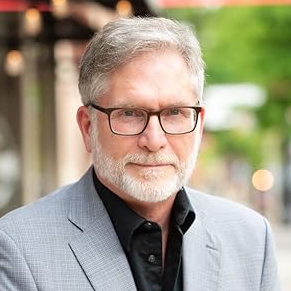
Brian Ahearn
Chief Influence Officer at Influence PEOPLE, faculty member at the Cialdini Institute, and author specializing in the ethical application of Cialdini's principles of influence.
4
APPEARANCES
4
PODCASTS
Oct 7, 2026


Brian AhearnGUEST
Well, the first step, uh, as I mentioned, was that question that my daughter asked.
Brian AhearnGUEST
And, and as we had that conversation, and, and I remember telling her a couple things.
Brian AhearnGUEST
If I do something kind for you, Jason, you've, you probably feel a sense of obligation to want to do something for me, or if I needed a favor, you'd be more apt to do it because I helped you first.
Brian AhearnGUEST
Well, Jesus said it's better to give than receive, right? And, and do unto others as you would have them do unto you.
Brian AhearnGUEST
You're not waiting for them, you're taking the proactive stance, is reciprocity.

Brian AhearnGUEST
Well, if you're within the organization, one of the things that you need to do day one, before you even know what it is that you are going to be shooting for, and some of those things that you're going to shoot for in five years may not even be around because technology is changing organizations so rapidly.
Brian AhearnGUEST
But going back to the branding, creating a presence, being somebody who is reaching out to people, you're likable, you're starting to get a reputation.
Brian AhearnGUEST
When it comes to the opportunity, I made a transition in my career from what was underwriting into the sales area.
8 MINS LATER

Vered KoganHOST
Can you share with us how they can leverage the principles of influence to get better results?


Frank AginHOST
Can you share with our listeners, I've heard it, but share with our listeners how you got to this place, your so-called story.
Brian AhearnGUEST
Well, when I worked for State Auto Insurance, I had been involved in sales training for quite some time.
Brian AhearnGUEST
And a former co-worker, somebody who had been in our department and was still with the company, was studying for her master's at Ohio State and came down and gave a video to my boss and I.
Brian AhearnGUEST
And he was talking about non-manipulative ways to move people to behavior, how to influence them.
11 MINS LATER
Frank AginHOST
um well this is a good lead-in i always do this in the middle contact info i want to get that contact information and then i want to kind of talk have you talk a little bit about the services you offer the things you do with companies out there so why don't you start with your contact information and then we'll kind of dovetail into the things you do

Brian AhearnGUEST
He's lost in thought, and seemingly out of nowhere, right in front of him, is this Boy Scout who says, "Hi, would you like to buy some tickets to the Boy Scout circus? They're only $5 apiece." Cialdini politely said, "No, thank you." But before he could get away, the little boy did something significant.
Brian AhearnGUEST
He said, "If you can't do that, would you buy some of our chocolate bars? They're only a dollar." Bob pulls out two bucks, gives it to the boy, starts to walk away, and then he stops, and he thinks, "I don't like chocolate, [laughs] but I do like dollars, and he just arranged for me to give the dollars I like for the chocolate I don't.
Tim HoulihanHOST
Then with a separate group of students, the researchers started with this question.
Brian AhearnGUEST
We're looking for people who'd be willing to be a big brother or big sister to some juvenile delinquents in need.
Brian AhearnGUEST
Now, we typically ask people to sign up for a period of two years, and it's a two-hour-a-week commitment.