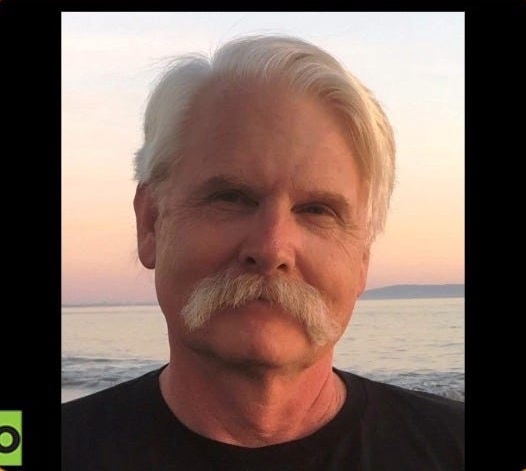
Bob Voeks
Professor of Geography at California State University, Fullerton; ethnobotanist specializing in African diaspora botany and medicinal plants.
1
APPEARANCES
1
PODCASTS
Jun 1, 2026


Cassandra QuaveHOST
I guess, are there different roles that they play? Are they important in different, um, sacraments or celebrations or music? Like, how, how are they used?

Bob VoeksGUEST
Um, and every, every deity, and there's usually about, there's about 16 of them, um, each deity has his or her own personal pharmacopeia of plant species.
Bob VoeksGUEST
And you, as an adherent to Iansã or Yemojá or Oshosi, and you're having, you're having spiritual problems.
Bob VoeksGUEST
Now, if you're having a cold or the flu, that's a different thing, but if you're having spiritual problems, and a lot of these end up being, like, mental disturbances and depression, things like that, you'll go in, and the Mãe de Santo, the Mother of Saints, and as I say, it's, it's usually the, the hierarchies, usually women, um, they will prescribe four or five leaves that either she will go out and collect or send you to the, the wet market to pick.
7 MINS LATER
Cassandra QuaveHOST
Um, how does food play a role in Candomblé, and what African plants are important in that?