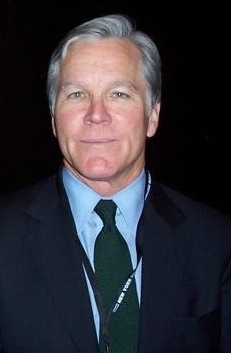
Bill Keller
American journalist
3
APPEARANCES
1
PODCASTS
Oct 19, 2026

Charlie RoseHOST
Assess what you found out about that, the idea that somebody can get their hands on either a nuclear weapon or a tactical nuclear weapon and explain the difference.

Bill KellerGUEST
There are the strategic weapons, which are the big ones, the ones that Bush and Putin just signed another treaty to regulate.
Bill KellerGUEST
history of arms control has been aimed at regulating those weapons, the ones that could go halfway around the globe and destroy a country.
Bill KellerGUEST
And then there are tactical weapons, which are generally smaller, intended for battlefield use.
21 MINS LATER

Bill KellerGUEST
And in fact, a couple of years ago, one Treasury official testified that they were delighted to report that, uh, that they had scared terrorists away from using the banking system a- a- a, by monitoring them so closely that now terrorists were forced to fall back on much more cumbersome and inefficient methods of transporting their cash.
Bill KellerGUEST
The other argument was a political one, that, uh, that to some extent the operation of this program depends on the cooperation of bankers, uh, uh, including bankers who are, uh, Europeans in, uh, uh, in other countries, and that if this program saw the light of day, some of those people might, uh, feel embarrassed before their shareholders or customers and feel that they needed to withdraw their support.
8 MINS LATER
Bill KellerGUEST
Uh, I have, uh, a large staff of people who work for me, uh, who, uh, are not, uh- ... frivolous about this kind of matter, who are not, uh, un-American, uh, who are in fact not agnostic or neutral in the war on terror.
Charlie RoseHOST
Kyoto, down the line, and then all of a sudden comes September 11th, and all bets are off because we need help in the most dramatic challenge to the United States in a long time.
Bill KellerGUEST
I mean, by the time that Powell was tasked with resolving the first real international crisis of the Bush administration, the EP3 plane incident over China, he was clearly a player.
Bill KellerGUEST
figure he made that happen with in terms of being the diplomatic that was a diplomatic victory it was not a it was not a hawk versus dove thing that was just old-fashioned diplomacy and it led to a real opening in the relationship with china that that president bush has charged right through um and on some of the the things that started out early on looking like humiliations for for powell uh for example a lot of the noise in the early days of the bush administration about Bosnia and Kosovo and whether we wanted to pull out of there.
Bill KellerGUEST
Powell's line was, we went in with the allies and we're going out with the allies.
10 MINS LATER