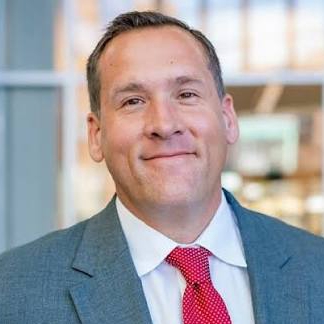
Ben Duda
Emergency Manager for the Deschutes County Sheriff's Office in Central Oregon.
3
APPEARANCES
1
PODCASTS
Sep 2, 2026


Eric BreonHOST
So who ultimately makes the decisions when it comes to changing evacuation levels in a wildfire?

Ben DudaGUEST
Yeah, the past year we actually saw kind of two different types of ways evacuations can happen.
22 MINS LATER
Eric BreonHOST
How did the alerting process work for you and your team during, say, the Akawa Butte fire? Because not every emergency needs the same kind of notification.
Ben DudaGUEST
Like Chris alluded to is, you know, we solve so many problems in Deschutes County at a very, at a micro level, and maybe it's just a deputy or search and rescue volunteer or fire department personnel, just knocking on a door that's next door to the incident with whatever's going on and solve a lot of problems on that small scale.
Ben DudaGUEST
And then, and as it expands, you know, those, we start looking at needing to move other people out of the way or just notify them to, to take some sort of action and, Those decisions sometimes happen very rapidly.
Ben DudaGUEST
And so in the initial steps of an incident, as it grows, those level threes or those go nows are probably going to be some of the first things that you're going to see.
Eric BreonHOST
there a, is there a scale for these notifications? Because I always wonder, are you, are you, are you starting with the door knock and then you're moving to, you know, the siren and then you're moving to, to shoot alerts and then you're moving to something bigger, broader, perhaps like the, the wireless emergency alert that you get on your phone.
Ben DudaGUEST
I, I, I think they are, but, but you know, it's one of the principles of the incident command system and that all of the agencies work in and it's a national level thing.
Ben DudaGUEST
And, you know, you go back to your priorities of protecting life and property, firefighters, the public, the infrastructure.
Ben DudaGUEST
You start focusing on those small points and you're building off of there and doing what you can to stabilize the incident and form all those people around it and take advantage of those opportunities.
22 MINS LATER