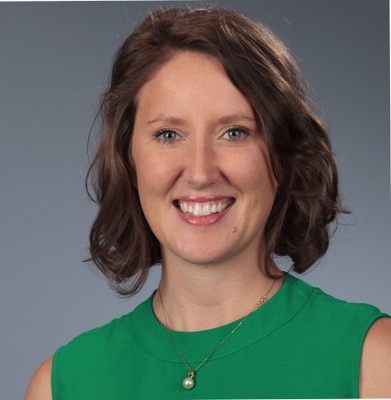
Belle Casement
Senior Associate Environmental Scientist at Terravale Consulting; risk assessor and contaminated land consulting expert with nearly 20 years of experience.
1
APPEARANCES
1
PODCASTS
Jun 4, 2026


Belle CasementGUEST
There's so much variability for environmental sampling that it is really hard to, to work out exactly where any discrepancy is coming from.
Belle CasementGUEST
And then you transport, and then you take it to the lab, and the labs have their own procedures and processes that add more uncertainty and more variables in at each time.
Belle CasementGUEST
I still think that when you get that bad, that duplicate though, and you look at the data, that there is value in it if you can do the interpretation correctly.
Belle CasementGUEST
You're right in that you won't be able to pull back and say, "Well, this has definitely come from a bad extract in the lab," or poor homogenization there, or, "I got a bit of metal in my sample," whatever, so it's all over the place.
Belle CasementGUEST
Sometimes you can pick it apart a little bit more, but I still think that if people were better at looking at their data, then they would find more value in it.

James HammondHOST
... drill a bit deeper on that one? What do, what do you actually mean by how we interpret that?