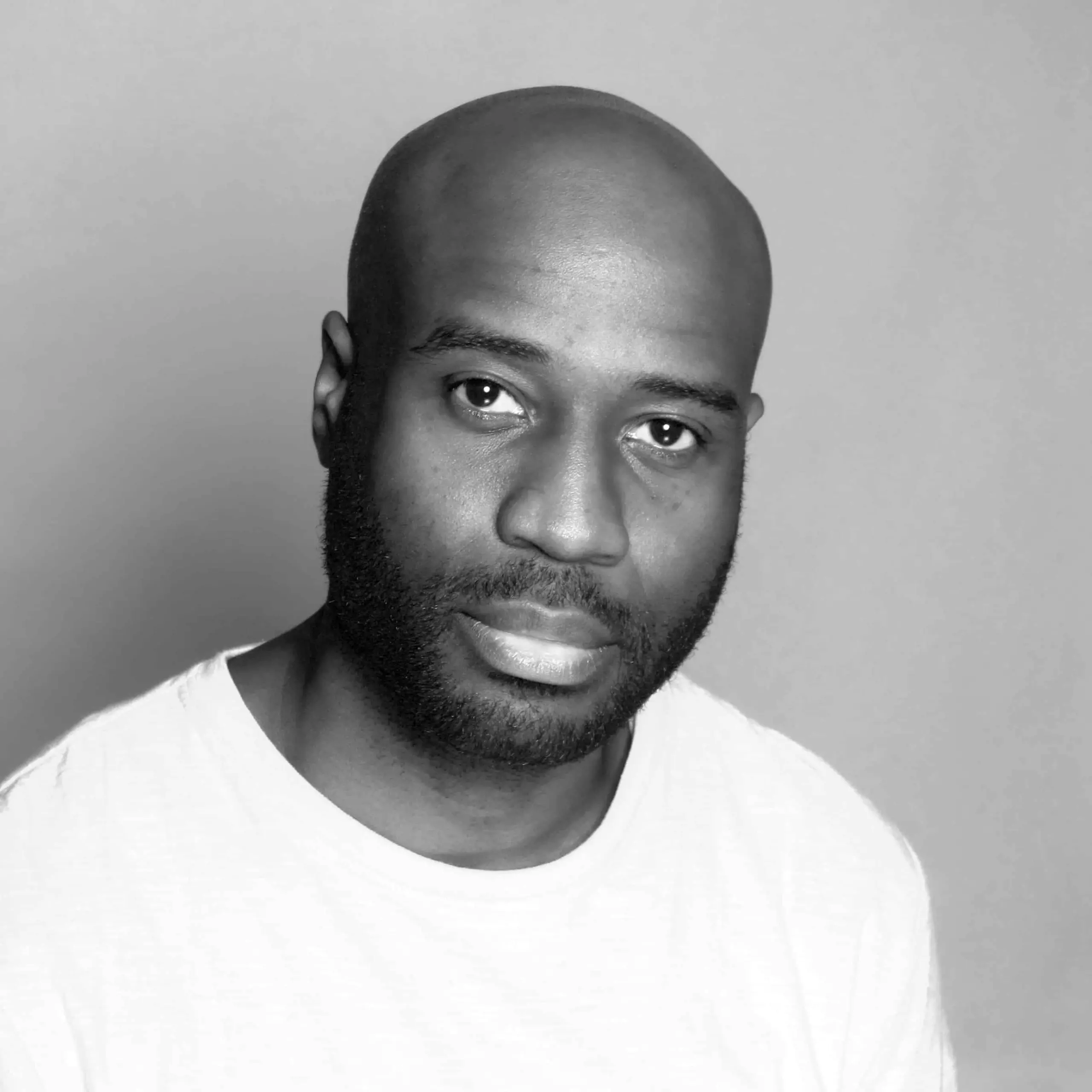
Bayeté Ross Smith
American multimedia artist
3
APPEARANCES
1
PODCASTS
Oct 20, 2026

Marcius ExtavourHOST
So my question finally to you with that long windup is what are the parallels or is this maybe not a great analogy between the use of the transaction and the exploitation that came around sugarcane, cotton, and tobacco and the modern metal situation? Do these situations rhyme? Are they on different axes? How do you compare and contrast those?

Bayeté Ross SmithGUEST
Yeah, I think those things are related as precious commodities that are, you know, essentially natural resources.
Bayeté Ross SmithGUEST
And that is somewhat what I had in mind, you know, as I developed the sugar cane and cotton and tobacco boombox sculptures.
Bayeté Ross SmithGUEST
And that was part of why I wanted to create them in multiple continents around the world, specifically North America and the Caribbean, South America, Africa and Europe.
18 MINS LATER
Marcius ExtavourHOST
How do you think that mixes with some of the concepts you think about with identity and expertise?
Bayeté Ross SmithGUEST
It's a fascinating challenge, dare I say dilemma, to navigate because a lot of the historical biases and inequities that we have still not addressed manifest themselves in how technology functions, how it's created and how it functions.
Bayeté Ross SmithGUEST
So a lot of the same historical biases that have been huge issues throughout humanity, particularly bias based on visual appearance, are going to show up.
Bayeté Ross SmithGUEST
And what's really troubling about things like facial recognition software and all the different ways we're photographed and those images are processed by AI, artificial intelligence, is that so many people, such a large portion of our population, even in the United States is still unwilling to acknowledge that these issues exist.
Bayeté Ross SmithGUEST
And so they will persist in the technology that then is playing a role in defining us and defining us publicly and defining us publicly, not in the sense of your daily life and the people you interact with, but what certain institutions, including the government and also most likely non-government institutions, have archived as your identity.
speaker_5UNKNOWN
You can get that in a
Bayete Ross-SmithGUEST
scientific form, but it doesn't relate to how people understand and connect these issues with their daily lives.
Bayete Ross-SmithGUEST
Today has been a very good day because I've been able to bring this project into the community in a very accessible way where it's around a variety of different community members.
Bayete Ross-SmithGUEST
People who might typically engage in the arts, but also people who may not normally have an opportunity to engage with artists like me, with work like mine.
Bayete Ross-SmithGUEST
And anytime I get to make the arts and media accessible with a daily lived experience, that's important because that makes it feel like something that belongs to the people.
Bayete Ross-SmithGUEST
And then it's also been great to engage in all these different conversations that a piece like this evokes.
Bayete Ross-SmithGUEST
So talking about what this is made of, what it looks like, the thematic elements leads us into a bunch of other conversations that are productive about climate change and beyond, similar to the conversation that we've been having.
10 MINS LATER
Marcius ExtavourHOST
First of all, do you agree with that? Second of all, whether you do or don't, how do you see that issue and what's a way to move that forward?