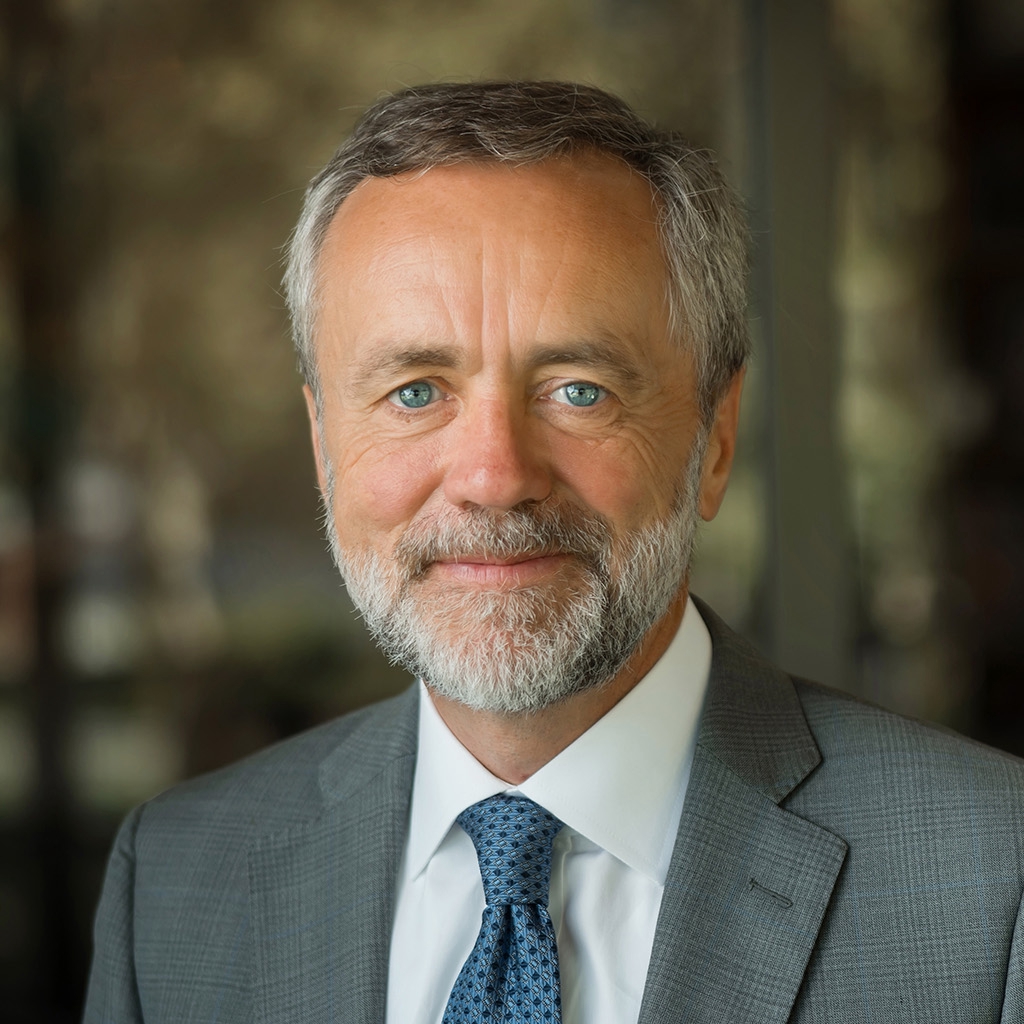
Barry Corey
President of Biola University since 2007, author of Love Kindness and co-author of Necessary Burdens.
9
APPEARANCES
6
PODCASTS
Nov 20, 2026


Barry CoreyGUEST
It could be the senior pastor of a church, president of a university, senior partner of a law firm, owner of a company, a family business, whatever.
Barry CoreyGUEST
There is one person at the top of that chart that has – and this is the point – that person has no peer.


Ryan FranklinHOST
Which burden that you wrote about, which one hit you the hardest and how did it shape the leader that you are today?
Barry CoreyGUEST
And I have been thinking recently, Ryan, that burdens are not evidence that you are weak.
Barry CoreyGUEST
These burdens that we bear are really a demonstration that the work that we do matters.
Barry CoreyGUEST
And so in this book, I lay out 14 burdens that those at the top of an organization face.
Barry CoreyGUEST
yeah and and yeah they are i mean i've got i've got you know spiritual accountability brother that i pray with and i have for you know the last every week almost without exception for the last 25 years and we'll do it again tomorrow morning's friday um so i mean i've got then my certainly my relationship with my wife paula is beautiful there's nothing about me that she doesn't know or i wouldn't tell her i mean just i mean but um this accountability partner that i pray with or even my wife paula they they haven't been presidents And so I had been in the role, Ryan, about a year or two, and I went to these seminars for presidential leadership.
Barry CoreyGUEST
And we had these sessions on how to put together a leadership team and how to do fundraising and strategic planning and proposing a budget and legal issues of higher education.
Barry CoreyGUEST
And I'm going like, well, where's the session on like how not to get divorced and how to make sure your kids still love you and how to maintain your spiritual life.
Barry CoreyGUEST
And, you know, like, what do you do about like, like, like taking care of your, your, your physical well, well-being and they were, they were, they weren't happening.
Barry CoreyGUEST
And so one of our, my friends who was a president of another institution had a family crisis with a child who passed away.
Ryan FranklinHOST
I went to his school, executive coaching school, So why did the partnership with Dr. Townsend really matter in this? What did his voice bring to the table that you felt was so valuable in this book?
Ryan FranklinHOST
What did you mean by that? What does that phrase capture? Why does that phrase capture something that most people get wrong about what it means to lead?
Barry CoreyGUEST
It was actually a phrase that I heard one of my mentors say once or twice or maybe more a long time ago who invested in me.
Barry CoreyGUEST
It does sound like an oxymoron, you know, jumbo shrimp, two words that are together that don't seem like they go together.
Barry CoreyGUEST
And one of the reasons why John Townsend and I wrote this book was for those, and there are leaders of organizations, large and small, new and well-established.
6 MINS LATER

Barry CoreyGUEST
And those who are in leadership that kind of understand it as more of building a team and a community than building a pedestal for yourself, there's something beautiful about that.
Barry CoreyGUEST
that is kind of what this book gets at and that is that there is something there's something about top-tier leadership that exposes you to these weights and you know, obviously what we call burdens that you otherwise wouldn't experience and the the the agony are these burdens but the splendid dimension is like these burdens can empower you they can make you better leaders they can make you truer friends they can make you uh then give you this like like internal fortitude that but you need to know how to how to really steward uh those burdens i i basically say in the book like you want those burdens to go away uh they'll go away uh as soon as you quit your job or as soon as you're you know shown the door whatever it might be they do go away but But they don't go away as long as you're in this role.
9 MINS LATER

Darren ShearerHOST
But then when you stop and think, I think Biola probably has, I don't know how many hundreds of uh maybe over a thousand employees i don't know um but but what a burden and and no now knowing that you know you don't just get uh uh speak for yourself but you're speaking on behalf of in many ways everyone that has has signed on to join the team there at biola


Jim DalyHOST
So I guess for you, uh, Dr. Corey, at Biola, and, you know, representing Christian higher education, what are the things that keep you up at night?
Barry CoreyGUEST
There is a, an instability in our culture, and, you know, for us, it comes back to, you know, what is really enduring and lasting, and we see that as God's truth and His Word in His world.
Barry CoreyGUEST
Students are, uh, are distracted With so many, um, uh, devices and temptations to lead them in this direction or that direction, I think students are disillusioned in, in many ways.
Barry CoreyGUEST
And I see that in kind of coming here and, you know, wondering, like, what, how do we live Christianly in, in a world where it's, it's so hard? And I think students can come here with some distortions on, you know, the way God intended things to be with, with sex and sexuality and, and marriage and life and, and what justice is and, and what does it mean to live a life that's counter-cultural.
Barry CoreyGUEST
And so we inherit these 18-year-olds, and, and our responsibility is to take them to the next level of their faith and form them in a way that they're ready for when they, when they leave Biola.
14 MINS LATER


Philip DearbornHOST
So I'm curious, you said th- so do you see distinct stages in your presidency at Biola?
Barry CoreyGUEST
Um, when I came here, this is not everybody's story, when I came here, I was the first external president.
Ryan FranklinHOST
Which burden that you wrote about, which one hit you the hardest? And how did it shape the leader that you are today?
Barry CoreyGUEST
And I have been thinking recently, Ryan, that burdens are not evidence that you are weak.
Barry CoreyGUEST
These burdens that we bear are really a demonstration that the work that we do matters.
Barry CoreyGUEST
And so in this book, I lay out 14 burdens that those at the top of an organization face.
8 MINS LATER
Ryan FranklinHOST
What did you mean by that? Why does that phrase capture something that most people get wrong about what it means to lead?

Barry CoreyGUEST
I just look back and as I talk to leaders, I just see many of them that are just kind of feeling the angst of the burdens that they face, the realities of leading an organization.
Barry CoreyGUEST
So this book, I describe 14 distinct burdens that those at the top of an organization experience, not those at lower levels, but those are at the top.
Barry CoreyGUEST
You could be the mayor of a city, the president of a university, the lead pastor at a church, a senior partner in a law firm, you know, CEO of a Fortune 500 company, general of a military unit, whatever it might be, the one individual at the top of the organization, big or small, public or private, has these existential burdens that no one else fully understands.
24 MINS LATER