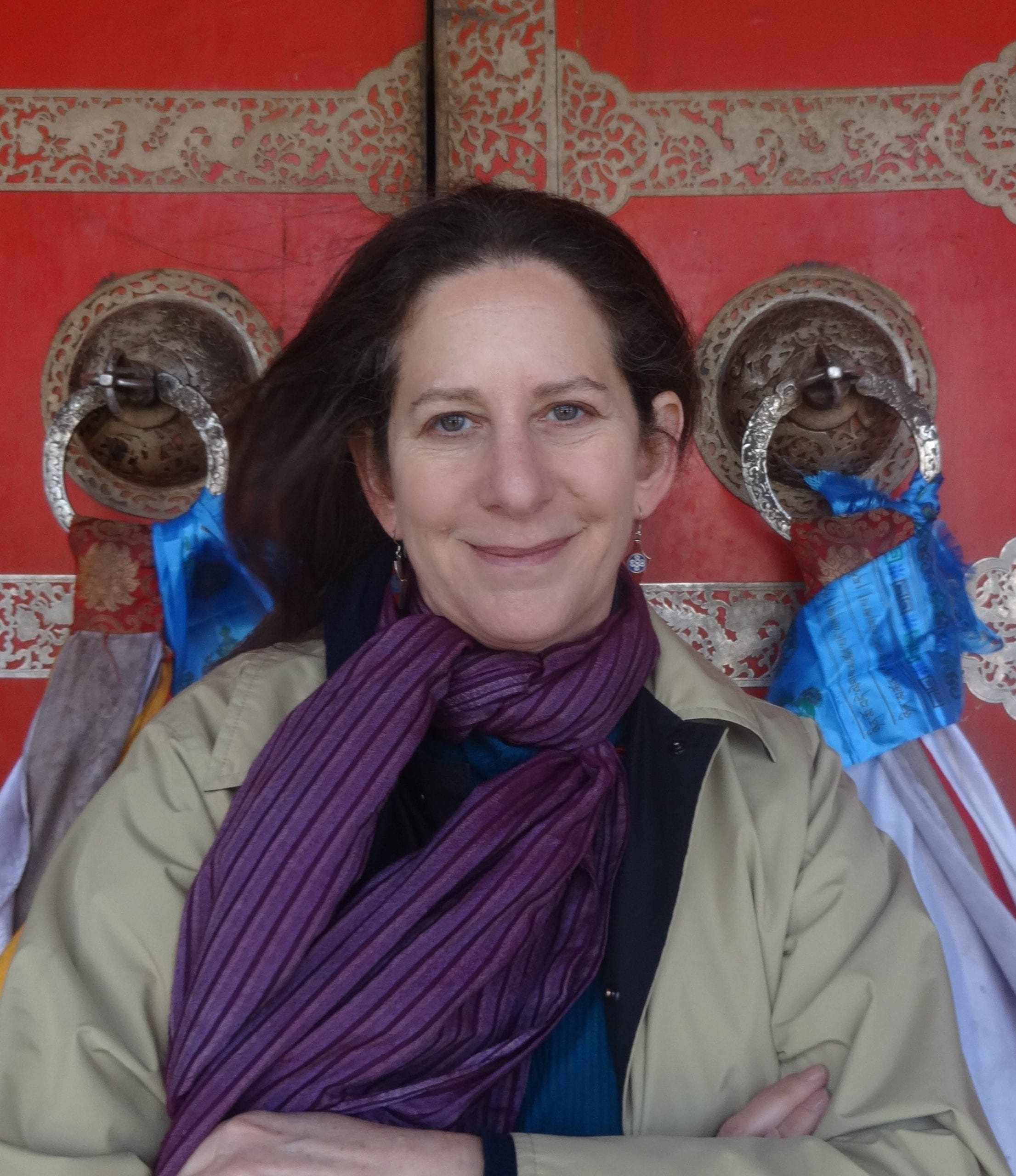
Barbara Demick
American journalist
5
APPEARANCES
4
PODCASTS
Oct 13, 2026

Katrina StricklandMODERATOR
Mm

Barbara DemickGUEST
There was just something implausible about these babies being discarded because it's also a very thrifty recycling culture.
Barbara DemickGUEST
I moved to China in 2007, and this was right before the Beijing Summer Olympics, and it was also the dawning of Chinese social media.
Barbara DemickGUEST
There was, um, something called QQ that was, like, a precursor to WeChat and some of the other, other sites.
Katrina StricklandMODERATOR
[laughs]


Barbara DemickGUEST
But I thought she had been adopted, and I tracked her down through some social media sites for adoptive parents, and these babies were very cute and the parents wanted to boast about them, and so there were a lot of pictures of these girls riding ponies, and in their ballet classes, and in their gymnastics classes.
Barbara DemickGUEST
And anyway, I knew, I knew, you know, when this girl was taken, I knew what she looked like because I met her twin, and I had a pretty good idea of which orphanage had handed her, so I did find her.
6 MINS LATER


Barbara DemickGUEST
This is, the son carries on the family name and conducts rituals at the cemetery, blah, blah, blah.
Barbara DemickGUEST
So they pushed them and pushed them and pushed them, and the, the mom, young mom at the time, hid out actually in a bamboo grove, that's where this comes from, to give birth secretly so nobody would see she was pregnant.

Natasha MitchellHOST
Why do you think right now, if we're thinking about the erosion of truth, is a different or distinct
Barbara DemickGUEST
You know, I teach a... journalism course and I teach a course on actually it's called Covering Repressive Regimes to undergraduates and I always start by saying all regimes are repressive and that all people lie and this is very typical of journalism classes.
Barbara DemickGUEST
They start out interviewing their classmates and then try to figure out where their classmates are lying because we all lie.
Barbara DemickGUEST
But the deliberate assault on the truth, you know, emanating from the Trump administration, I'm not saying Trump is the first president to lie, but the very deliberate lying and the...
10 MINS LATER
Natasha MitchellHOST
So I'm interested in getting a sense of the harms that can happen when the truth is hidden, both to people's own psyches, but also to a whole

speaker_3UNKNOWN
[laughs]
Barbara DemickGUEST
Americans, you know, can be very checked out, and we don't think that they're in the center of the world and they don't need to pay attention, so we have to, to work harder.
Barbara DemickGUEST
But I think in general, I agree with Liz, there's more foreign news is more relevant to people's lives in terms of who their neighbors are, in terms of who the immigrants are, um, in terms of their, their gasoline prices, which is a big issue right now.
Barbara DemickGUEST
I think people are consuming more foreign news, it's just that they're not paying for it.
Barbara DemickGUEST
You know, they're getting it, it's frankly stolen by the social media companies and, you know, they take our stuff.
9 MINS LATER
