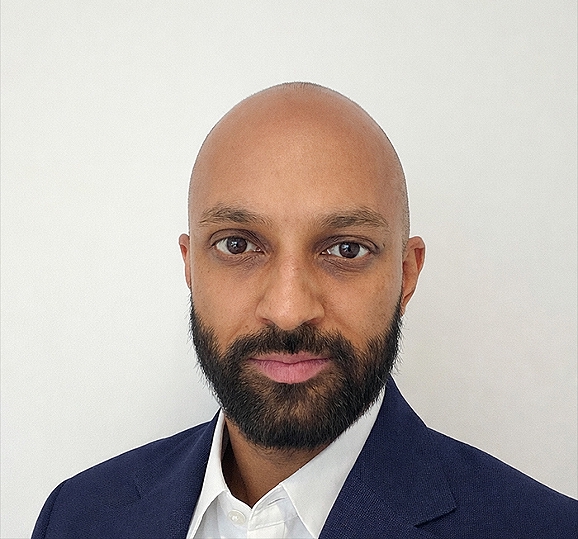
Avtar Benning
Director, AI Assurance at Deloitte | Specializes in trustworthy AI, data, and analytics with 15+ years of experience in financial services.
2
APPEARANCES
1
PODCASTS
Jul 28, 2026


Jenny HaskelHOST
In our episode dedicated to trustworthy AI, Simon McDougall, Chief Strategist for Privacy and AI at ZoomInfo, and Avtar Benning from Deloitte's Trustworthy AI offering, helped us understand why trust and AI isn't as simple as we may want it to be.

Avtar BenningGUEST
I think the challenge is, you know, with these AI models, some of these closed black box models, there's a sort of misconception there that you need to, well, firstly, you can't understand each and every component of those models, sorry, of those systems, but you don't need to understand each and every individual component of these models to gain trust.
Avtar BenningGUEST
You need to be able to understand certain components of these models but enough kind of confidence around reliability, accuracy, so there are a lot of things you could do around the peripherals of these models to gain trust.
Avtar BenningGUEST
It's the classic kind of aeroplane analogy, you know, you don't understand how a jet engine works but you're confident enough to get on an aeroplane and that's because there's a lot of testing that's been performed, there's a lot of controls and risks around it that are well understood.
Avtar BenningGUEST
So I think it sort of comes back down to not necessarily needing to know all the details, but enough confidence that it will perform reliably that gives you

Steph DobbsHOST
How important is it to have an understanding built in of what the agentic workforce is actually up to and how you understand it?
Avtar BenningGUEST
Yeah, I think the agentic problem sort of extrapolates the whole problem by the factor of 10 or more.
Avtar BenningGUEST
We're sort of moving into this task-orientated system to now a goal-orientated system where you have multiple agents all autonomously having the power to make decisions, read, write, access tools.
Avtar BenningGUEST
And so in that world, I've experienced many firms expressing nervousness about letting these agents go loose in their systems without the necessary risks and controls.
Avtar BenningGUEST
But I think part of the answer to that problem is as you say, the auditability, the traceability of these systems.
Avtar BenningGUEST
I think what you really need is a real-time monitoring system in place that enables you to pull out the telemetry of all of the interactions in real time, having in place the right guardrails, risks and controls, that way you're able to at least monitor these actions.
Avtar BenningGUEST
And to the extent possible, I think Safety by design should always be the first principles as well.
5 MINS LATER

Simon McDougallGUEST
but they are now saying, okay, how do we actually have something which encompasses a level of maturity around how we're using AI in the organization? I think the firms that