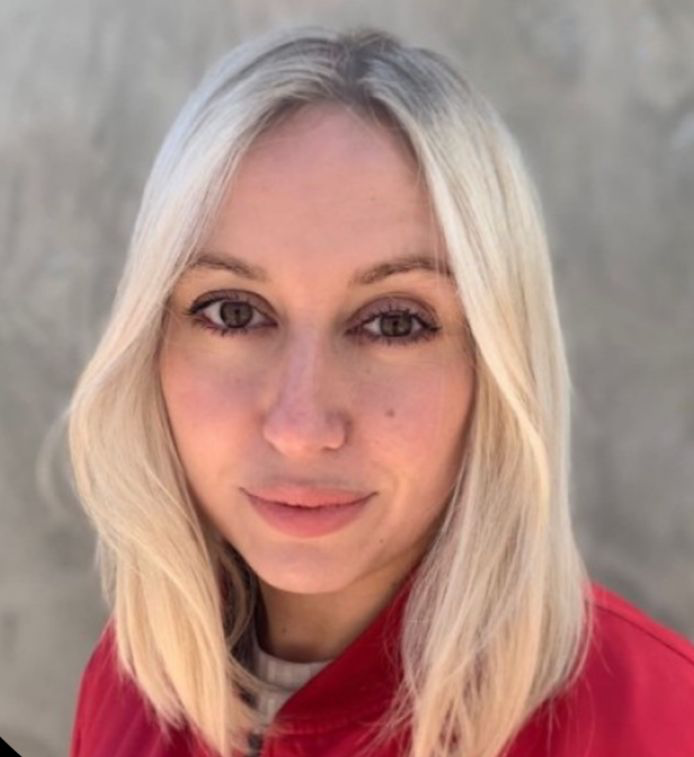
Athena Rayburn
Executive Director of the Association of International Development Agencies (AIDA); former Save the Children advocacy leader.
1
APPEARANCES
1
PODCASTS
Aug 20, 2026


Sara PantulianoHOST
So how can humanitarian organizations balance responding to immediate needs and at the same time also remain honest about the political realities that shape those needs?

Athena RayburnGUEST
I think for humanitarian actors, and this is something we see in a lot of contexts, and I think Dustin alluded to this, but we're constantly now having to do this negotiation between what do we need to do to maintain access, but also when we have a mandate to speak out, and particular in places like Gaza where international presence is so restricted, as we all know, media has been completely restricted from going into Gaza, the responsibility on international organizations and on international staff and presence there to speak out on what is happening i think takes on a sort of greater importance and i think we're all clear for you know for reasons we all understand palestinian voices from gaza from the ground are the ones that should be listened to but in this context the weight and perspectives of international speaking on what they are seeing and what's being experienced has an extreme weight.
Athena RayburnGUEST
So we see a situation where INGOs in particular are weighing up what do we need to do to maintain our access to deliver and save lives, but also we have this responsibility to combat the huge amount of misinformation and be a credible voice speaking on the ground where there are actors that will listen to us that might not necessarily listen to others.
Athena RayburnGUEST
So we are constantly, I think, weighing this very sort of challenging sort of conflict between save lives, but also how do we make sure that we're reporting on what's actually happening and also ensuring that there is respect for international law and making it clear when those violations are happening.
Athena RayburnGUEST
And in the last, I think just over a year, this has been made so explicit by the Israeli authorities that made this new registration system for INGOs that explicitly says, we will let you deliver in Gaza, but you will not speak out on what you're seeing there.
Athena RayburnGUEST
or what they would describe as you will not contribute to the delegitimization, their words, of the state of Israel.
Athena RayburnGUEST
So you now have organizations that are faced with these really tough choices.
13 MINS LATER
Sara PantulianoHOST
Considering this ever-increasing manipulation of aid in Gaza, and particularly also elsewhere, what should humanitarian actors be doing instead?