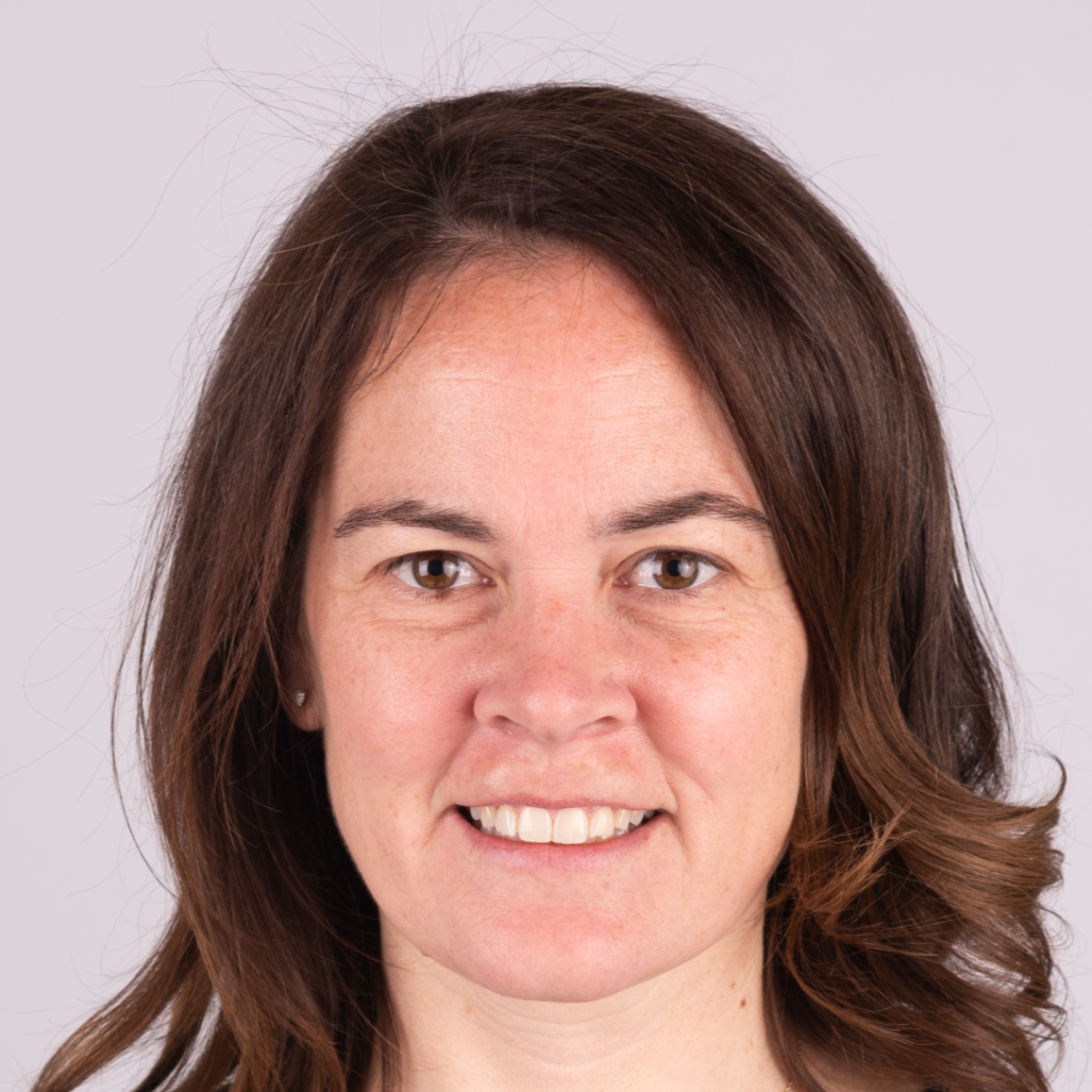
Annie Linskey
Reporter
9
APPEARANCES
6
PODCASTS
Oct 10, 2026


Annie LinskeyGUEST
look at the landscape in Michigan, I mean, Michigan is a state that has been hit hardest by the Trump tariffs.
Annie LinskeyGUEST
So this is a place that was, you know, a swing state that Trump won just, you know, two years ago.
Annie LinskeyGUEST
But this is where Trump's policies have, you know, bled out of Washington and are really hitting home.
Annie LinskeyGUEST
And so if you if you are paying, if you can imagine a five thousand, this is on average five thousand dollar burden per household in Michigan, suddenly it becomes quite, you know, it opens the door for a Democrat, even a Democrat who's You know, views are outside of the mainstream.
9 MINS LATER


Colin ReedHOST
And what was that process like? And how has it been over the past two years? Shall we say more people have perhaps seen things the way your story laid it out?
Annie LinskeyGUEST
My story with my colleague, Siobhan Hughes, we worked together for four months in 2024 to try to get inside what it was like to be with Joe Biden behind closed doors.
9 MINS LATER
Colin ReedHOST
How would you say the mood is within the White House right now regarding the midterms? How clear-eyed are they about the challenges in front of them?


Annie LinskeyGUEST
Certainly companies like Meta, Amazon, Google are companies that have been very eager to show how close they are to Trump, and that has painted a target on them.
Annie LinskeyGUEST
The other category is companies that have a strong tie to Trump or his family members, but also to some of his aides.
Annie LinskeyGUEST
These are companies that have had big investments from Steve Witkoff's family or from the Lutnick children.
Annie LinskeyGUEST
Now, it's unclear, of course, what Democrats will do if they take the House back, but those are places where there is some nervousness.


Annie LinskeyGUEST
Yeah, at the Wall Street Journal, we, um, took a, a deep dive to look at how exactly President Trump has managed to raise s- really sort of draw- jaw-dropping amounts of money, um, uh, checks that are this, y- eight-figure checks, so tens of millions of dollars from companies for, um, his projects that he's launched in DC, um, and also his political committees.
Annie LinskeyGUEST
Um, and what we found is there's a very aggressive fundraising operation around that.
Annie LinskeyGUEST
We, um, wrote a lot about his head fundraiser, Meredith O'Rourke, who, um, at his behest, will call companies and ask for $50 million checks, $25 million checks, um, to support, uh, various projects that the president is, um, i- i- is behind.
Annie LinskeyGUEST
Well, the thing about this White House, um, is the president has concentrated power in an unprecedented way in the Oval Office.
Annie LinskeyGUEST
So, um, w- the Wall Street Journal has written extensively about how inde- agencies that were previously considered sort of independent agencies that would come to their own conclusions on really important regulatory matters that impact Wall Street, instead, that power is being centered in the White House, whether this is the FDA, whether it's the FTC, um, the Department of Justice.
Annie LinskeyGUEST
A lot of those sorts of decisions that, um, really matter to companies, uh, is, I- in, in Trump's hands.

Luke VargasHOST
And a few other areas where it sounds like the US has made an announcement, but we haven't gotten confirmation of that from the Chinese side, for instance, buying more US oil.
Annie LinskeyGUEST
Yes, that was something that the, a White House official and then later the president confirmed, that there are talks about the Chinese increasing their purchasing of US oil, as one White House official put it, to be less dependent on the Strait of Hormuz.
Annie LinskeyGUEST
That sends a signal to Tehran that the Chinese are impatient with the closure of the strait and looking to put their money elsewhere.
Annie LinskeyGUEST
Iran is a war that Trump had hoped to be settled before this summit, and in fact delayed the summit by about six weeks, believing that it would be finished by now, yet he came and landed in Beijing, and the strait remains closed.
Annie LinskeyGUEST
So these two leaders did end up having some conversations about how to resolve that conflict, and President Trump summarized their conversation saying that the Chinese believe the strait should be opened, believe that the Iranians should not be tolling the strait, and that the Iranians should not have a nuclear weapon.
Annie LinskeyGUEST
These are the two leaders of the two largest and most powerful countries on the planet, and the kinda overarching purpose of these two days of meetings was to show the world that these two leaders can work together and have a working relationship even as the two countries are at times en- enmeshed in a rivalry that can get quite testy and tense and heated.
Annie LinskeyGUEST
I mean, he, he didn't o- order the bombing purely thinking that, that the strait wouldn't close.
Annie LinskeyGUEST
There was an awareness that the strait would close, but I think, um, the other part that was interesting is they, there, there wasn't as much of an awareness that the strait would close so fast, that, that boats would, um, be so easily coerced into not passing through because there wasn't some big battle for the Strait of Hormuz.
Annie LinskeyGUEST
Um, you know, the Iran- the Iranians said, "We're gonna, we're gonna shoot do- we're gonna sink any boat that goes through," and companies said, "Okay, we w- we will stop sending our boats through." And so th- there was a disconnect there also with, um, people, uh, advising the president, people who are around, around the president.
8 MINS LATER


Katty KayGUEST
So how much, I mean, how much is it the president just launching things and how much is it the national security team actually running the operation in the White House?
Annie LinskeyGUEST
Those, those tweets, um, or I should say those Truth Social posts, um, that took so many people off guard, uh, who woke up and, and read them about ending a civilization, saying praise be to Allah, um, on Easter Sunday of all days, th- those were not tweets that he had even sort of chatted with his national security team about.
Annie LinskeyGUEST
Um, the president did ask his staff about those tweets and said, "How, how are they playing? What ...
Annie LinskeyGUEST
You're, you're facing quite a bit of criticism for them." Um, some of his members of his national security team read them and saw ...

Jonathan LemireGUEST
Trump may need to escalate further and actually to get this war to close if it can't be done at a negotiating table in Islamabad in the next couple of days.


Amy WalterHOST
So does this mean he can actually do that pivot thing that [chuckles] we keep waiting for?
Annie LinskeyGUEST
You know, if you kind of go back, this is really important when you look at this president.
Annie LinskeyGUEST
I mean, he is a president who, um, you know, unlike sort of any other, at least in, in modern his- well, in the, in this century, let's say, um, who, who is just like very much it's like his personality embodies the presidency.
Annie LinskeyGUEST
Not everything, but a lot of it really is coming, emanating r- directly from him.
20 MINS LATER
Annie LinskeyGUEST
The story that we did details how the children of President Trump and also of Commerce Secretary Lutnick are both positioning themselves in different ways to benefit from policy changes that their parents are doing to the pharmaceutical industry.
Annie LinskeyGUEST
President Trump, his son, Donald Trump Jr., is on the board of Blink Rx, and this company helps pharmaceutical companies set up direct-to-consumer sales.
Annie LinskeyGUEST
Pharmaceutical companies are in the business of research and development, creating drugs, and they don't all sell directly to consumers.
Annie LinskeyGUEST
But President Trump has been very clear that he wants that to change, and he wants these pharmaceutical companies to offer this ability.
Annie LinskeyGUEST
And in comes Blink Rx, which is the company Donald Trump Jr. is on the board of.
Annie LinskeyGUEST
They do that service, and they have been pitching it to various pharmaceutical companies.