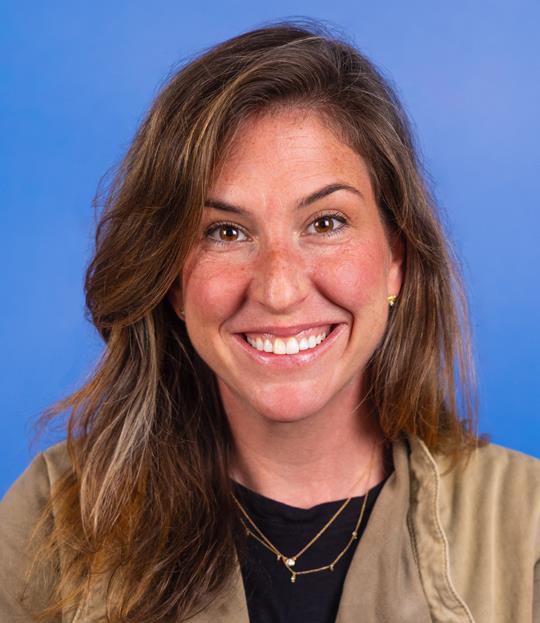
Annie Helms
Developmental pediatrician at Children's Hospital Colorado specializing in early child development and behavioral pediatrics.
1
APPEARANCES
1
PODCASTS
Jul 21, 2026

David BrumbaughHOST
Uh, as you think about patients that you've seen over your career and families, what are some misconceptions that families sometimes have about early development and what they should or shouldn't be doing?

Annie HelmsGUEST
I think some of the things we've seen is that families a lot of times think they need things they don't have, or they need things on an iPad to teach their child.
Annie HelmsGUEST
Um, and I think when we really break it down, families that are coming in after having just had a baby Are overwhelmed, are tired.
Annie HelmsGUEST
And so the first thing I typically say to families is, particularly when you recognize that they seem a little bit overwhelmed and stressed, um, is that we need mom and dad to be able to take care of themselves so they can best take care of baby.
Annie HelmsGUEST
Um, they need to sleep, they need to eat so they can take care of baby, and then, and then having the support to be able to, um, let the baby be in the environment, and then respond to their cues.
Annie HelmsGUEST
Um, and I think a lot of times families, you know, say things like, "Well, I'm not sure.
Annie HelmsGUEST
Are they this? Are they that? Are they tired? Are they hungry when they're crying?" And I think just responding to the crying is really all they need to do at first.
18 MINS LATER
David BrumbaughHOST
But how are you guys navigating that in your advice you're giving to families and kids that have experienced it, uh, you know, just by virtue of their medical conditions?