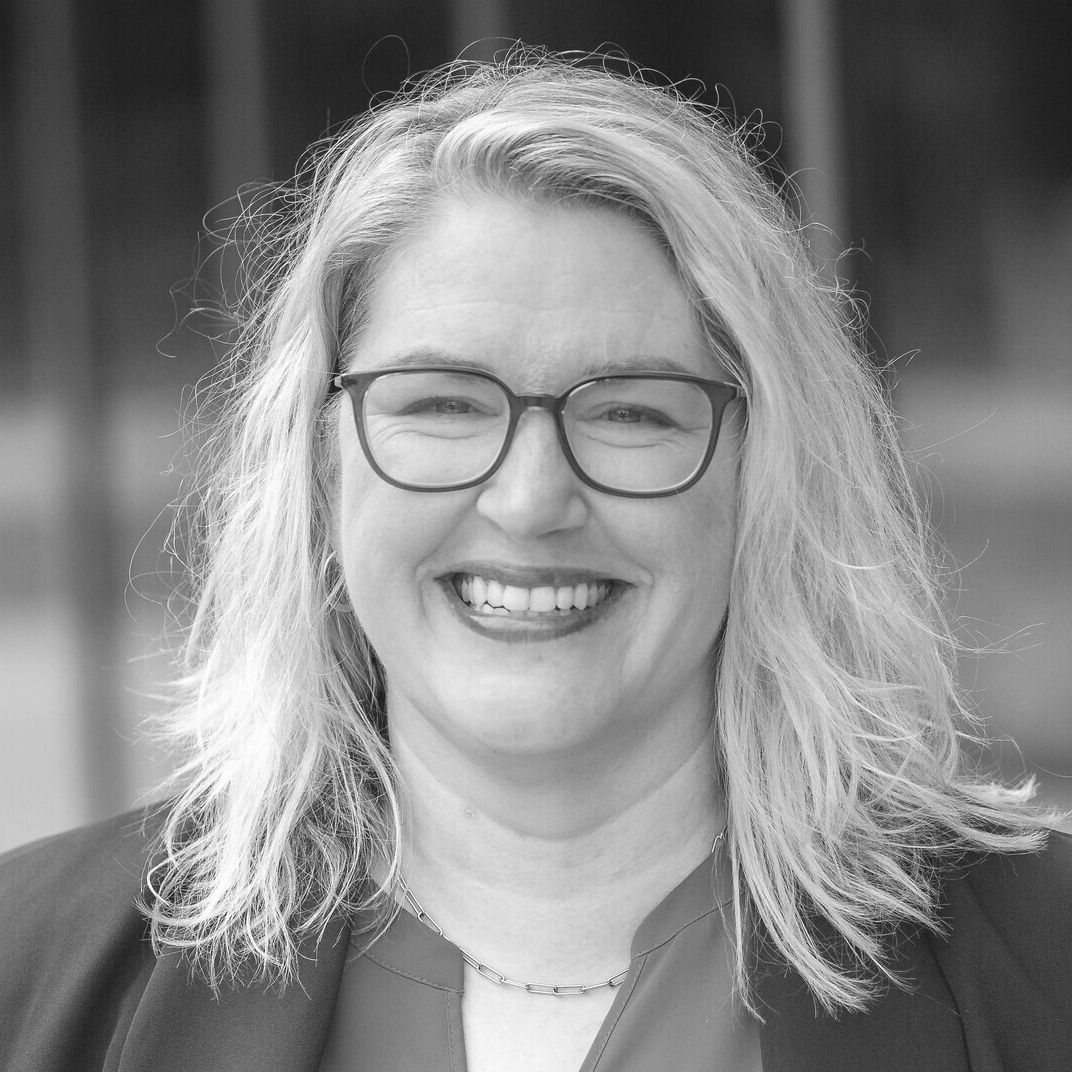
Anne Mushow
CEO of Subeca, a smart water-metering company, formerly an operations leader at Amazon Web Services and VP of Operations at Xylem/Sensus.
1
APPEARANCES
1
PODCASTS
Sep 2, 2026


Anne MushowGUEST
So I think what becomes really important when you're looking at the abilities of AI is the fundamentals are what is the data that is available to make the AI actually effective and usable.
Anne MushowGUEST
And there are lots of software solutions out there that folks are building for the water industry.
Anne MushowGUEST
But what they keep banging their head against is that the fundamental water data, how much usage and the granularity of that data is highly limited.
Anne MushowGUEST
And that's because the water utility industry remains trapped in 100 year old technology where you have to put eyes on a meter to collect a reading, which means you probably only do that once a month or maybe once a quarter.
Anne MushowGUEST
And so identifying leaks or understanding usage patterns Understanding non-revenue water just becomes that much harder when the data granularity isn't there.

Roland SiebelinkHOST
So what does that mean? Like, how many people do you have on your team? What are their roles? And, you know, if we had to compare this to a company maybe started five years ago, how big would the company have been in comparison? Like, what are the roles that they're able to replace with call it AI agents today?