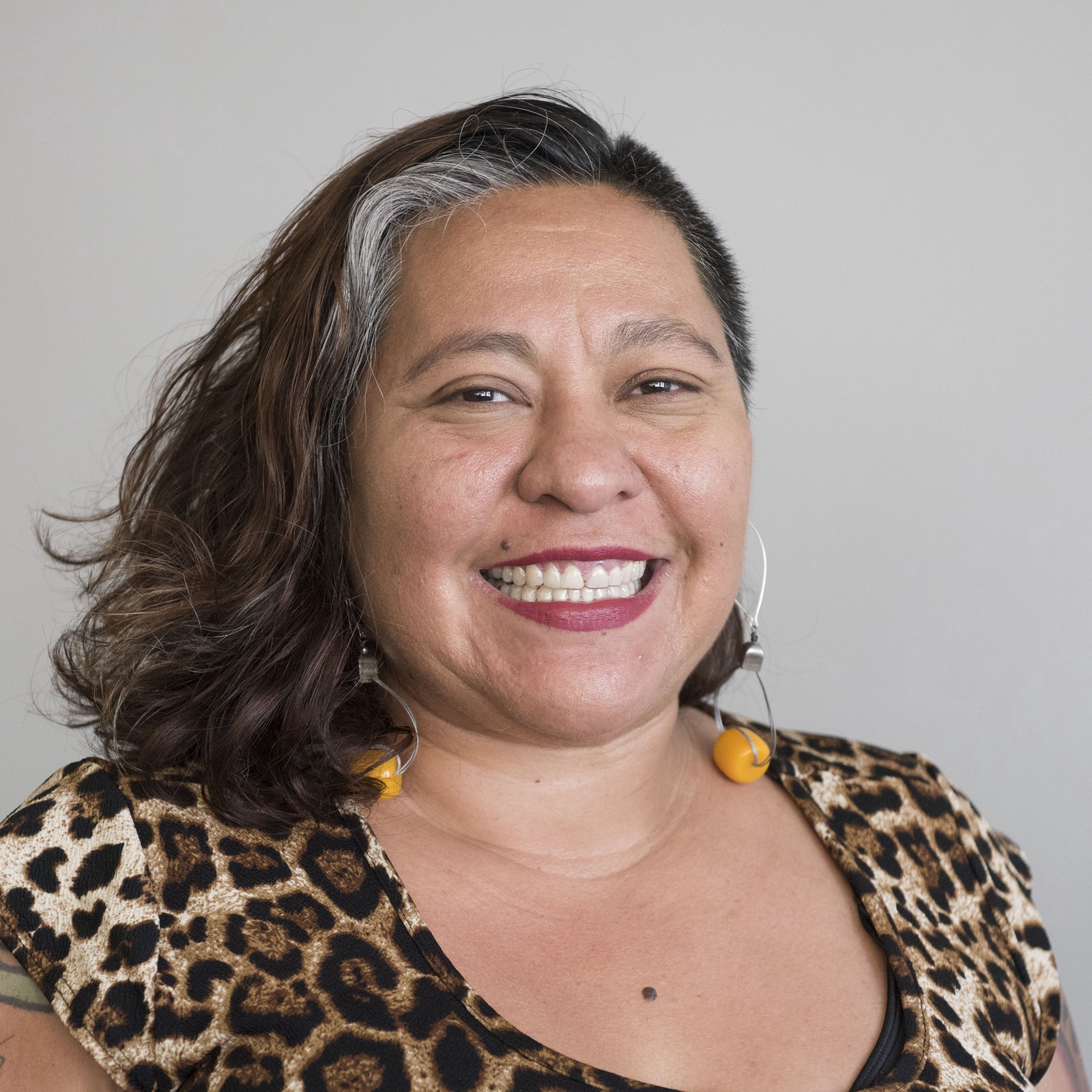
Anita Tijerina Revilla
Professor and Chair of Chicana/o and Latina/o Studies at California State University, Los Angeles; Muxerista and Jotería activist-scholar specializing in Chicana/Latina feminism, queer studies, and student activism.
1
APPEARANCES
1
PODCASTS
Jun 21, 2026

Irina BarreraSOUNDBITE_SPEAKER
and
8:16

instead we use terminology that looks at the structural inequalities that have led students to make the decision to leave.
8:23
So when a student leaves school we don't call them a dropout, we call them a push out because we do believe that many of them have visions and dreams of completing their education but along the line from elementary school to middle school to high school, especially marginalized students living in poverty, immigrant students, queer and trans students.
8:49
A lot of these students and undocumented students, they have experienced so much trauma by the time they even get to fifth grade, or by the time they get to sixth grade, many of those students are thinking about leaving the school system.
9:04
So that cultural, social reproduction where it was never people's intention to get working class and poor people into professional and higher education spaces, right? And so I think what we're trying to do is bring light to the fact that these are things that have been taking place for centuries, and they're even more impacting the more marginalized your social categories and social identities are in this society.
9:33
And so we're trying to bring light to the specific way that it impacts Latinos and Latinas and Chicanos and Chicanas in this country.
9:42
And again, one of my things that I like to focus on is how it impacts immigrant students, feminist, you know, queer and women, queer, trans and women students, because oftentimes those are the students who are at the forefront of the activism, right? The student activism that has led to some of the changes that are happening today.
12:58

It's my fault that I didn't really resist all this, these things that are around me.