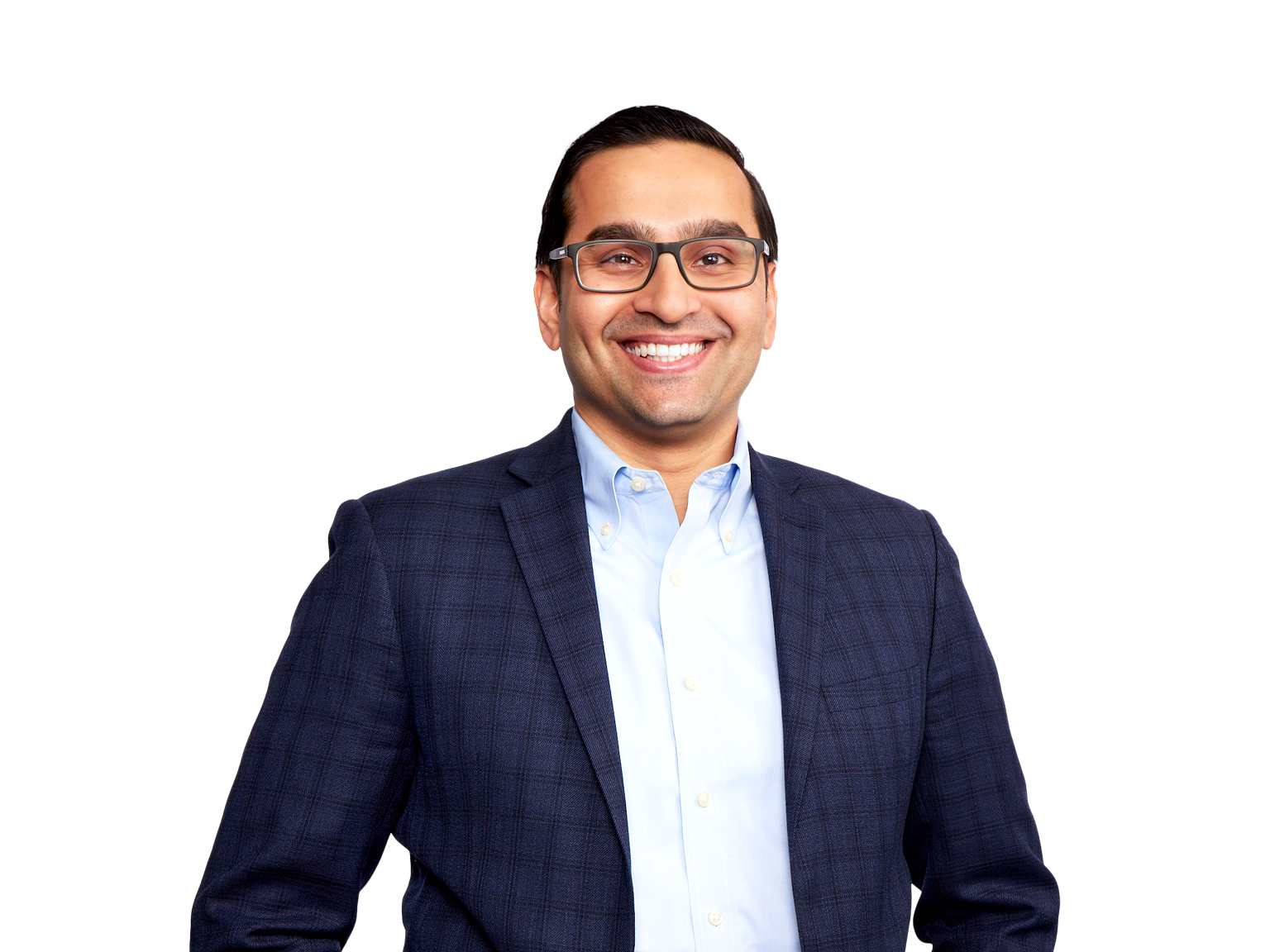
Ani Kelkar
2
APPEARANCES
2
PODCASTS
Oct 1, 2026


Ani KelkarGUEST
I think the robot sort of Olympics or games are a, a key way to inspire the community.
Ani KelkarGUEST
I think behind the scenes, the fundamental shift is moving from pre-programmed automation To more adaptable intelligent systems.
Ani KelkarGUEST
So if you think of traditional robots, and we've had them for fifty years, they're extraordinary at repeating trajectories in controlled environments.
Ani KelkarGUEST
If I know exactly where the part will arrive, in what orientation, and what exact motion the robot needs to execute, we've been automating that for decades, right? What is different is when the machine starts sensing what is happening around it, it interprets that information, figures out what needs to be done, what path it needs to follow, and then is actually able to act in the physical world and increasingly sort of almost anticipate what will happen next.
Ani KelkarGUEST
We anticipate, you know, if I reach for a cup and discover it is heavier than what I thought it needs to be, I change my grip.
8 MINS LATER

Jonah BlissHOST
I remember a Goldman Sachs report from 2013 that said basically by now we'd all 100% be driving AVs, right? And I look outside the window, I still see plenty of regular gas-powered cars with seemingly a driver in the front of them, right? So what's different now?
Ani KelkarGUEST
Yeah, I think oftentimes, you know, we tend to both or call a trend when we're making predictions far before technology is ready.
Ani KelkarGUEST
And then we under call the trend once the technology is ready and how quickly uptake happens.
Ani KelkarGUEST
I think the lens to apply here for us is preference for personal car was really driven by a rational need for that was the most attractive mobility option on a total cost of ownership perspective.
Ani KelkarGUEST
because you had the optionality of different market segments for different consumers, right? So if you had a different sort of wage level, you had the option of purchasing used cars.
7 MINS LATER
Jonah BlissHOST
What are the sort of, you know, preparations that cities, DOTs, states need to be making now to get ahead of that?